My earliest impressionable memory of fire was in its ceremonial form. Every Friday my mother would light candles in large, ornate silver candlesticks, wave her hands around the flames as though to gather their power to her soul, and say a prayer at the onset of the Sabbath.
The fine food that followed had also been prepared by fire, and the warmth of our home in winter came from “electric fires.” At the end of the evening, she would blow out the candles, leaving reduced columns of dripping wax and thin ribbons of white smoke from blackened wicks.
Each week the cycle would repeat itself: fire for ceremony, for food, for heat, for destruction, for renewal.
Creating fire, containing fire and employing fire have been congruent with the development of civilization from the earliest domestication of fire, through agrarianism, industrialization and to the present highly technological world.
We are so dependent upon fire for heat and light, for preparation of food, for manufacture, for craft, for ceremony, and for war, that we both take it for granted yet fear its effects on both nature and the human environment.
For a century we have worked so prodigiously to prevent forest fires that the buildup of fuel on forest floors has reached the most dangerous levels, ensuring great heat and destruction when fire breaks out. The global warming brought about by our civilization’s profligate use of fossil fuel energy has made large-scale destructive fires an annual event in both our cities and our wilderness.
Vulcan is the ancient Roman god of fire in its destructive aspect. His temples were prudently located outside cities. On Sunday, October 20, 1991, he seemed not to be so constrained by geographical exclusion.
The day dawned unseasonably hot, with dry winds gusting westward from the interior of California. By mid-morning, a brush fire in the Oakland hills was causing some concern. Within an hour the concern had changed to alarm, and an hour later to panic. Residents were encouraged to evacuate. A constant wail of sirens indicated fire engines streaming into the area from other jurisdictions to supplement the inadequate local firefighting capacity.
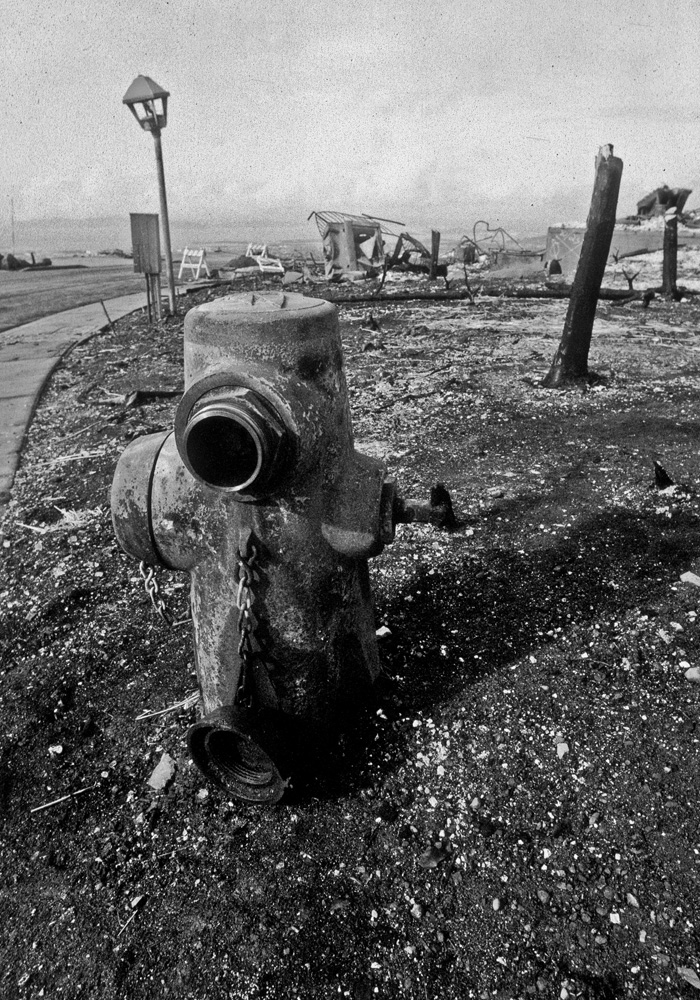
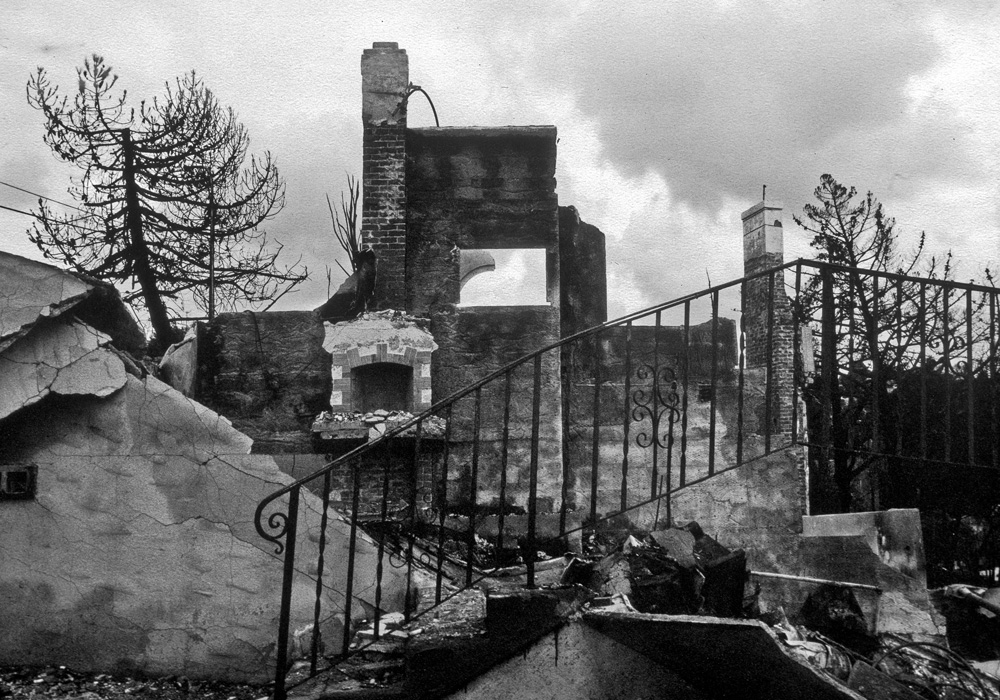
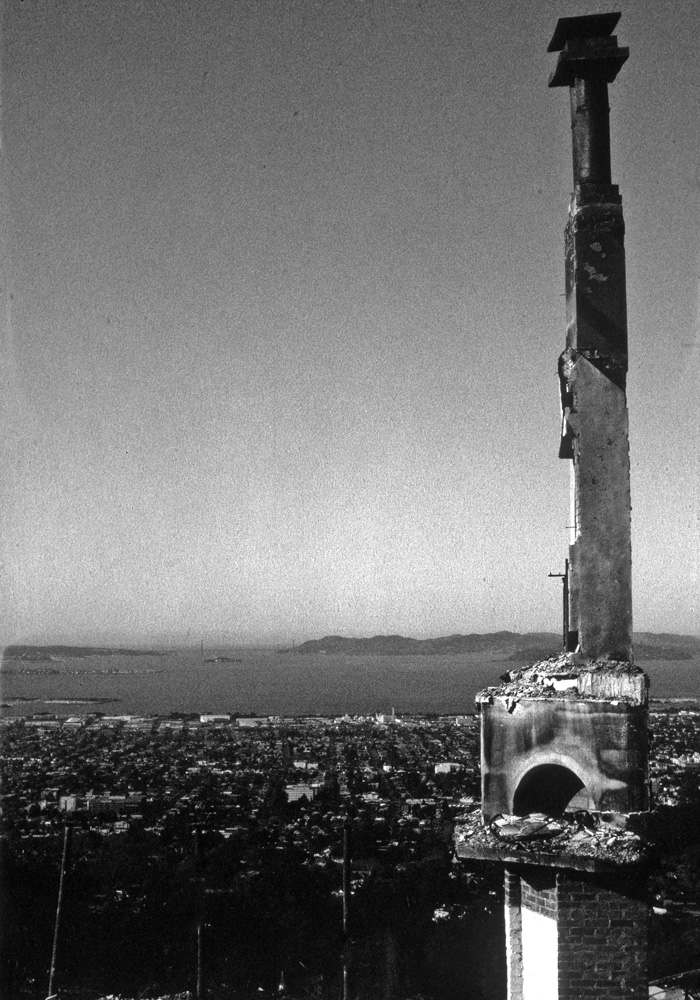
By the next morning, the full impact of the blaze was hardly credible: three thousand homes stretching along the spine of the Berkeley-Oakland Hills had been destroyed, and twenty-five people had died of burns or smoke inhalation.
A friend at the University of Paris once called California “the new world of the new world.” It is not a place that values ruins. I knew that within weeks the bulldozers would arrive, followed by architects and contractors.
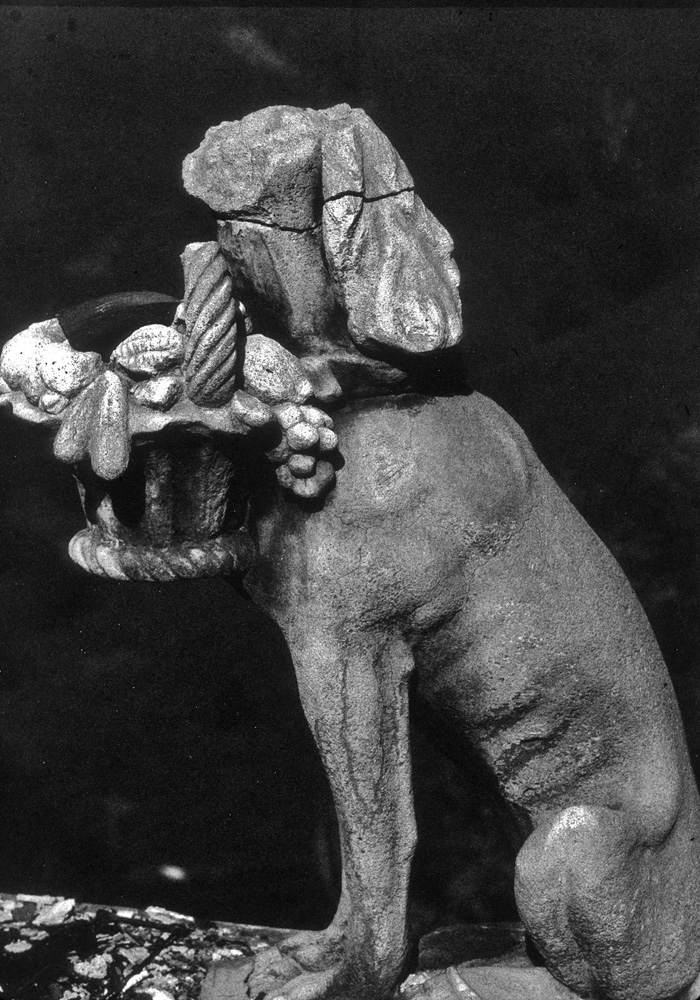
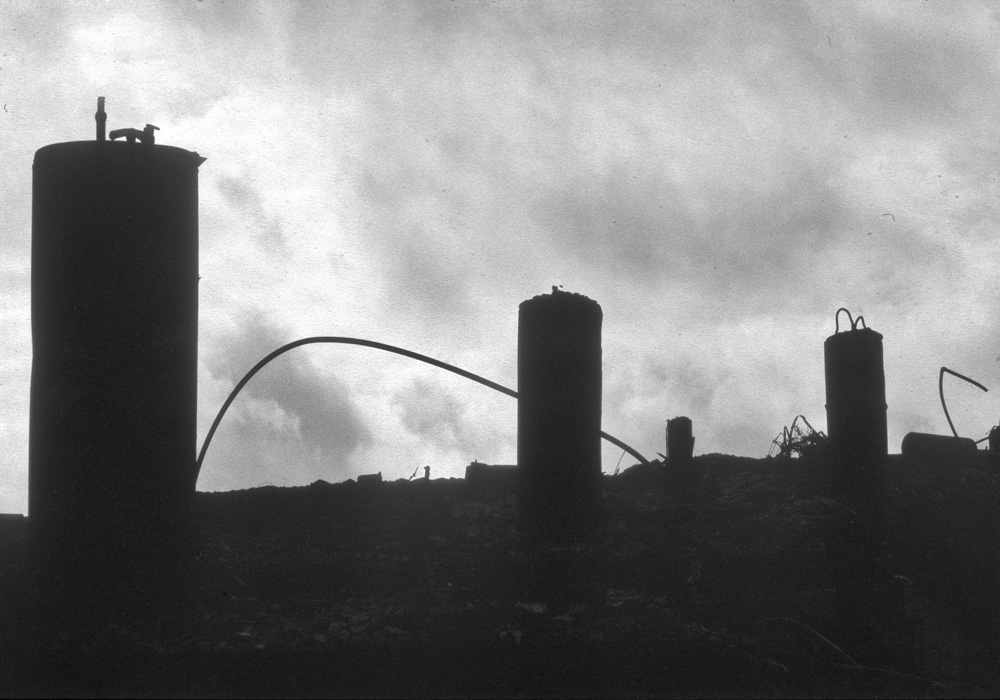
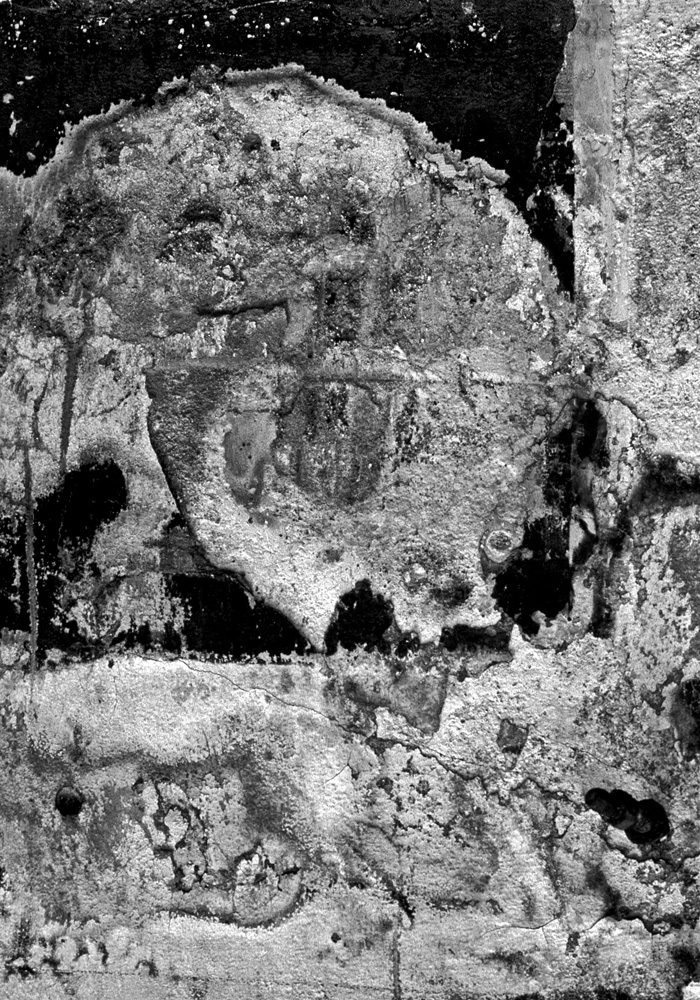
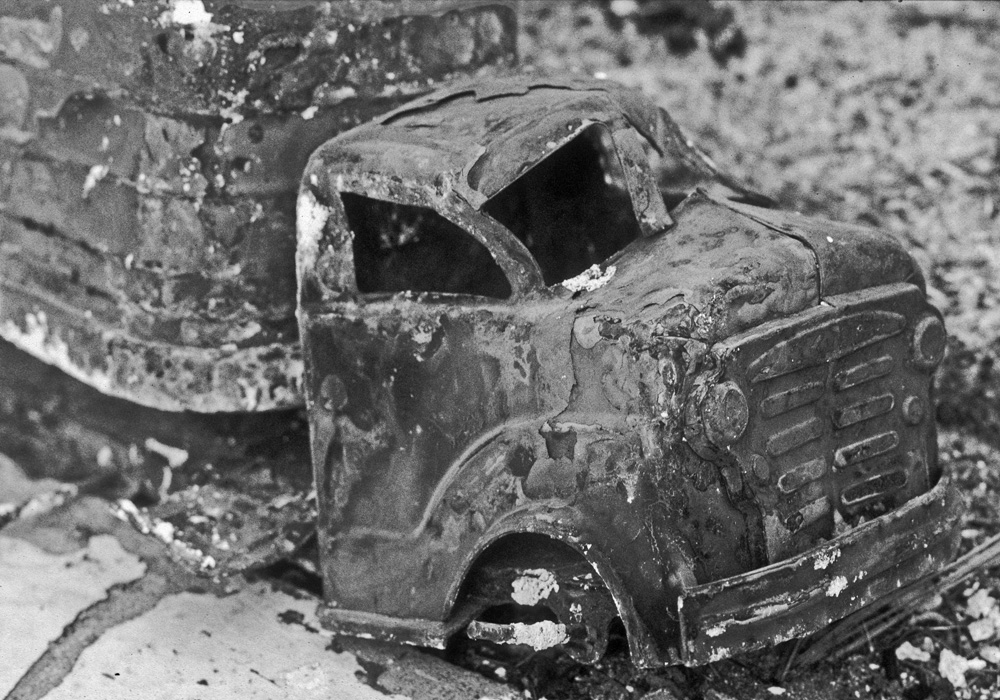
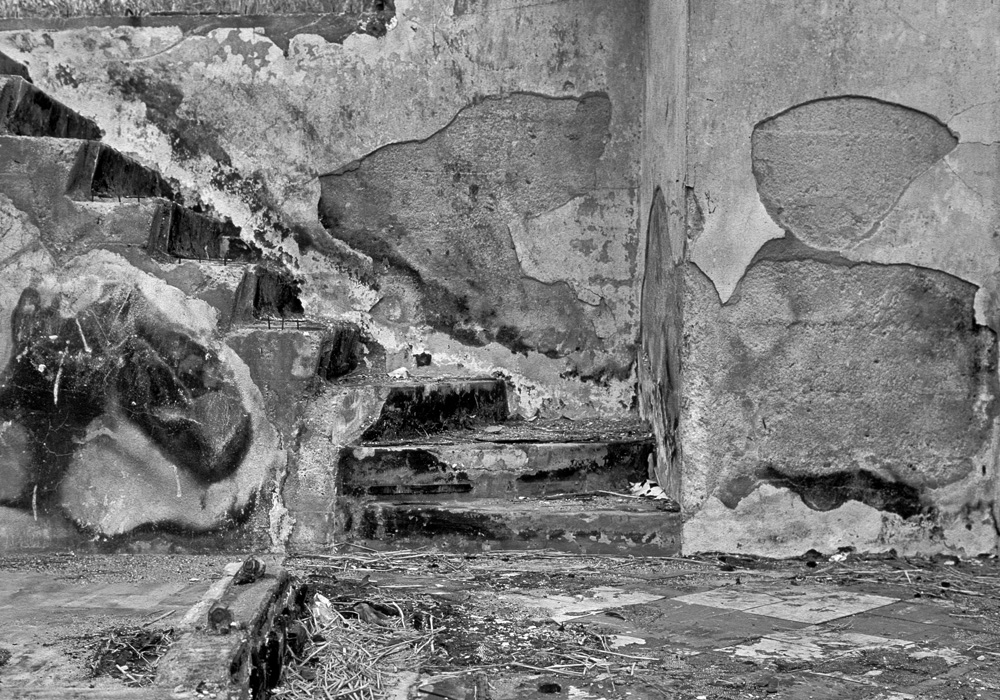
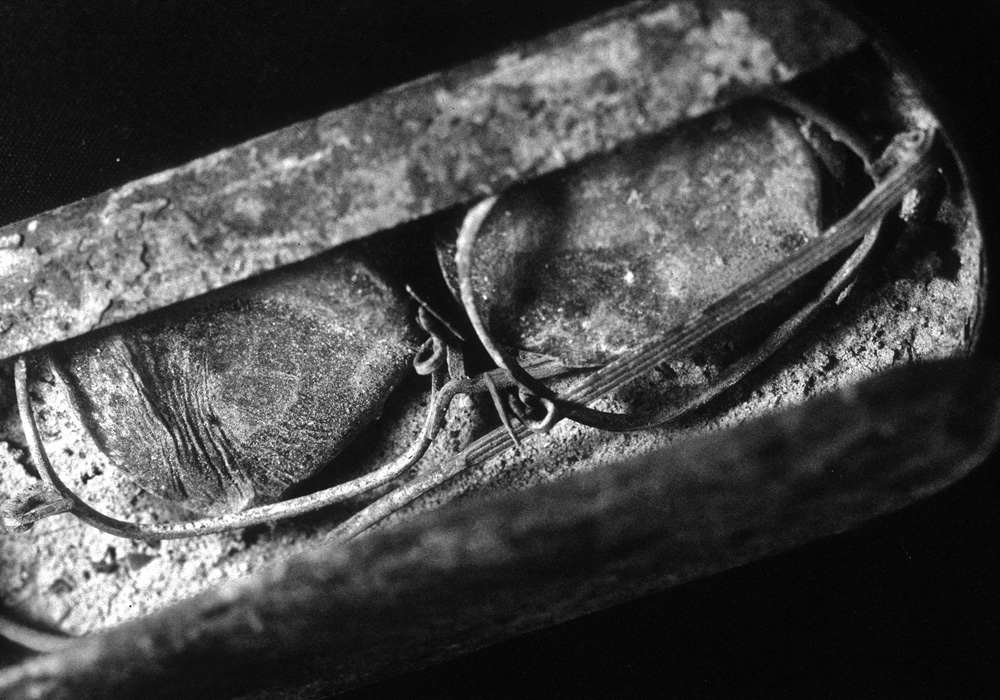
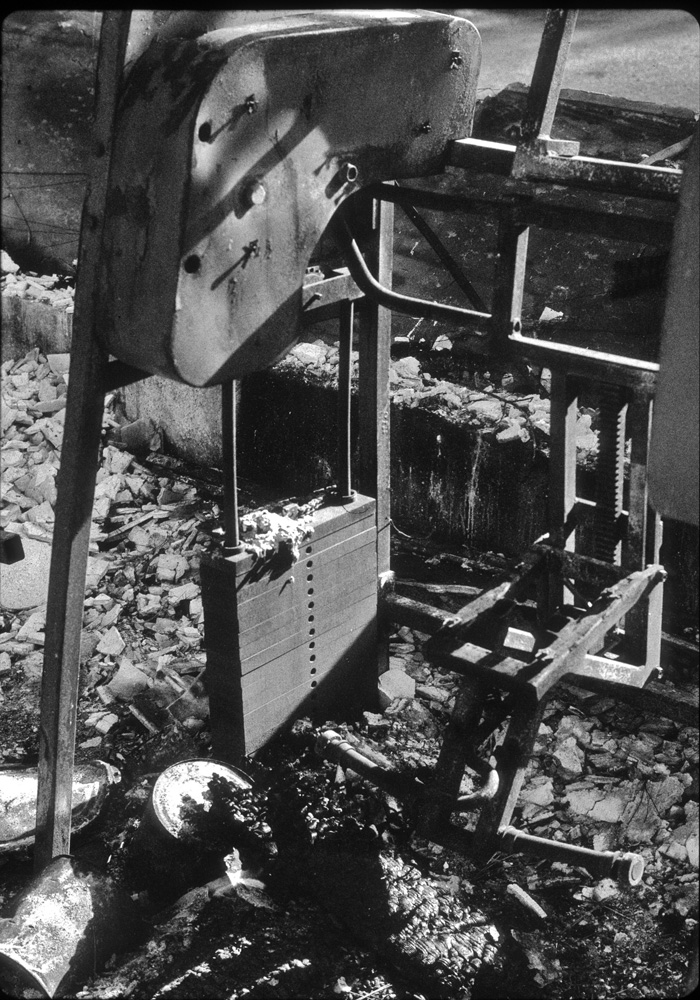
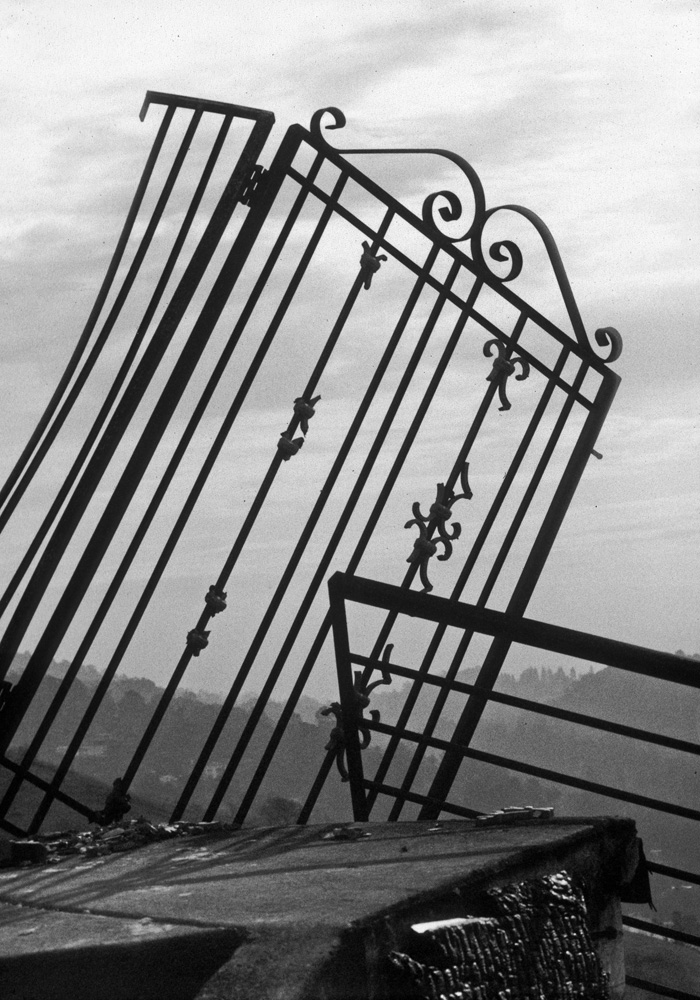
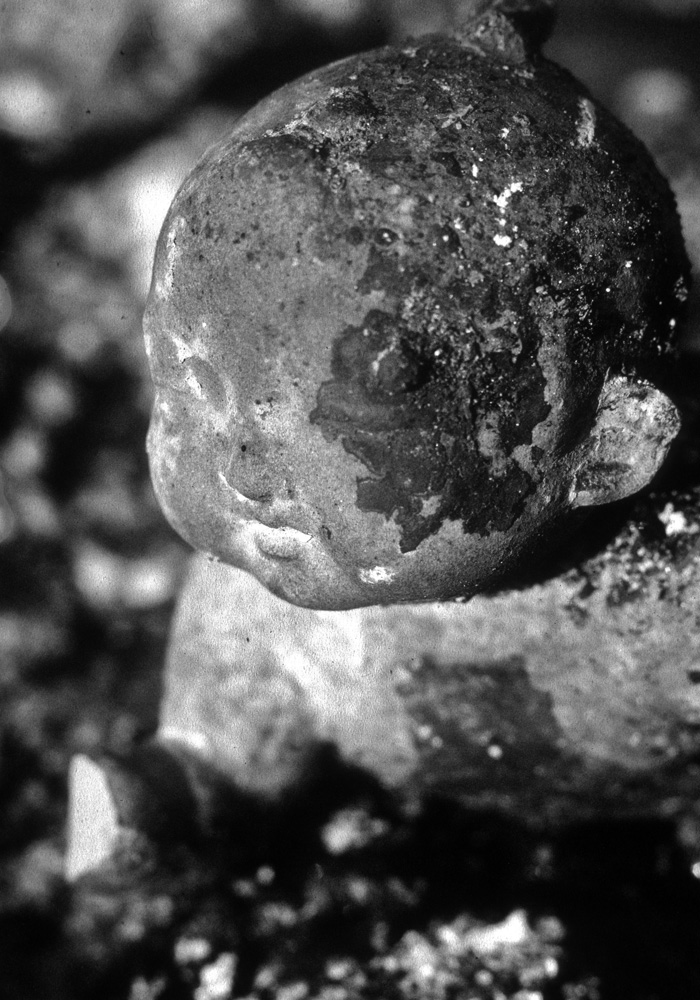
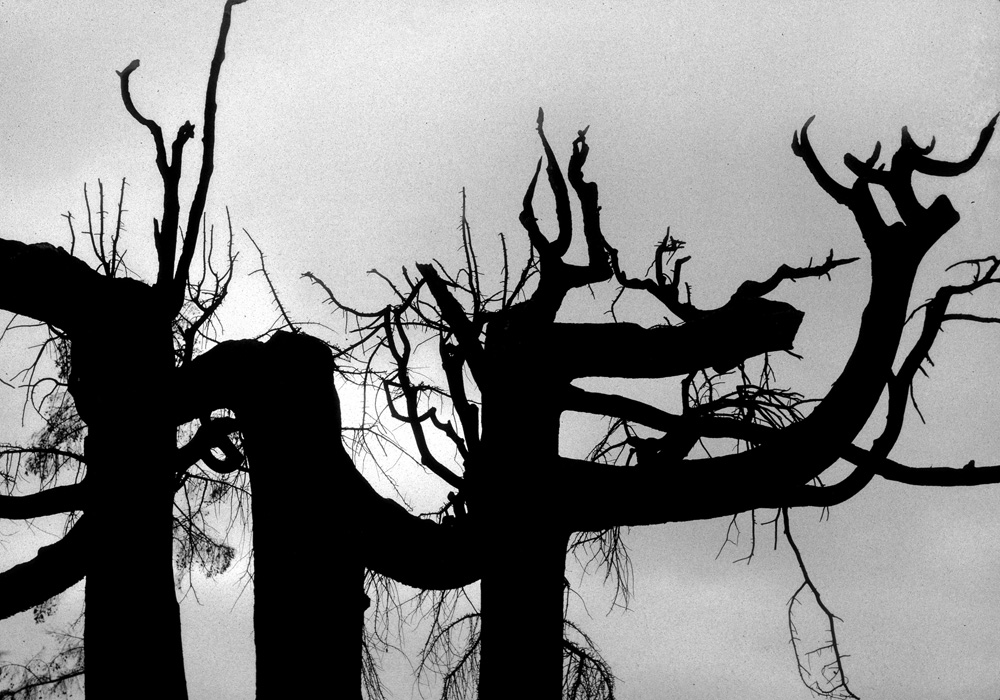
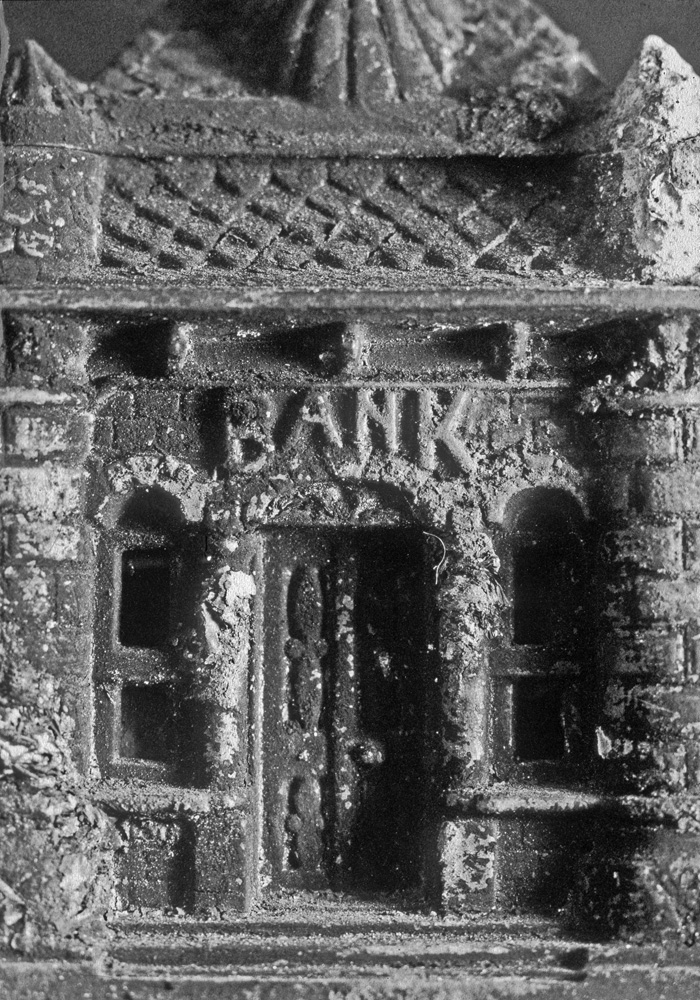
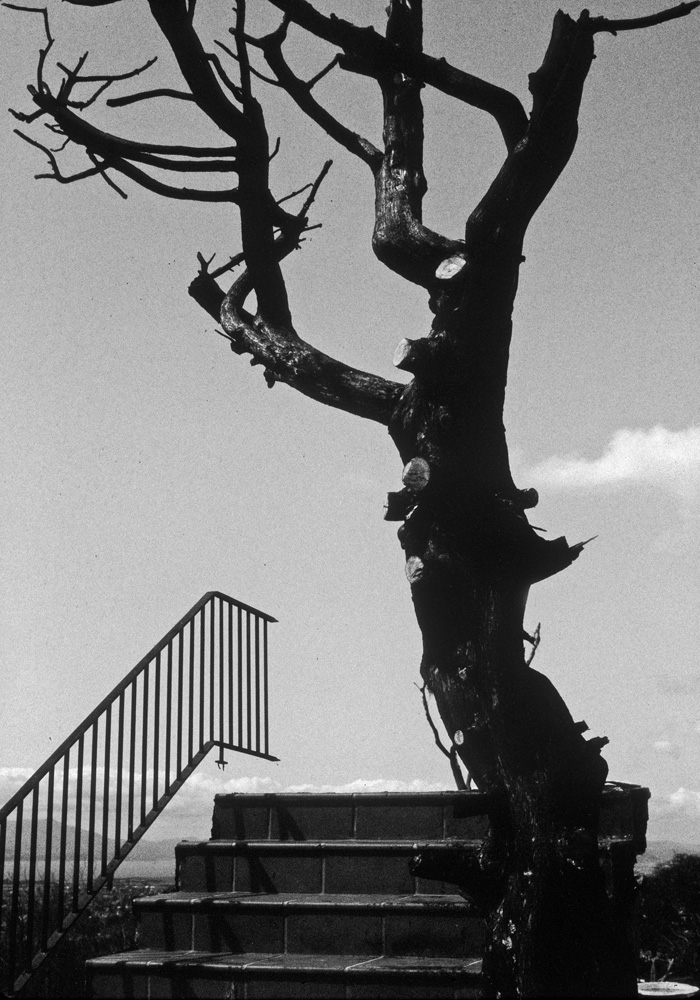
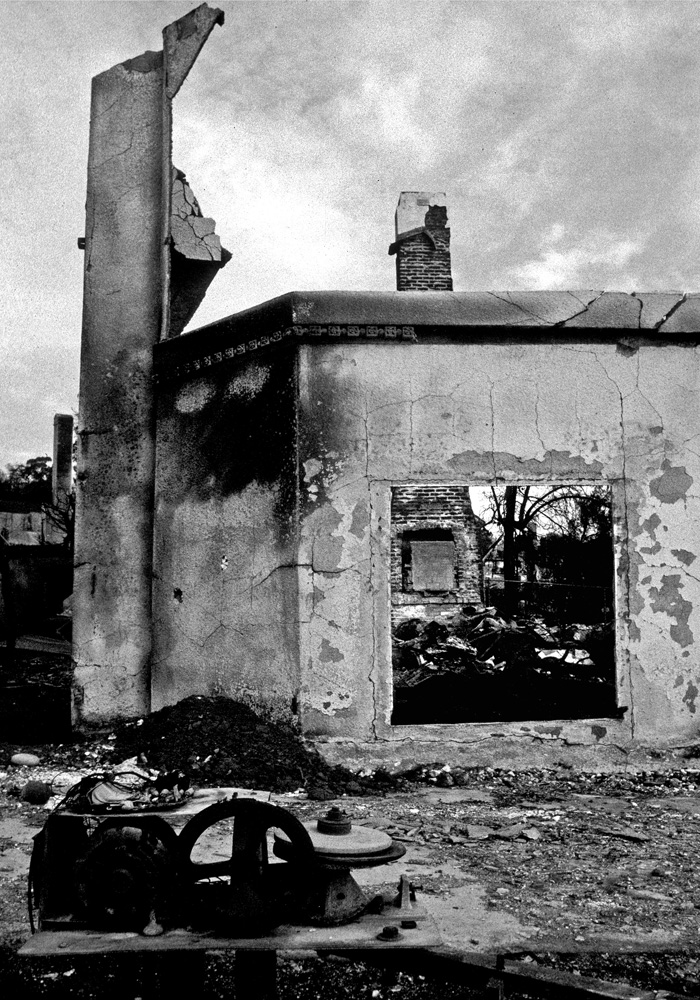
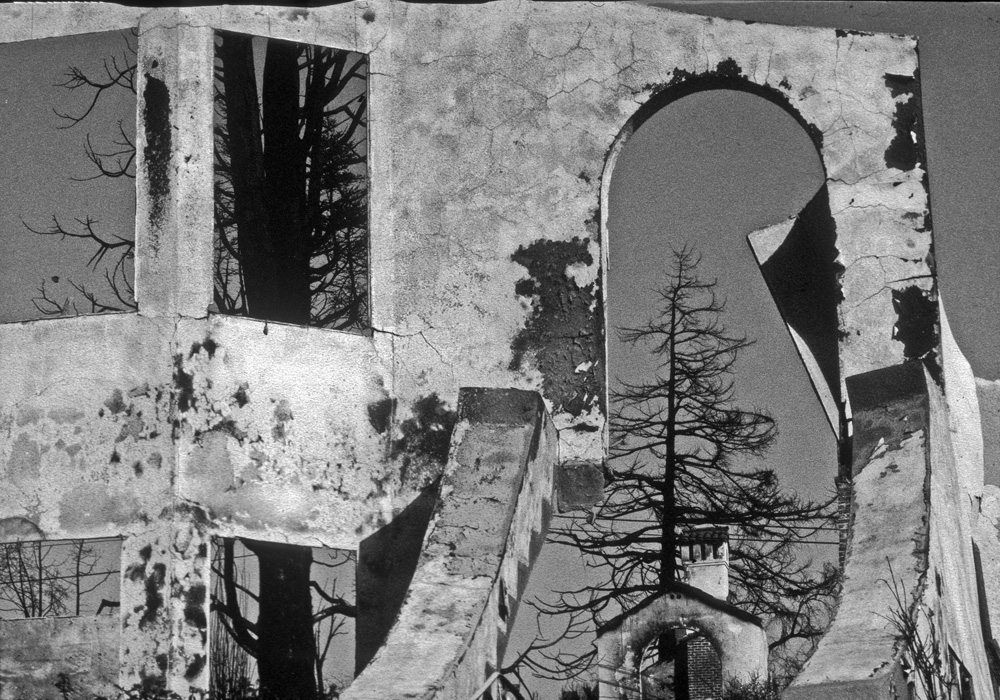
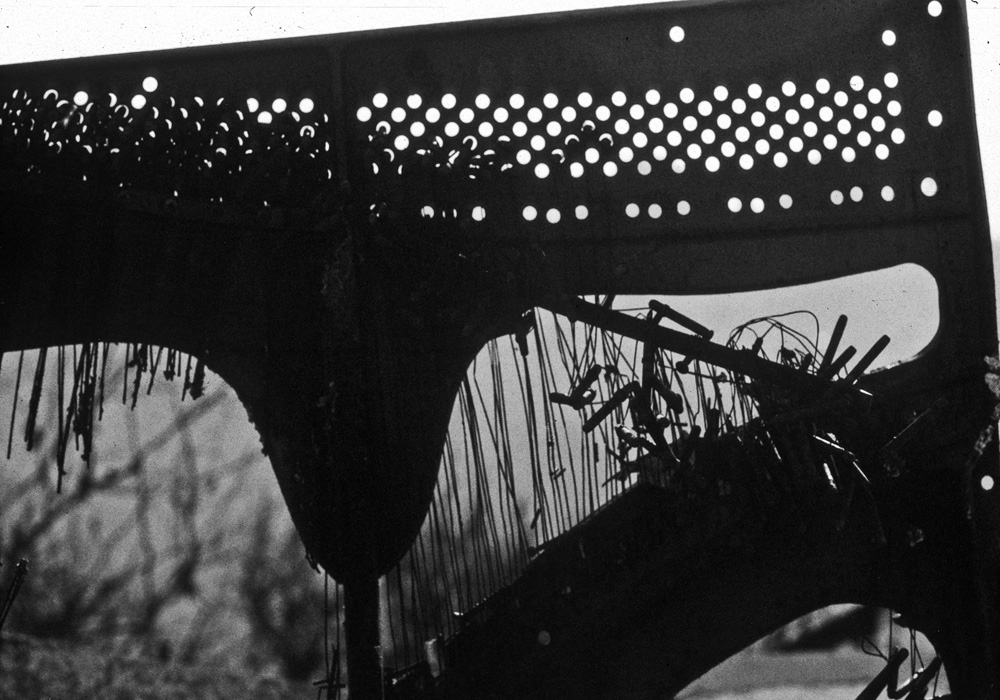
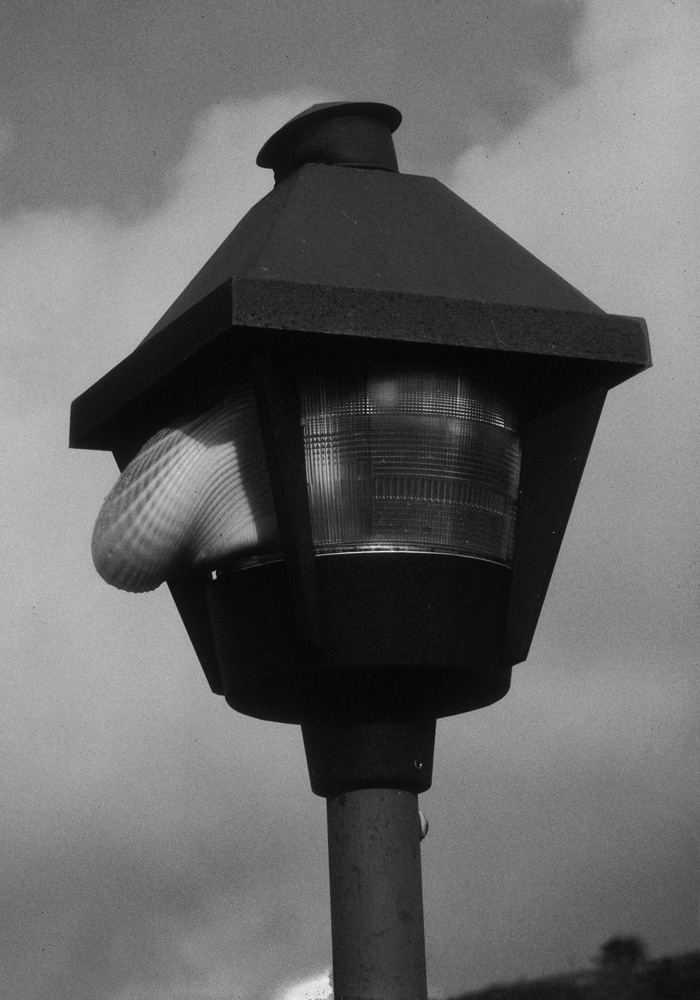
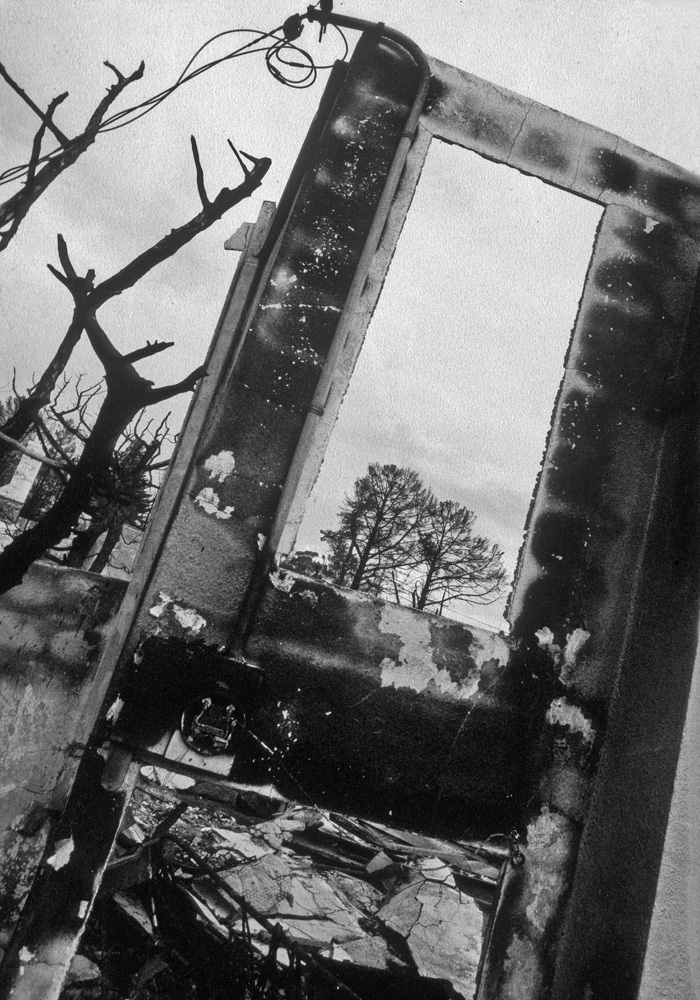
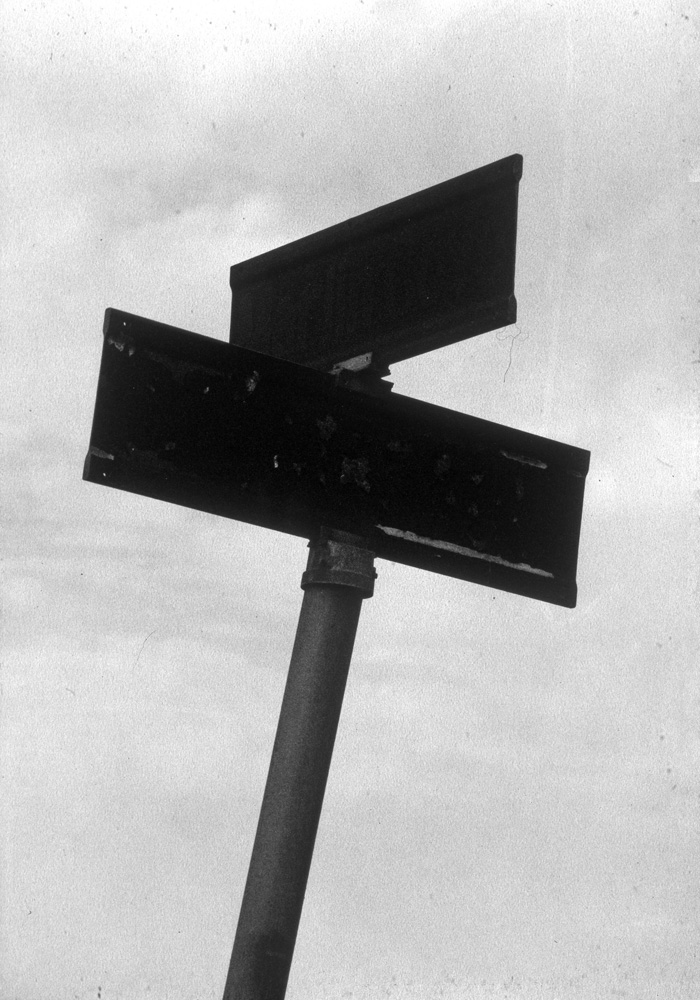
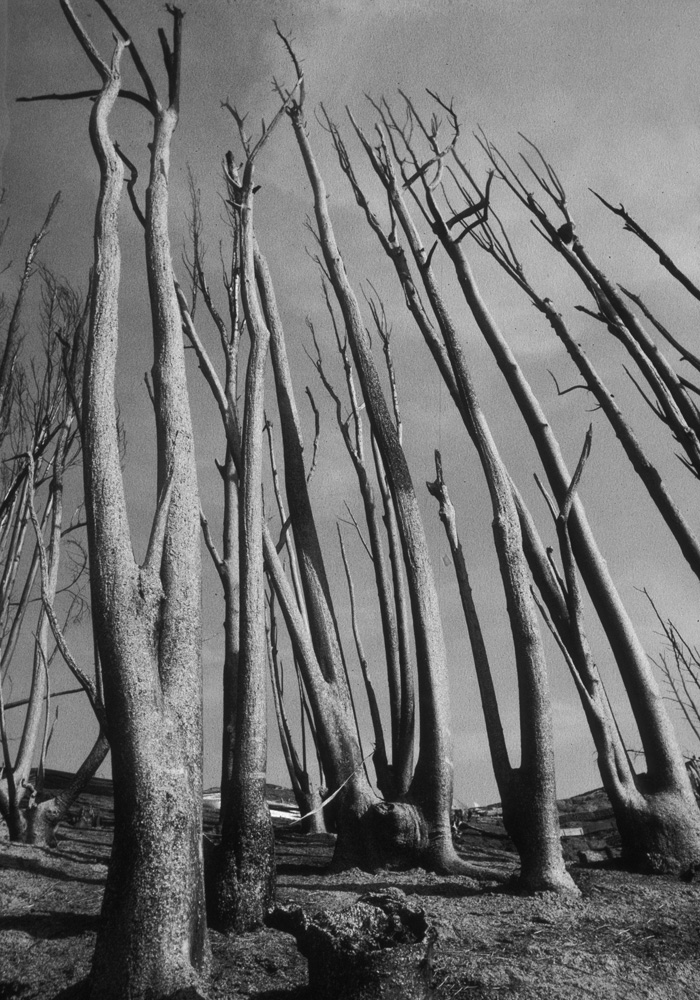
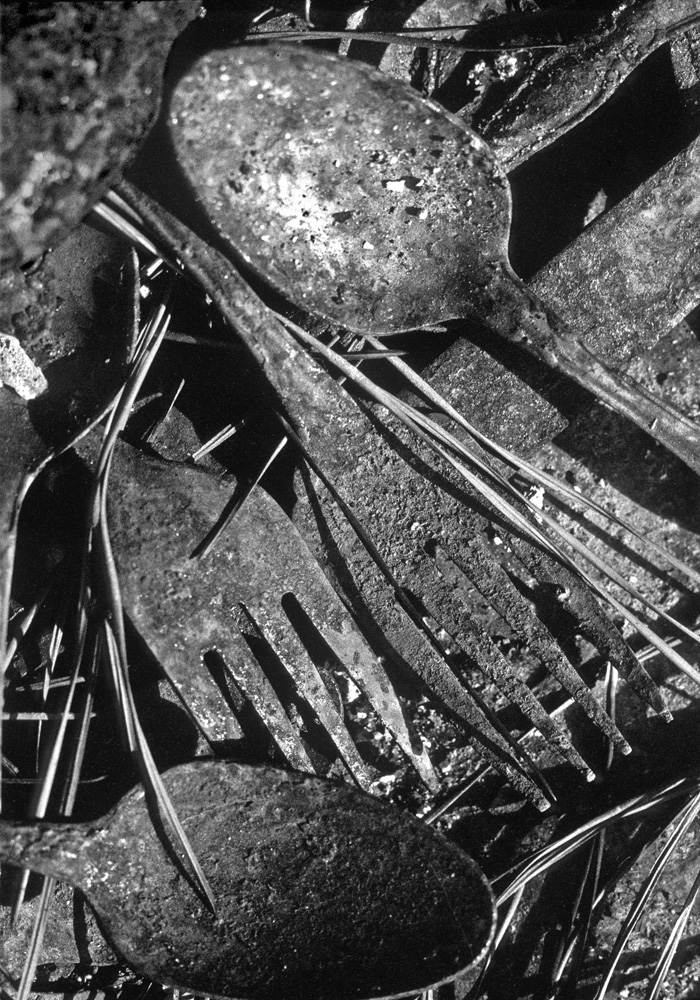
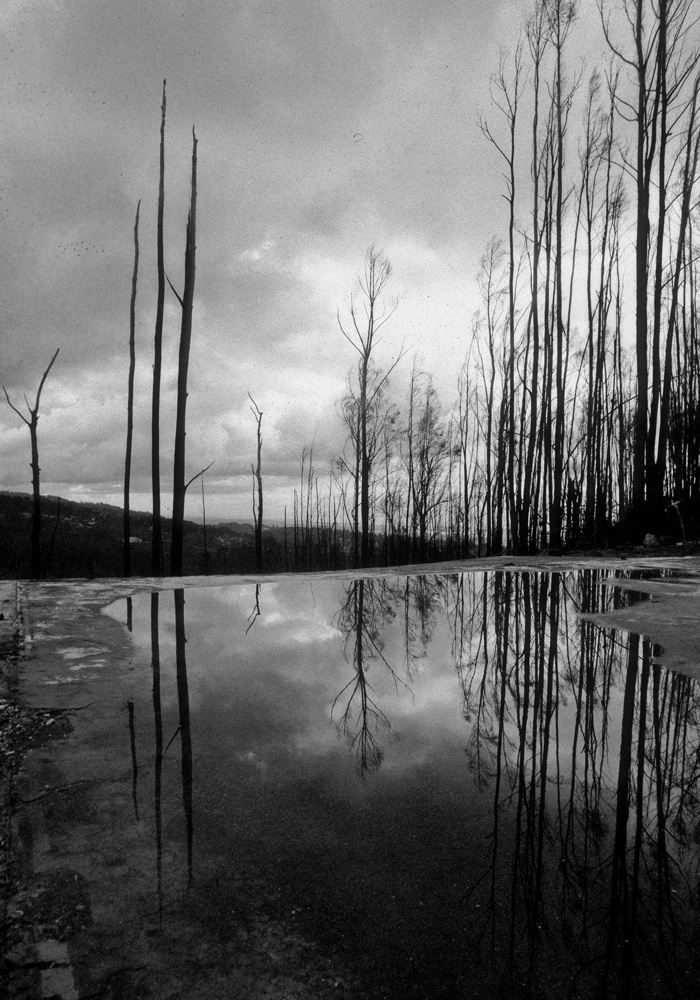
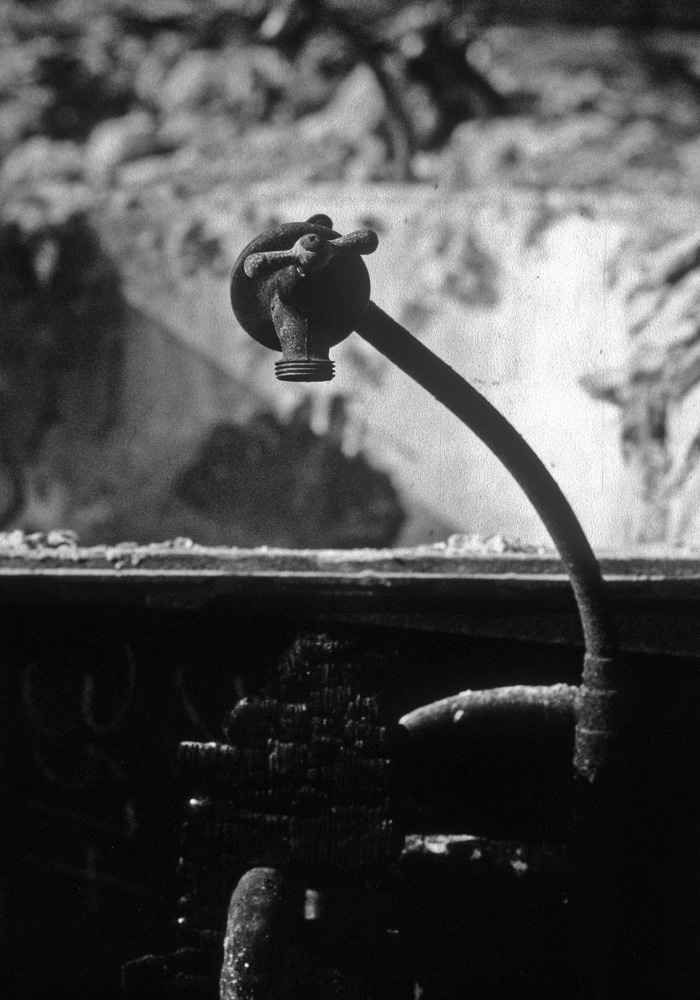
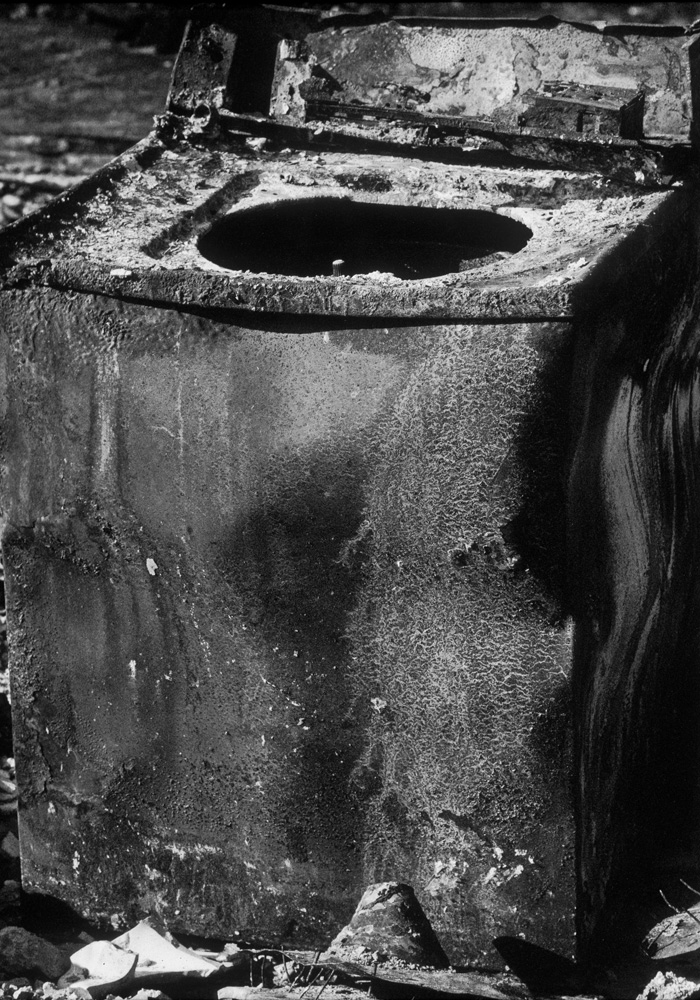
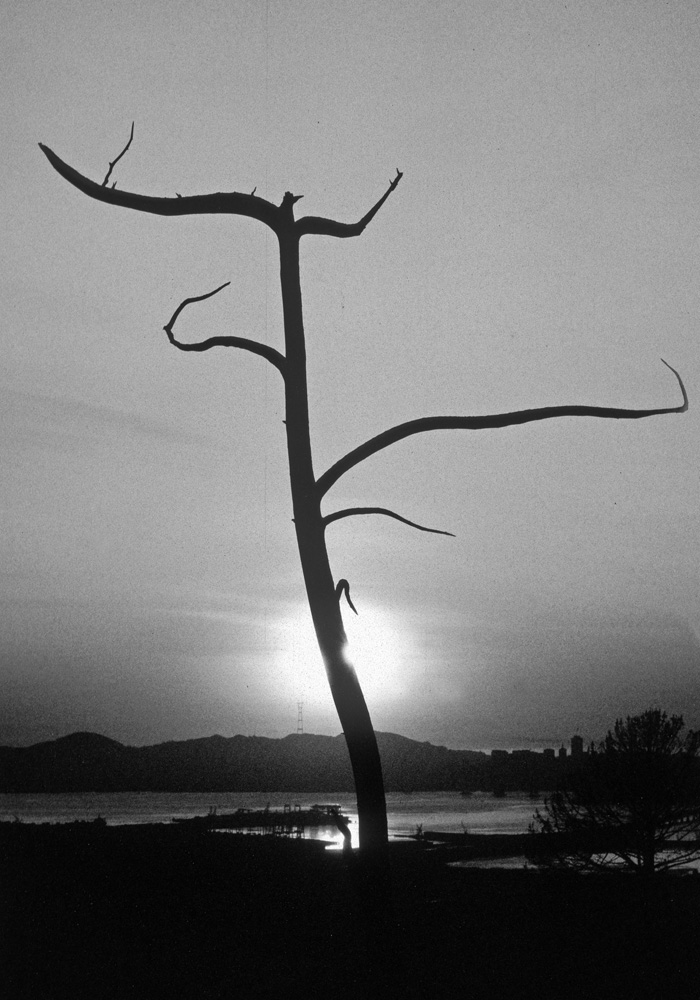
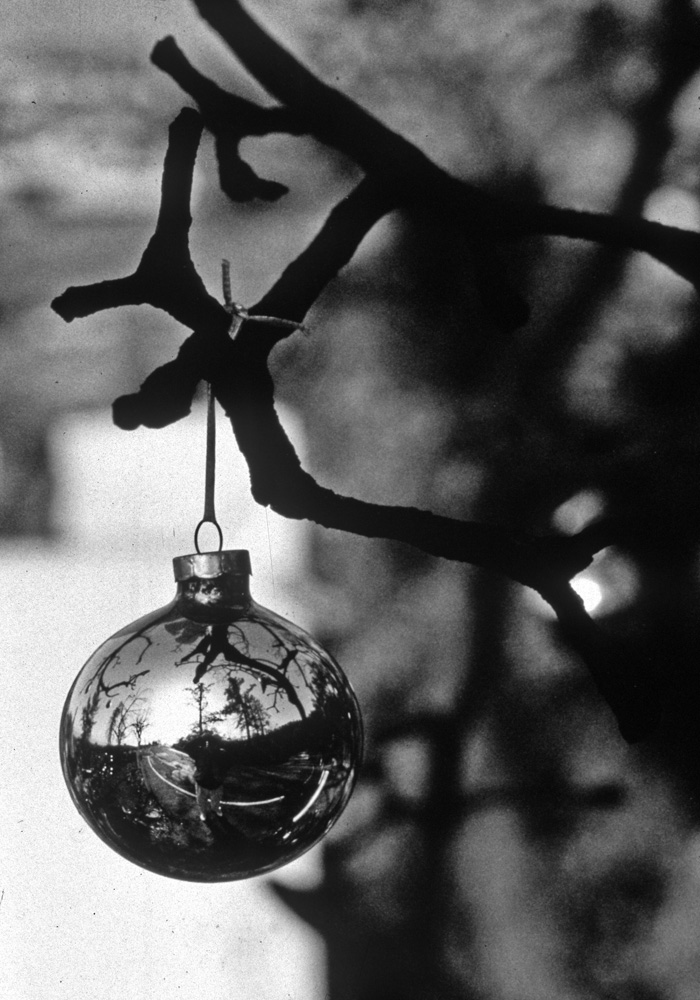
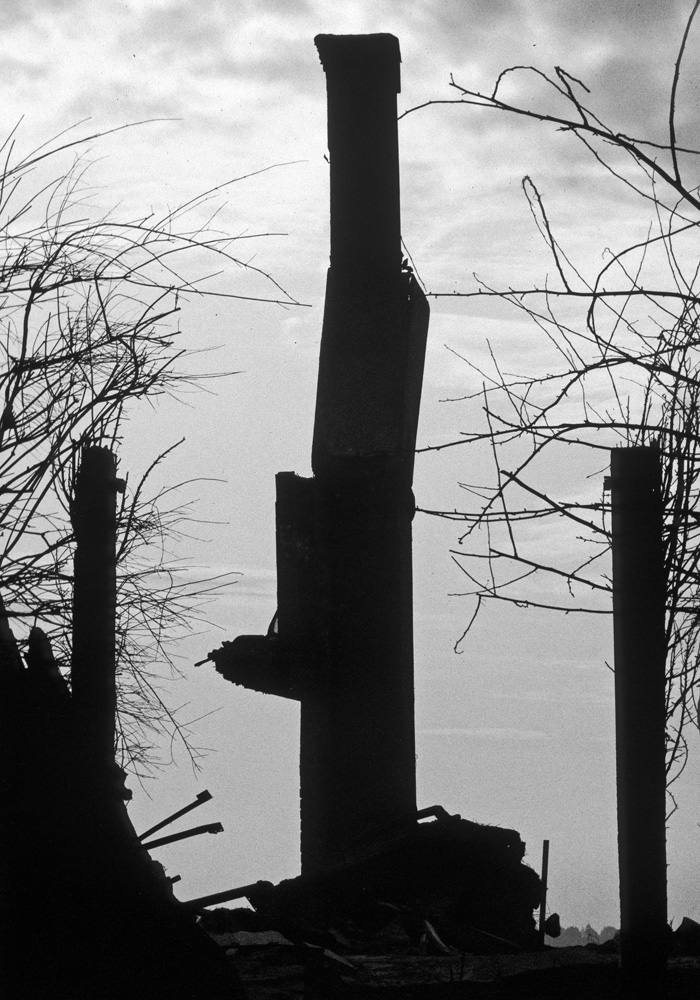
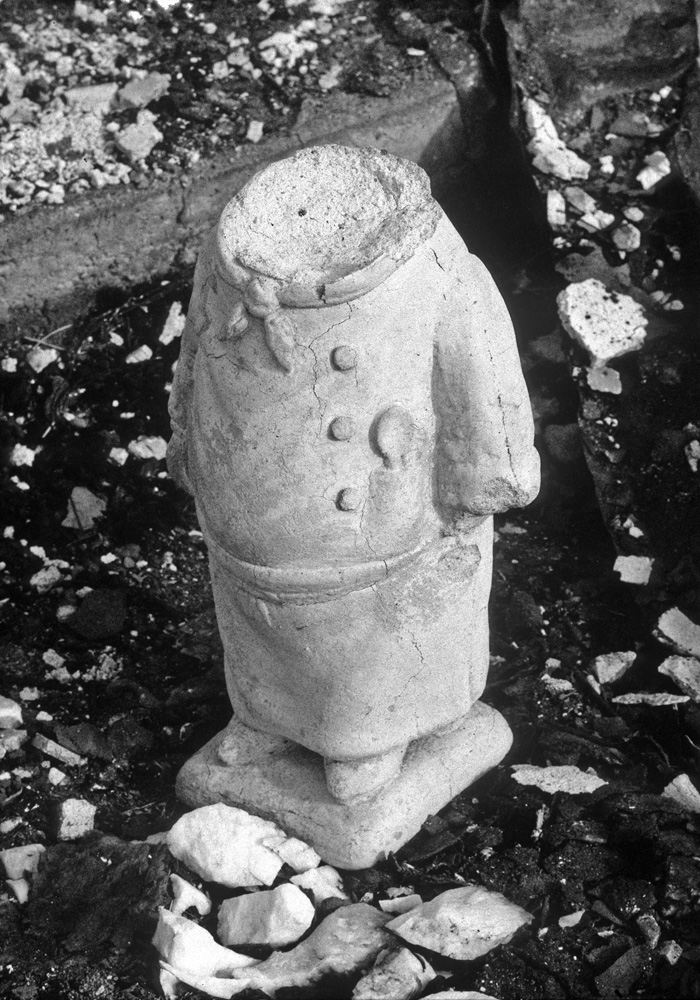
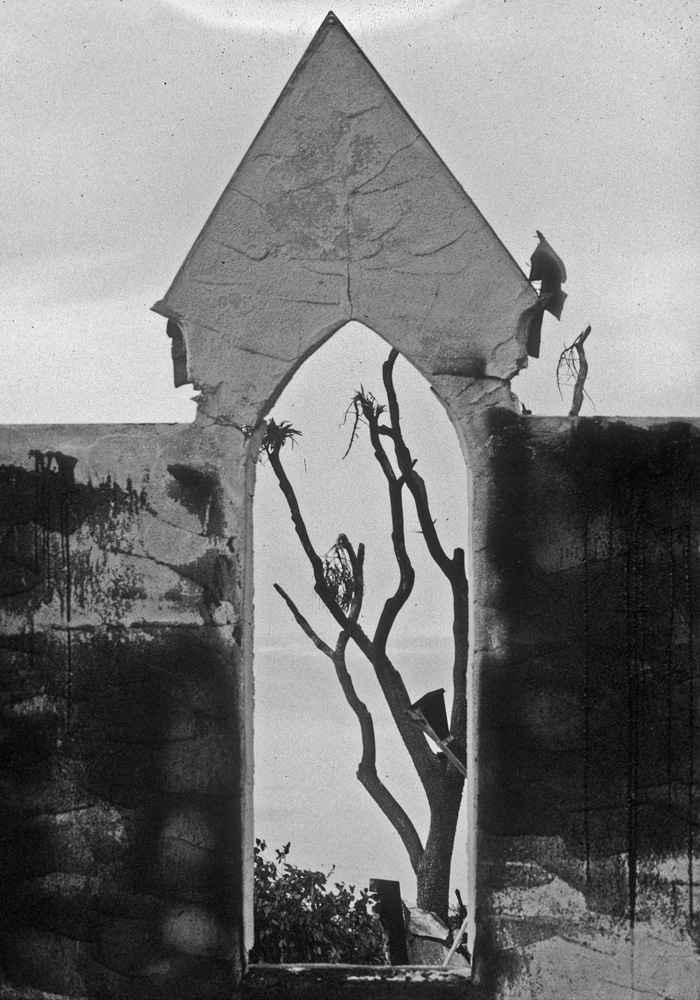
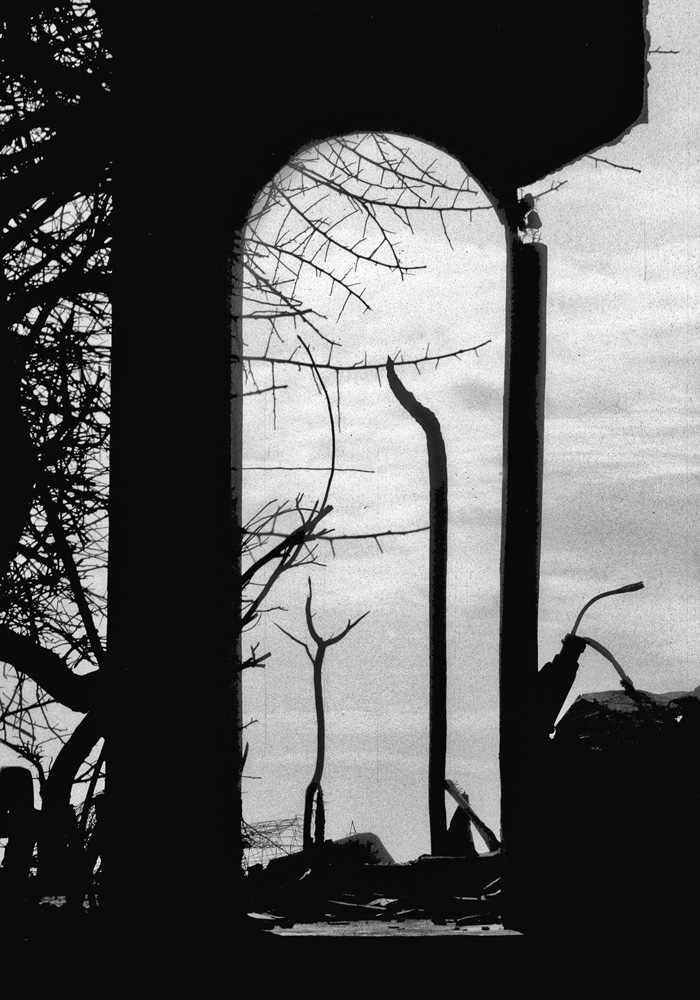
In the short time before reconstruction began, I had a special window of opportunity in which to document the temporary museum of Vulcan the Artist. Protected by a special pass from a senior police officer acquaintance, I spent each day in those hills, doing my best to avoid the cold winds that now blew unobstructed by buildings and trees.
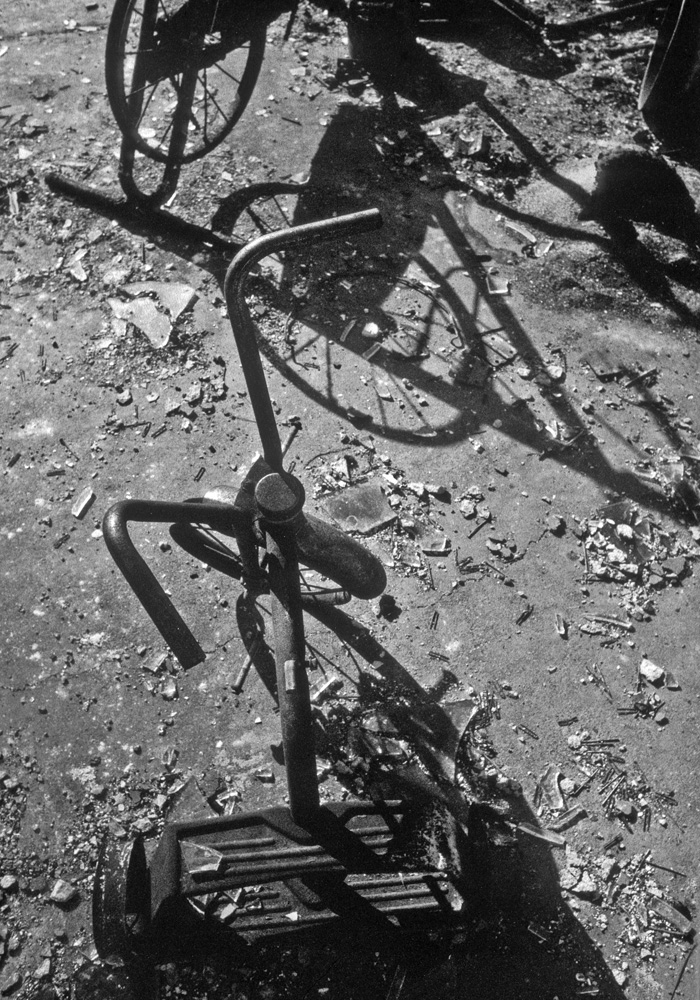
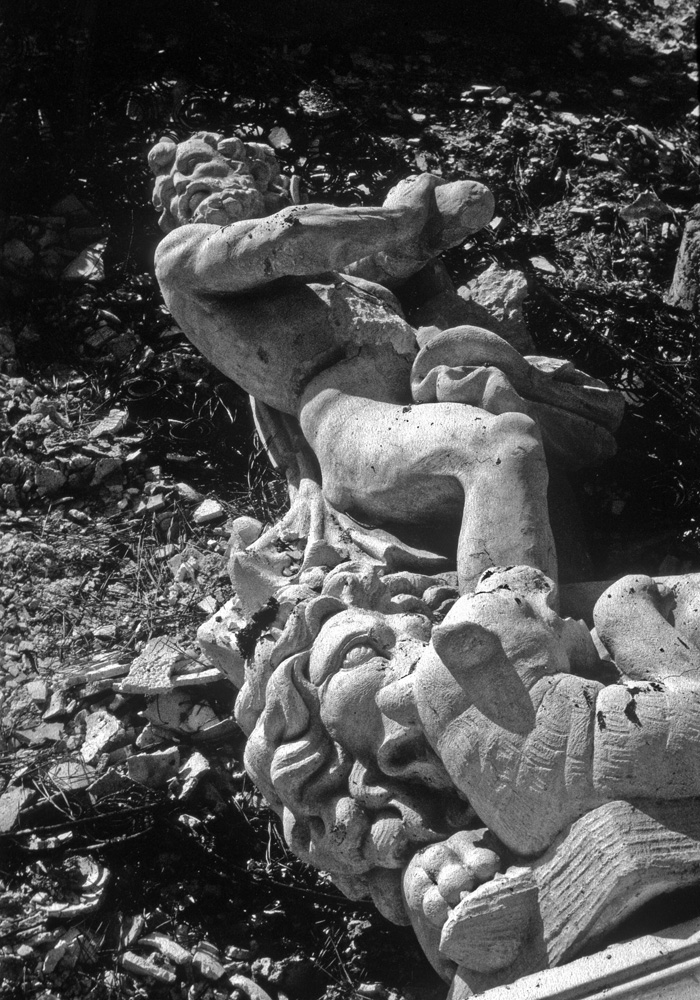
I shot a few rolls of color film and was deeply disappointed with the results. The beautiful blue California skies and struggling new green growth seemed a chromatic denial of the tragedy. The aesthetic was all wrong for the almost Hiroshima-like landscape I found and the charred remains of what had once been homes, cars, toys, gates and landscaped gardens.
Monochrome seemed the more appropriate medium to convey what I saw and felt, and enabled me to photograph the aftermath of the fire as striking metaphors for the pathos of beauty that is born of disaster.
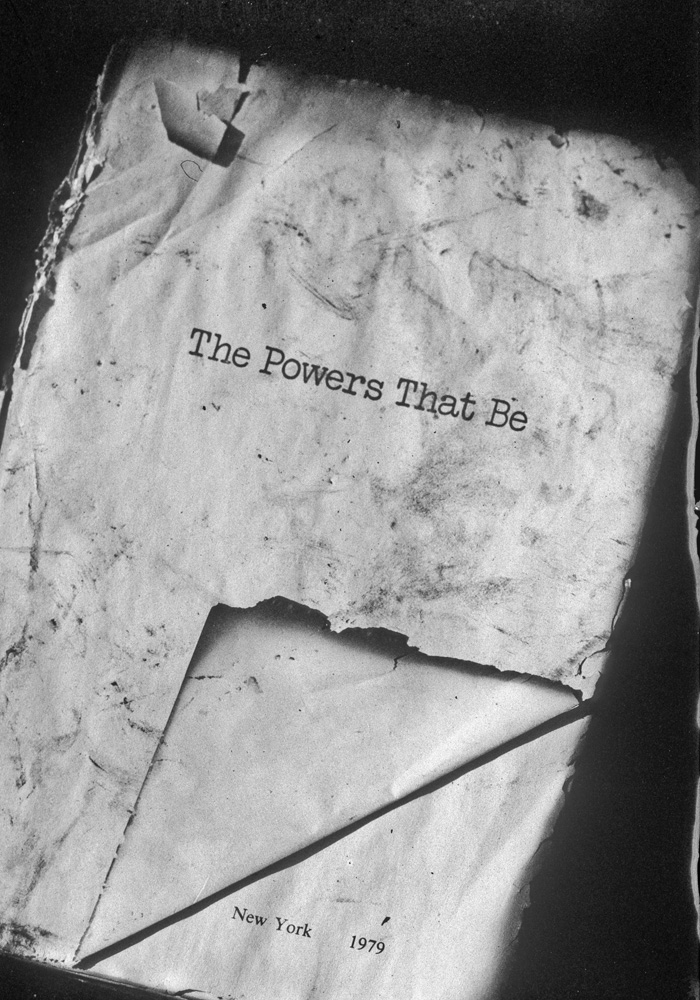
In 2016, to mark the 25th anniversary of the fire, I published Vulcan’s Craft: The Intimacy of Loss – The Berkeley-Oakland Hills Firestorm 25 Years Later. See also YouTube video slide show of the photographs from this book.