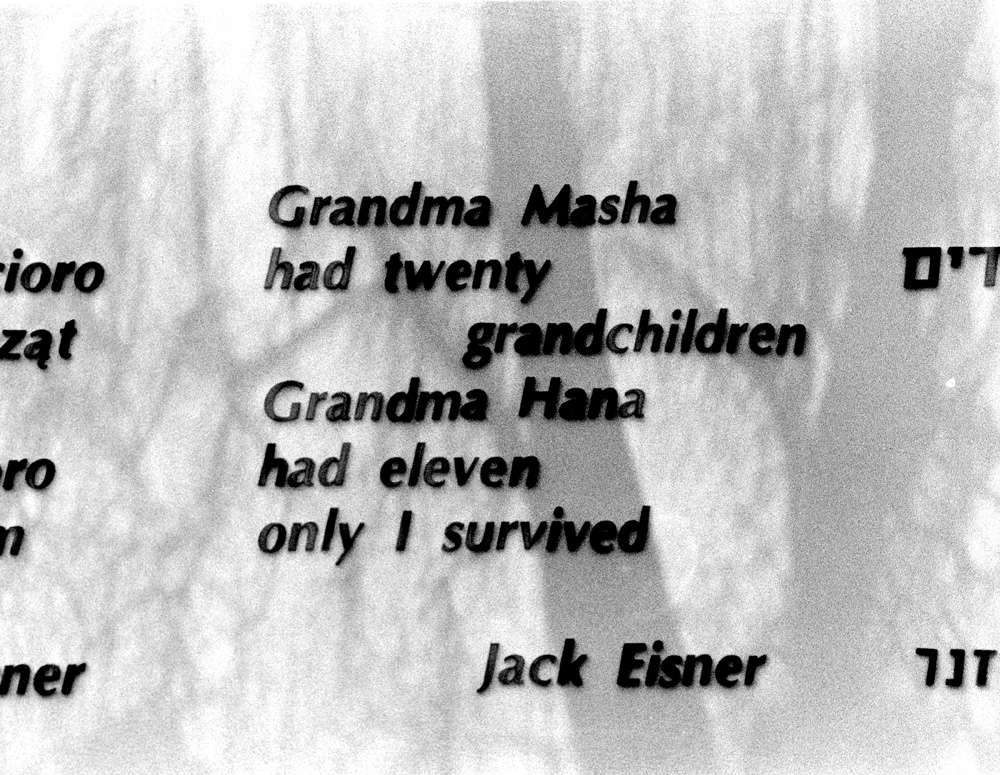
At the end of 1945, when I was a little boy, the first European postwar refugees began to arrive in Cape Town. On occasion, some were invited to my parents’ home.
On a particularly warm night, just before Christmas, a guest removed his jacket, then rolled up his shirtsleeves, revealing a series of numbers on one arm. With a child’s curiosity I walked around the table for a closer look, then asked about the tattoo. He looked anxiously at my parents and I saw my mother subtly shake her head.
The question remained unanswered for a few years, until I joined a synagogue choir and saw a similar number on the Polish cantor’s arm. Then I found out.
The Holocaust is commemorated in documents, monuments, and in an inevitably diminishing human memory. More than sixty years after the liberation of the Nazi concentration camps and the end of World War II, we still have to ask ourselves how adequately to memorialize that cataclysmic event and what we can learn to enable us to avoid repetition.
After the publication of his sensitve book In The Camps, photographer Erich Hartmann, in a private letter to me, wrote: “The central and greatest difficulty of remembering, not only with this particular anniversary but with life experiences generally, is to transmit events that are perforce intensely personal, to others who cannot have anything but knowledge, without the flavor, without the fear or joy of what was then an intense present and is now the inevitably fading past.”
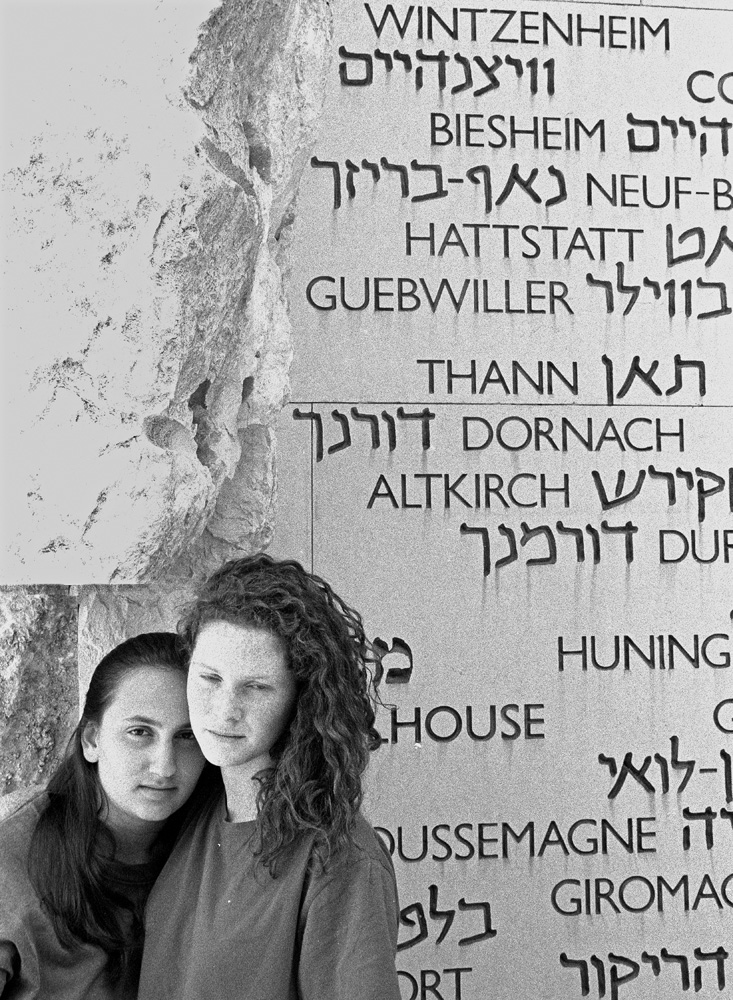
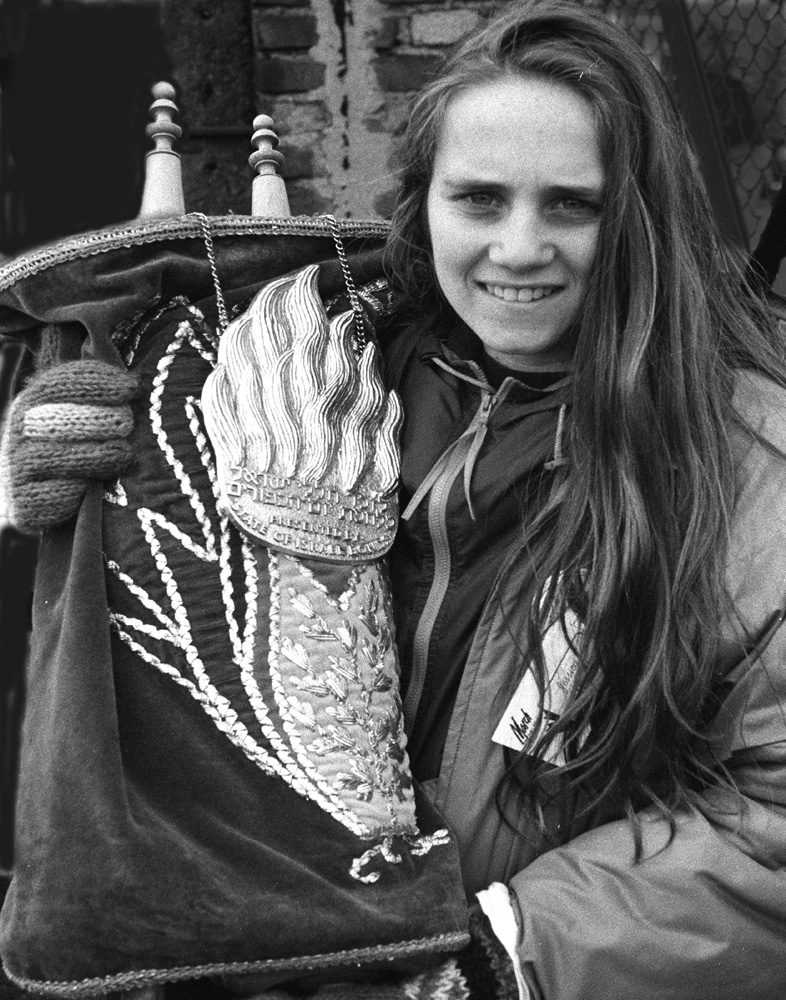
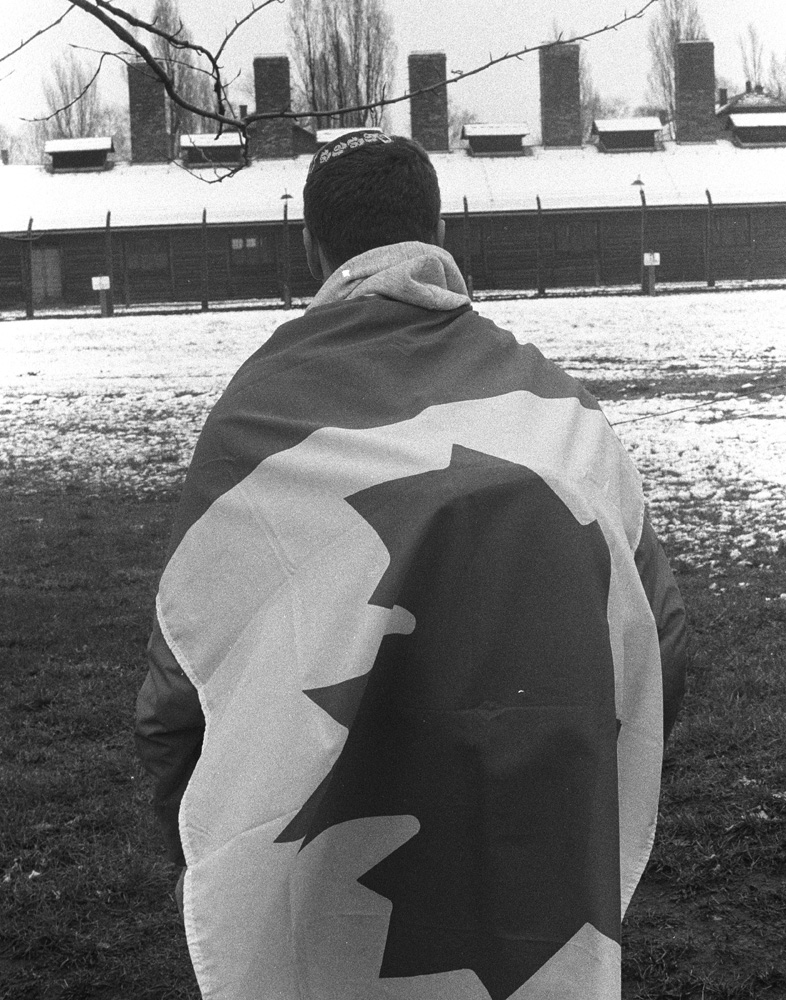
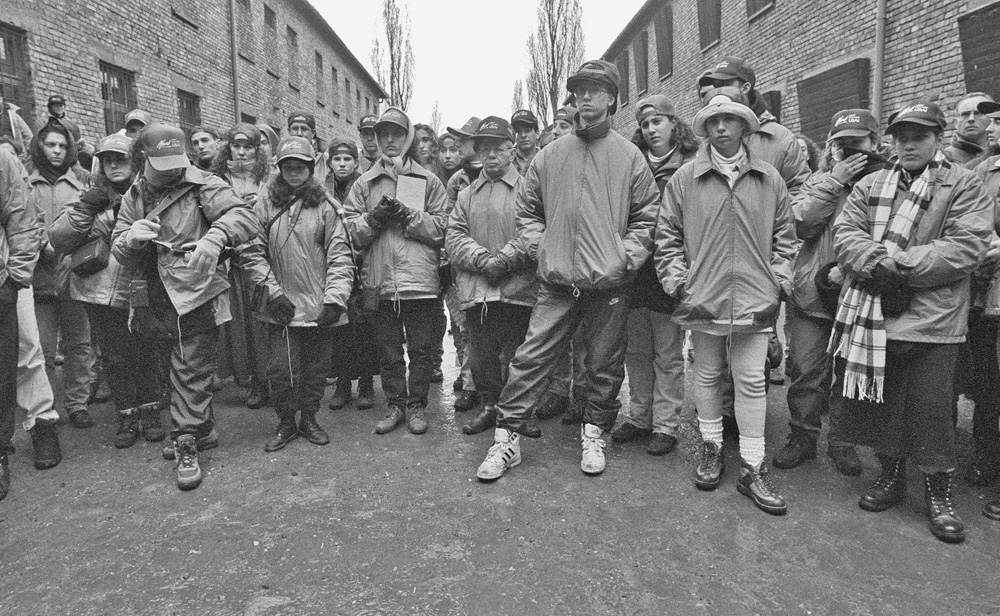
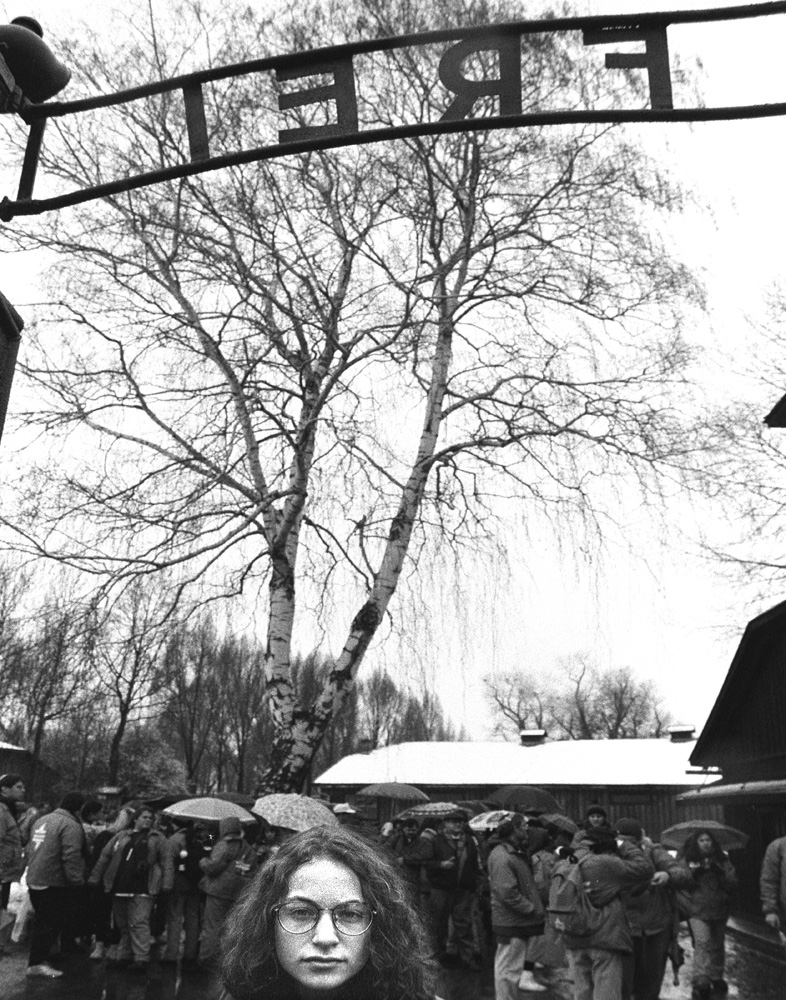
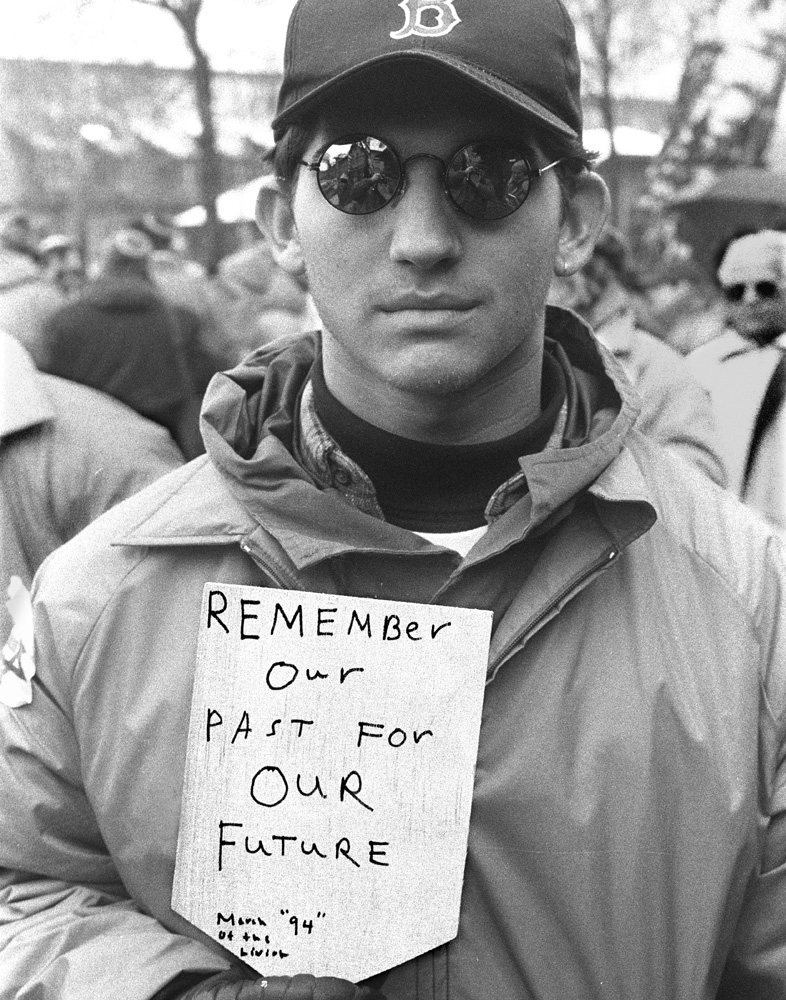
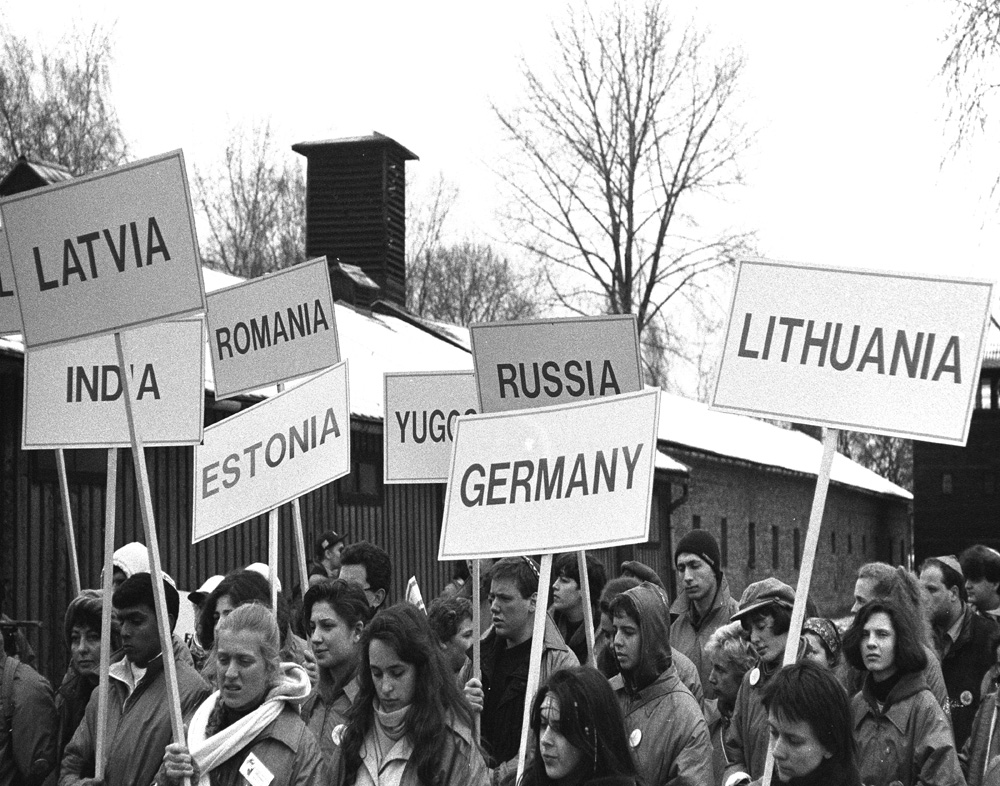
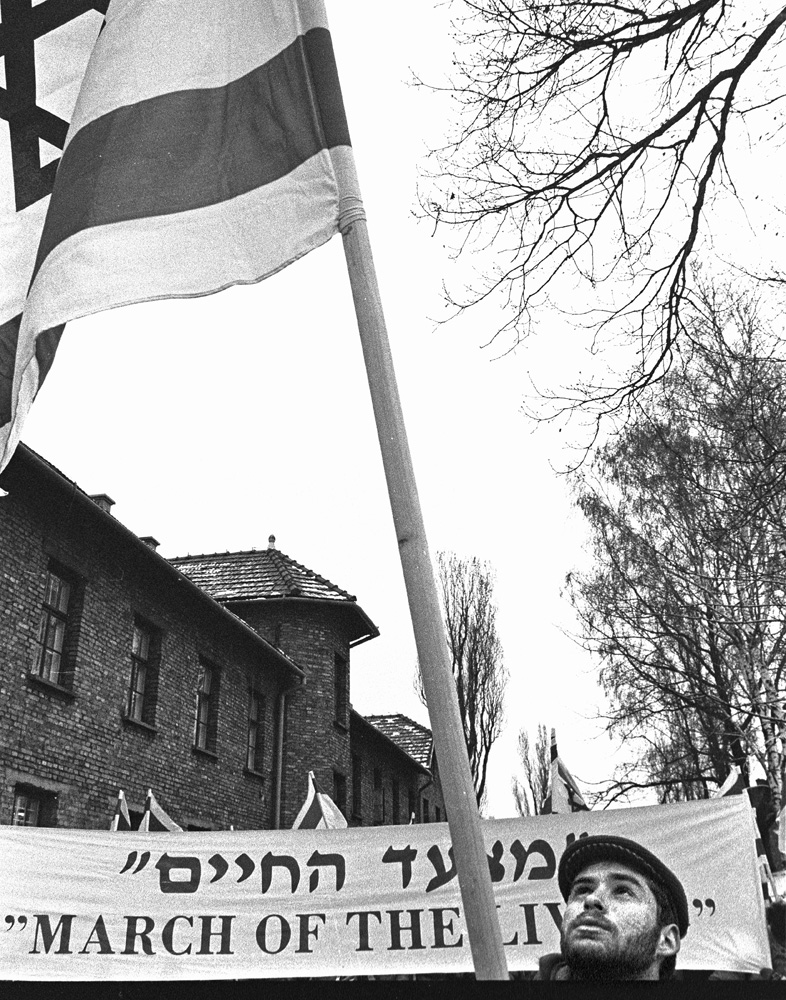
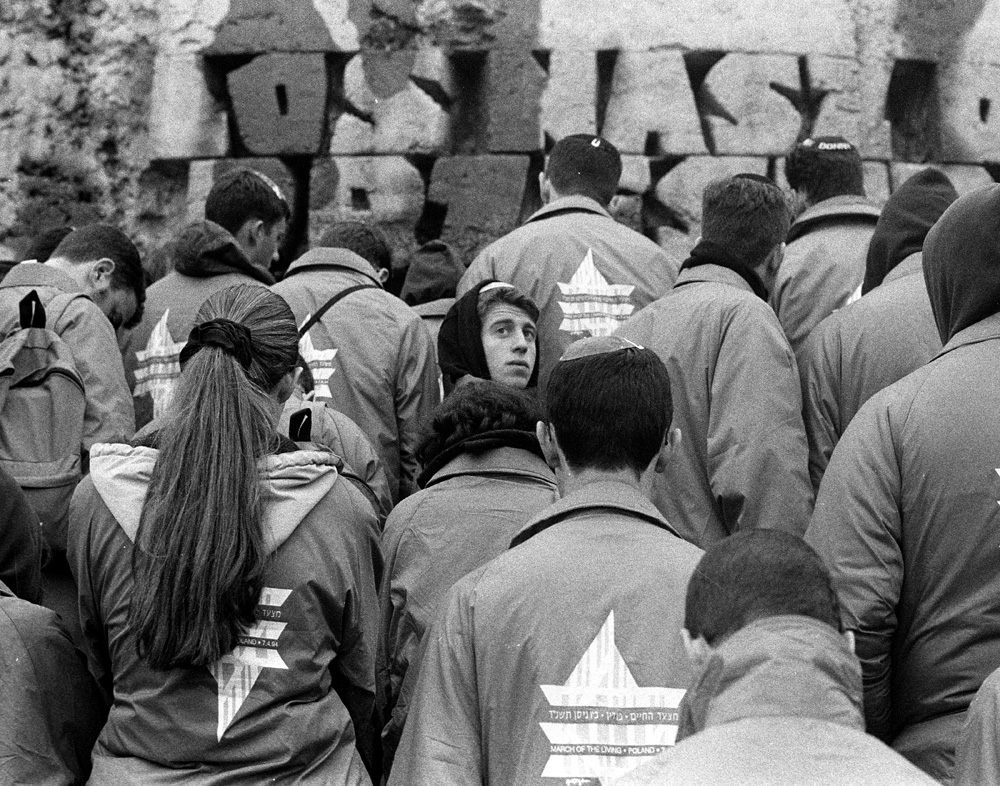
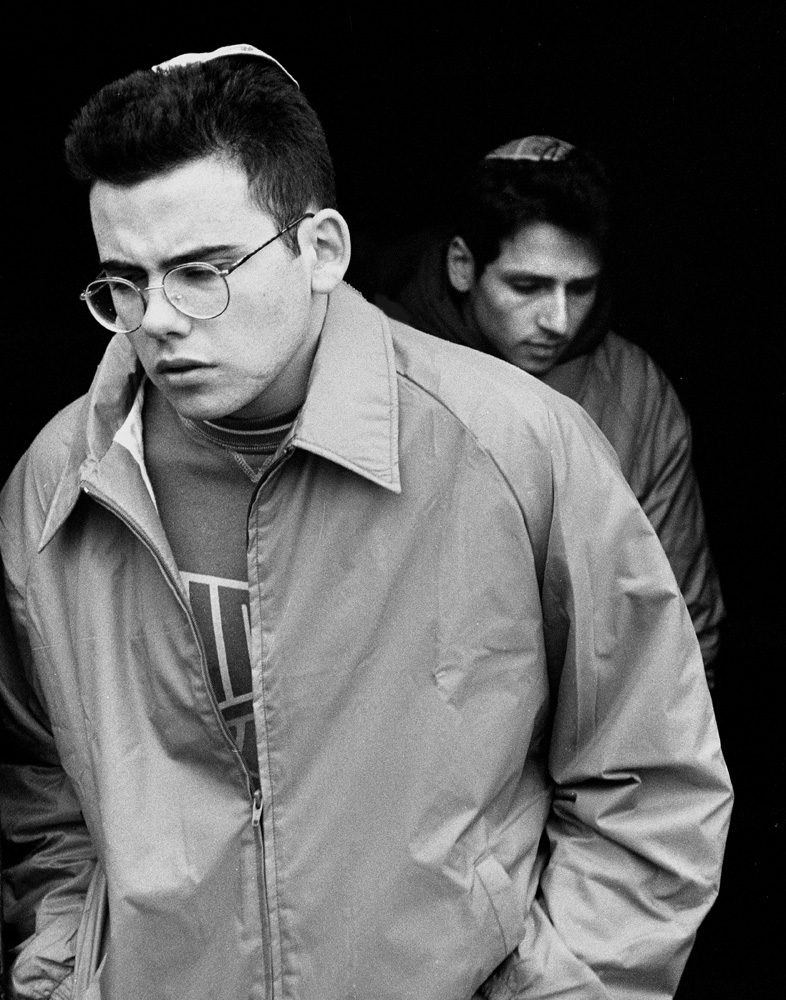
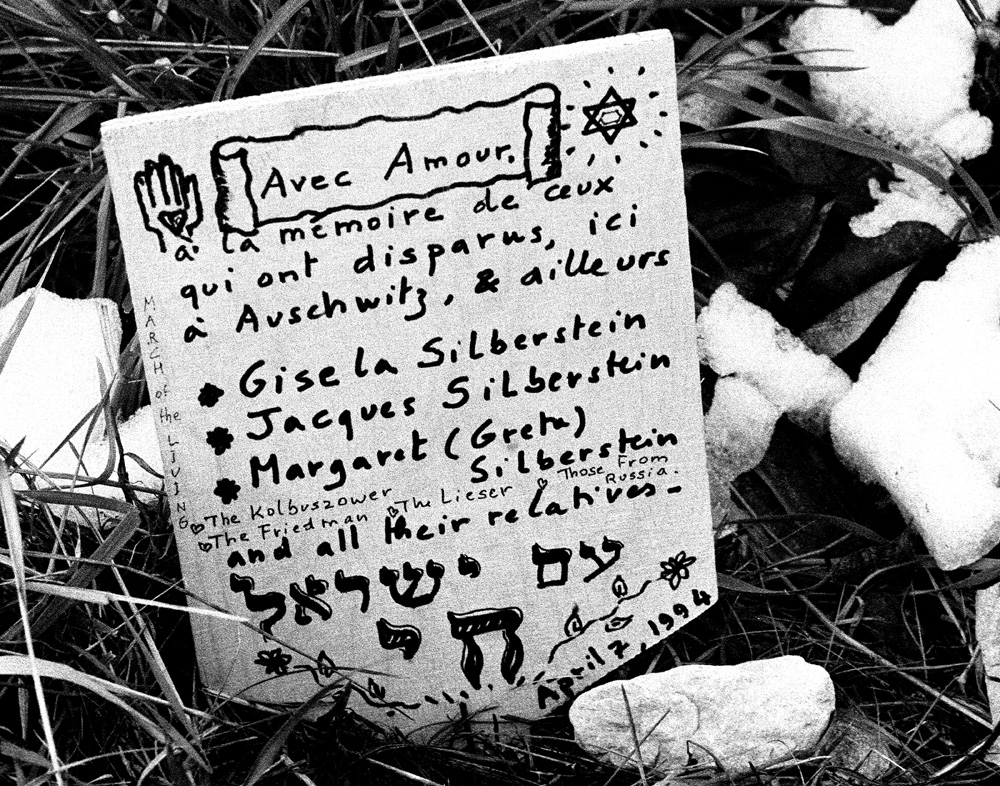
The March of the Living is an event that brings thousands of youth to Poland, to be confronted with the evidence of the Holocaust. As Professor Yehuda Bauer has written: “If (events) are possible once, they are possible again. In that sense the Holocaust is not unique but a warning for the future.”
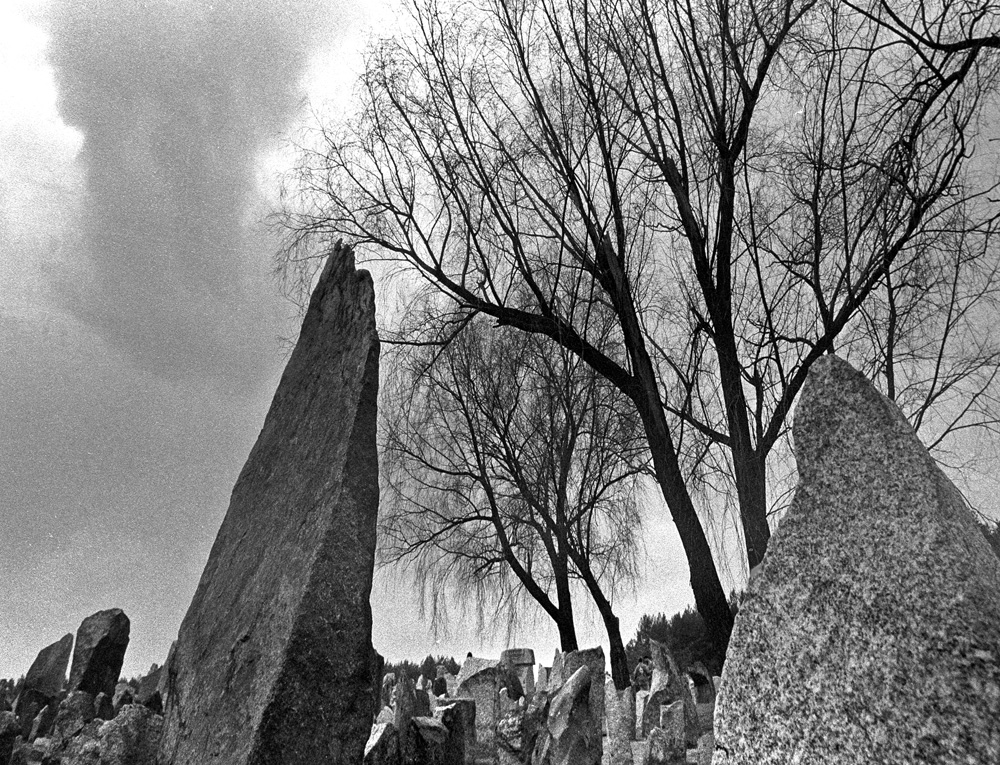
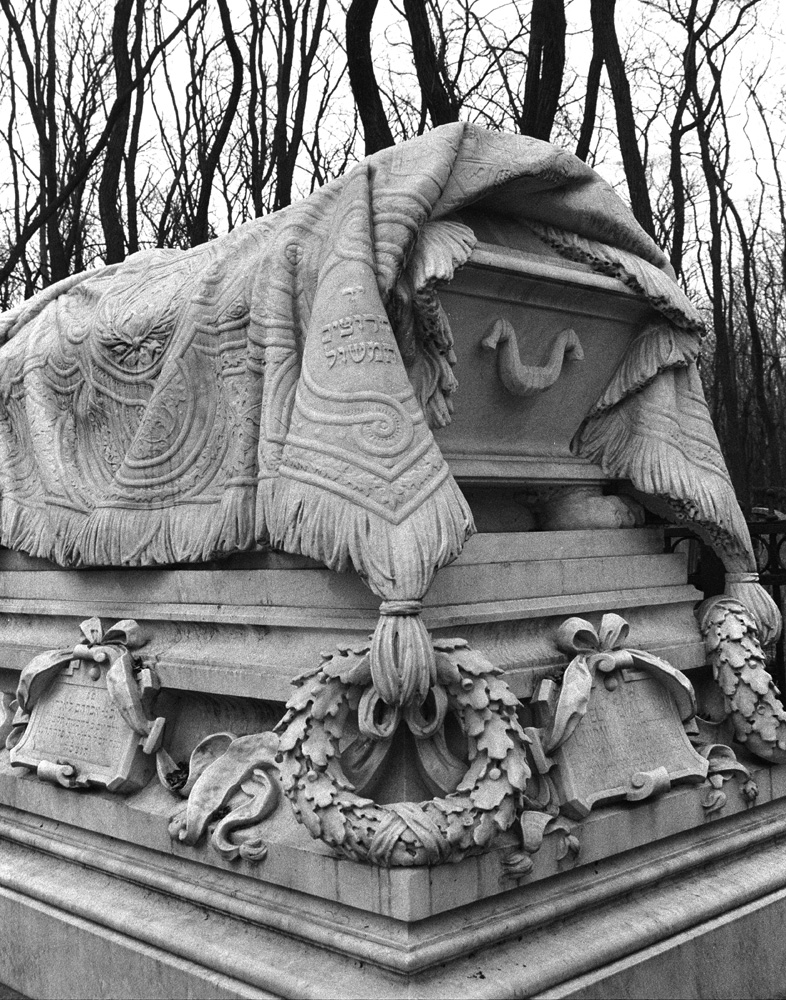
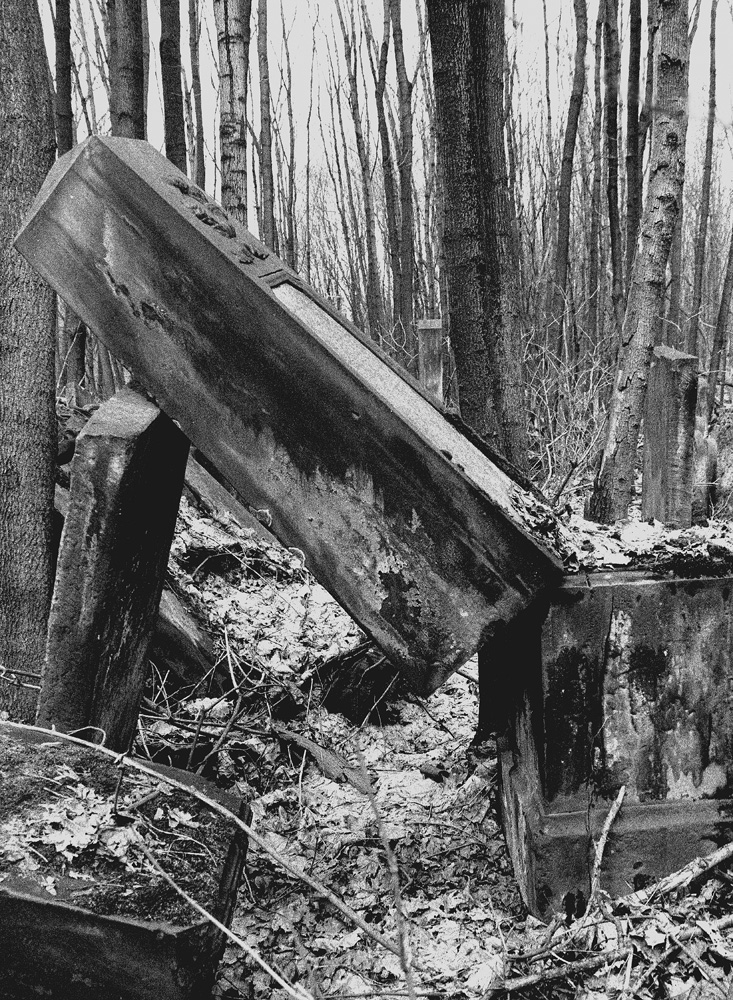
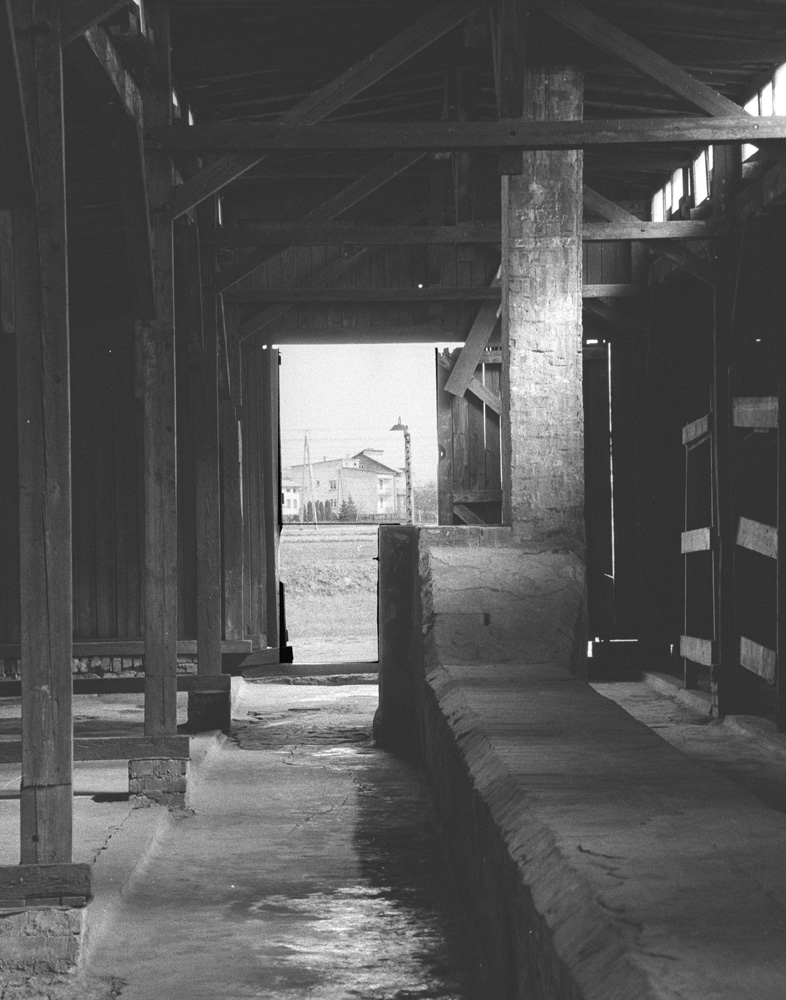
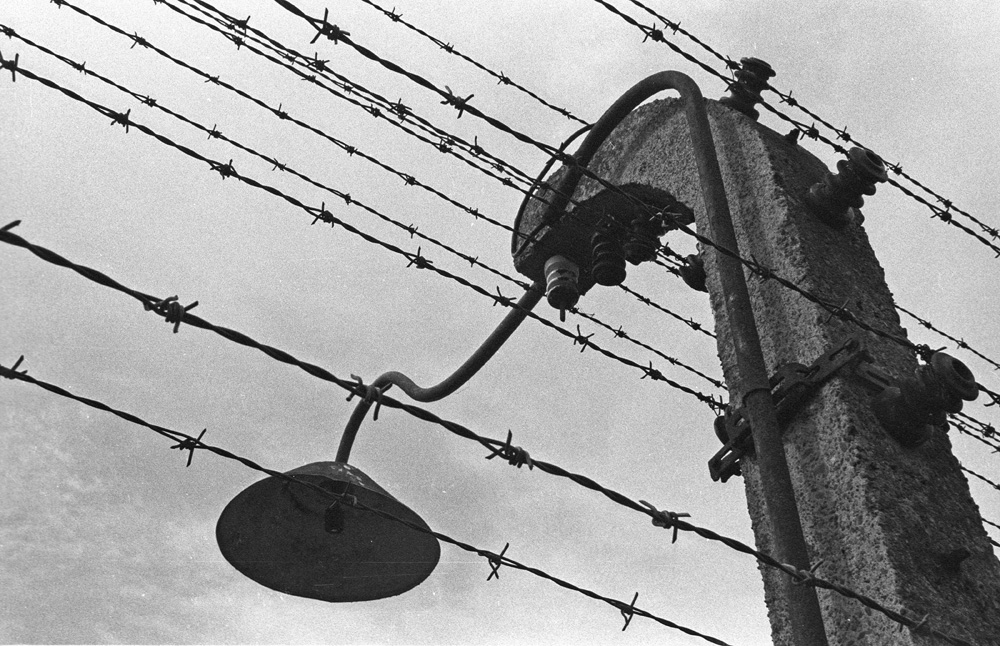
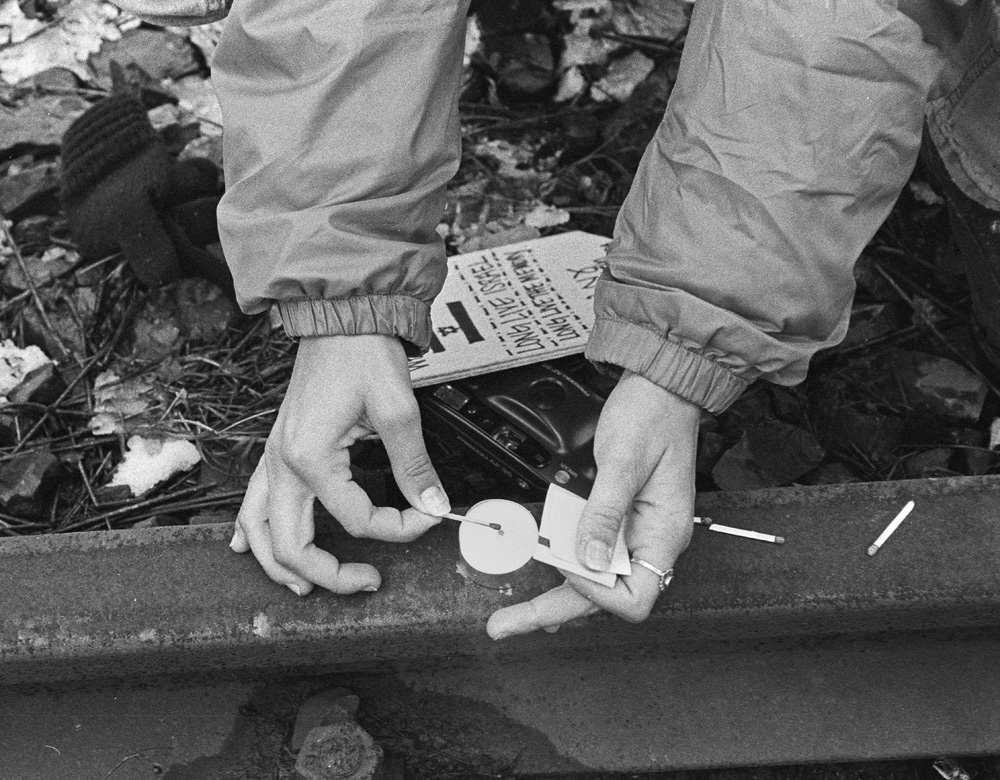
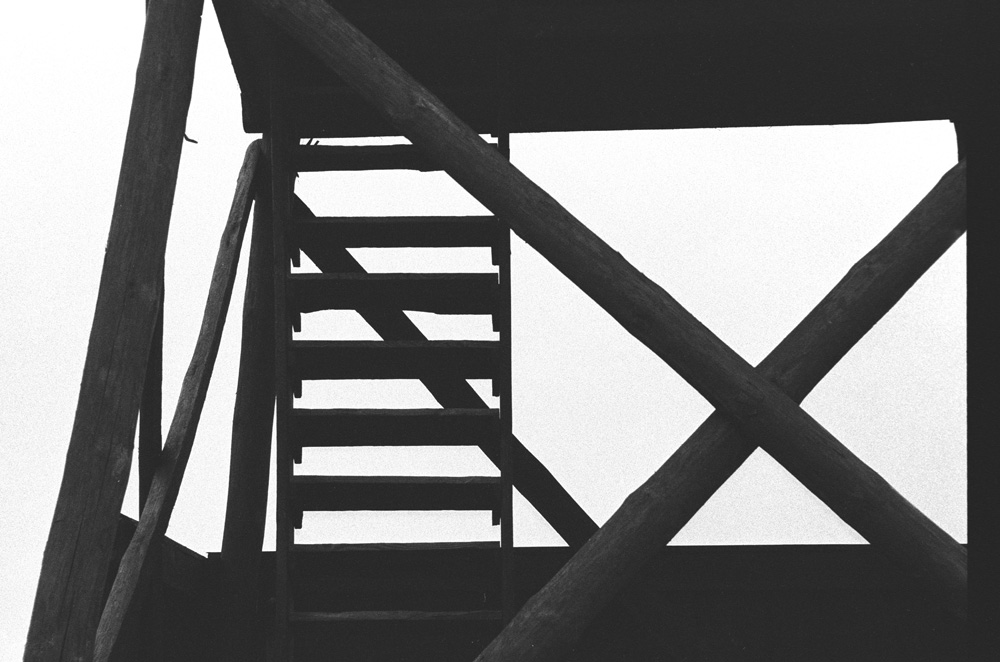
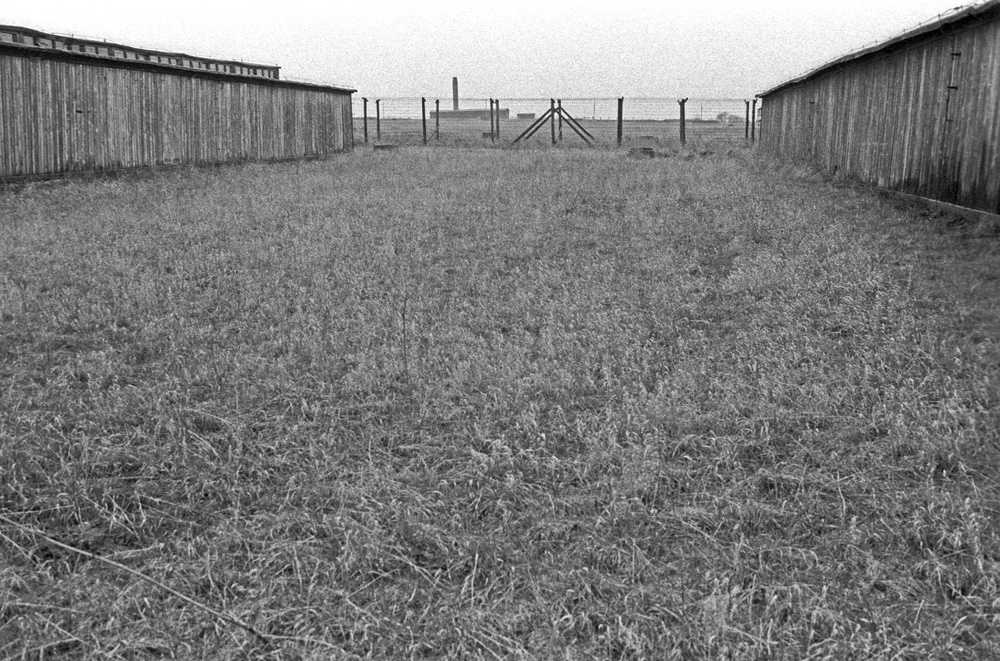
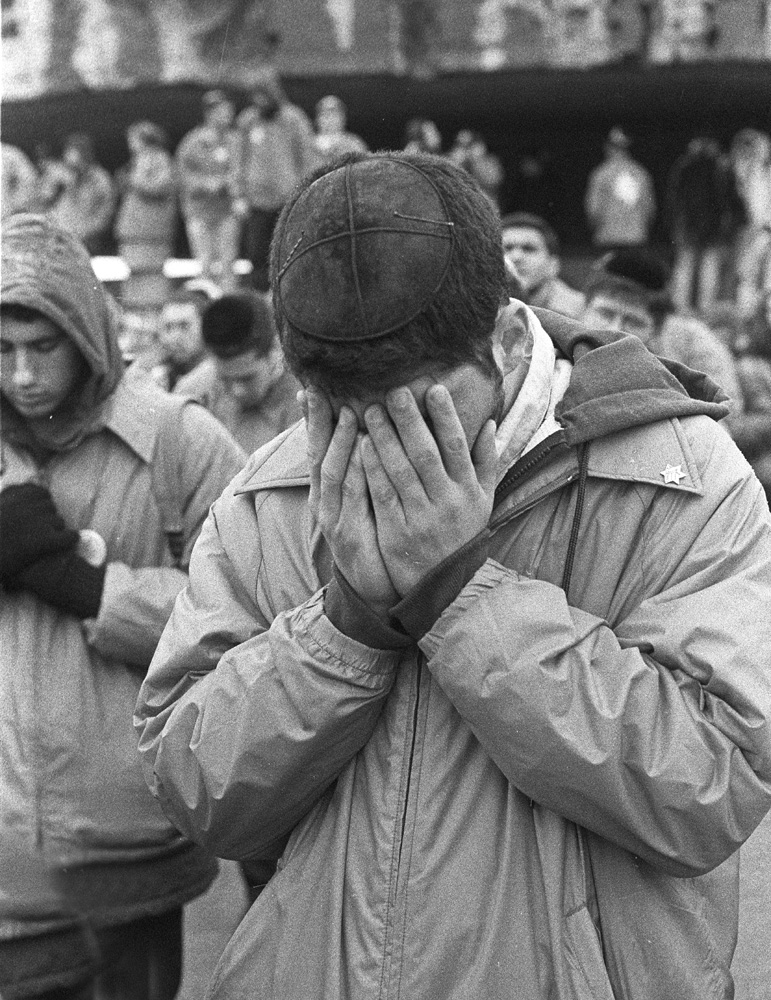
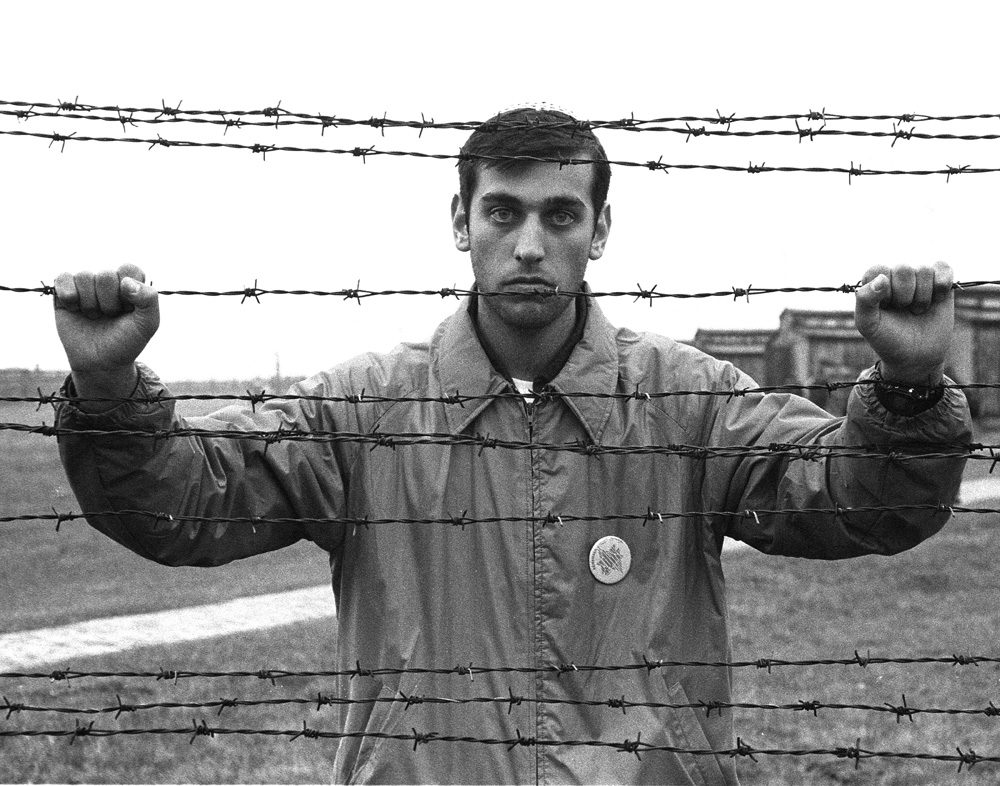
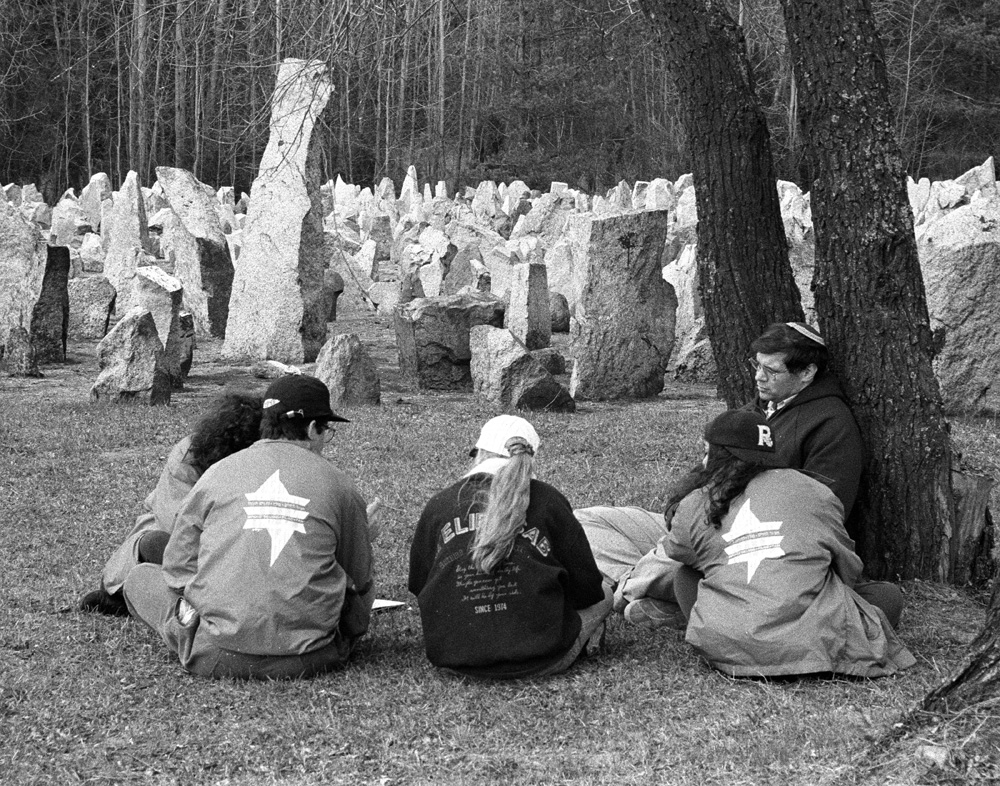
The March of the Living, which fosters the historical education of the young, and therefore a sensitivity to the future, made possible depiction of reactions to the killing places, rather than the more usual photographs of the physical plant and instruments of degradation and death.
It makes a singular contribution to the universal idea that the ghosts and martyrs remain imprisoned by the continuning wars and genocides of our times, and that it is the responsibility of ensuing generations to liberate the ghosts by putting an end to the terror, the intolerance and the suffering.
_________
“While most works on the Shoah leave one in desapir, Liberating the Ghosts sets out to portray a seed of hope, and succeeds triumphanthly.”
Fred Rosenbaum Ph.D., Former Director, Lehrhaus Judaica, Berkeley
“Through these sensitive pictures, and the writings of the participants, you will share a glimpse of their experience, and have a sense of what awaits you on such a journey. Raphael Shevelev’s stunning photographs, and the deeply expressive words of the youth, document a pilgrimage. They are an invitation to make a pilgrimage of your own.”
Michael Barenbaum, Ph.D., Former Director of the Research Institute, U.S. Holocaust Memorial Museum