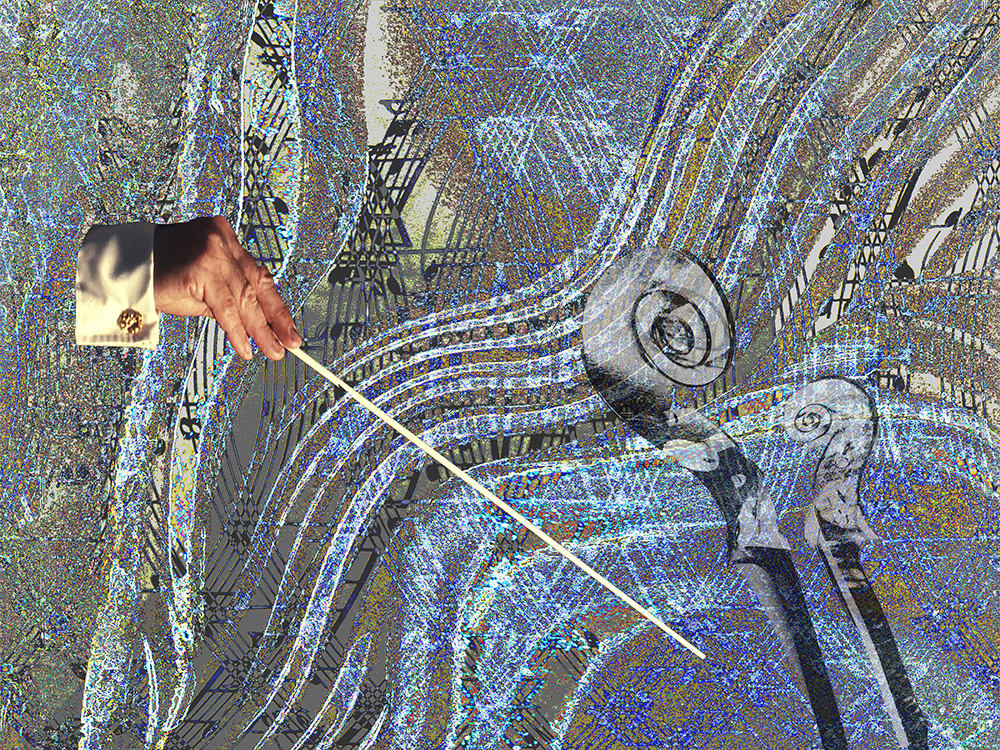
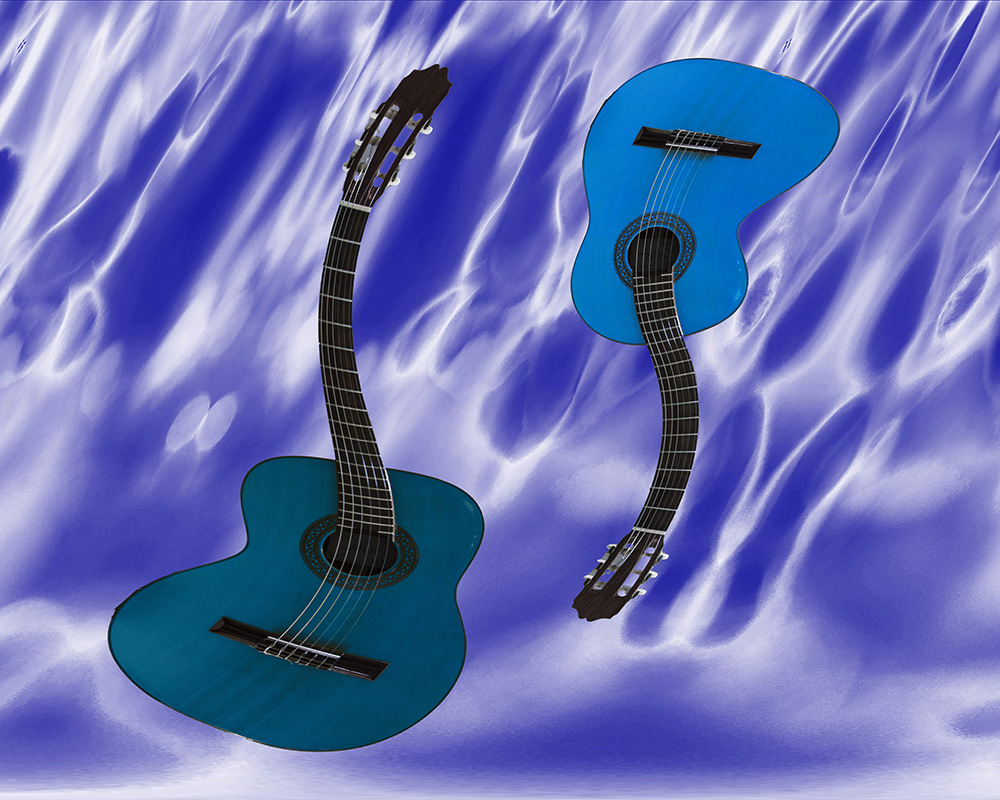
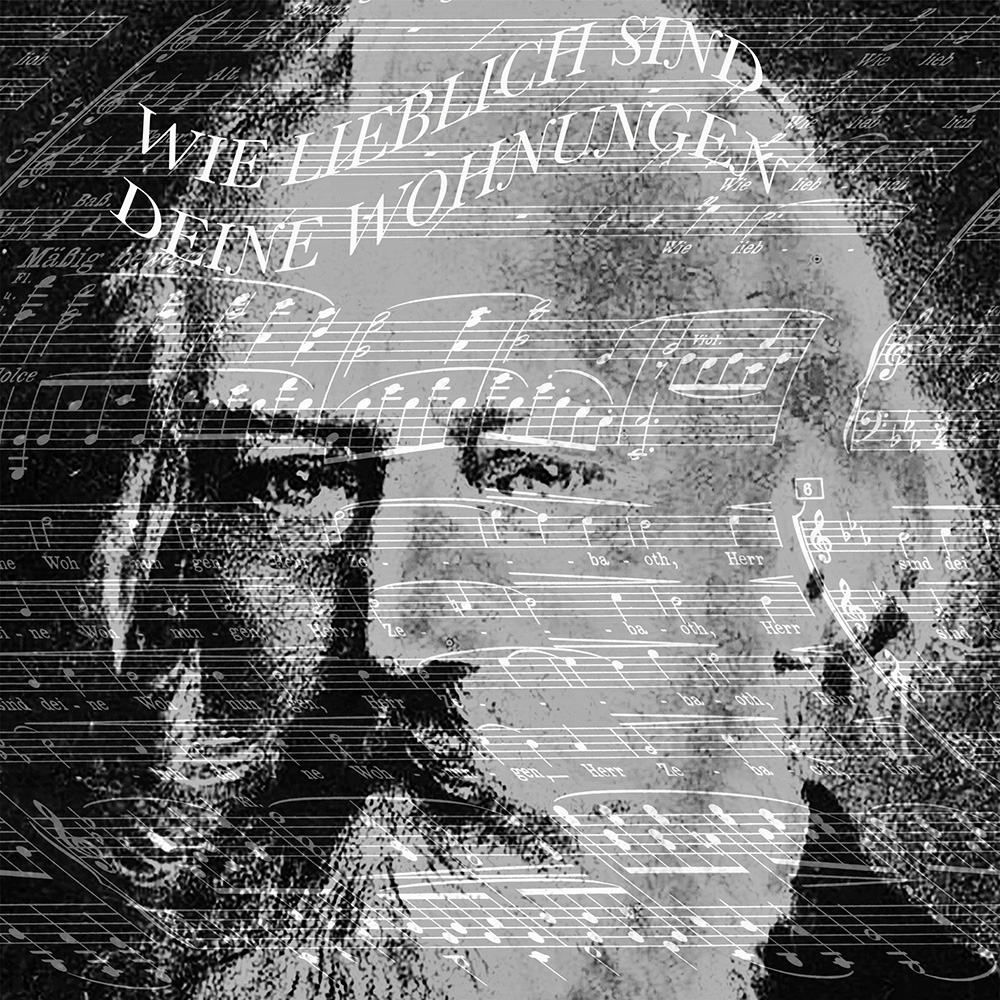
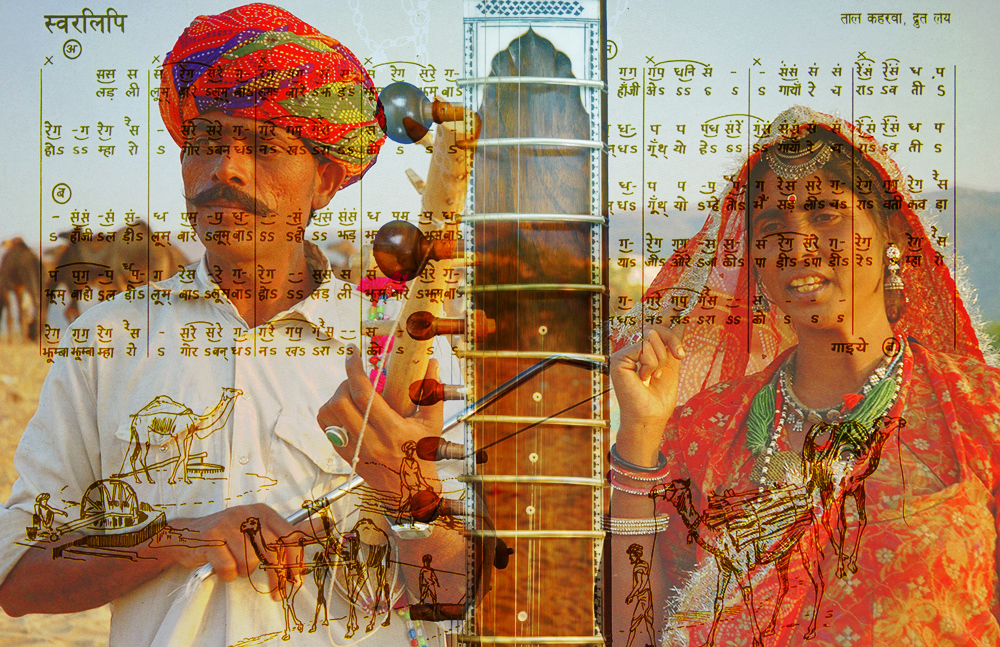
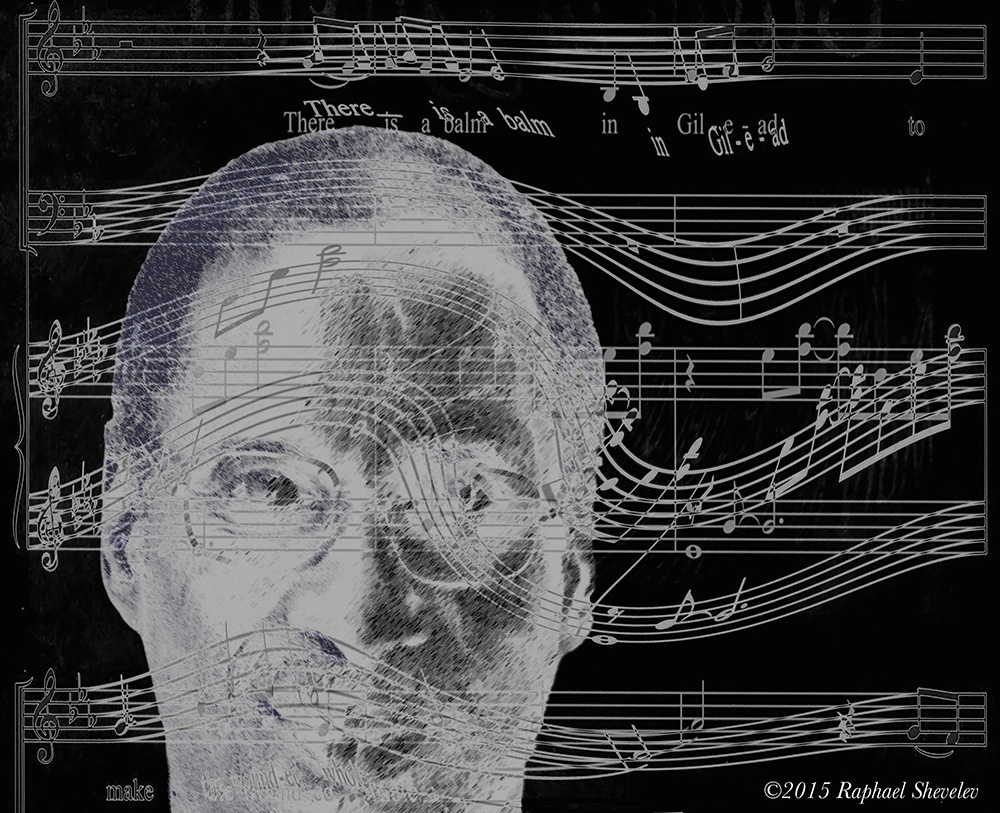
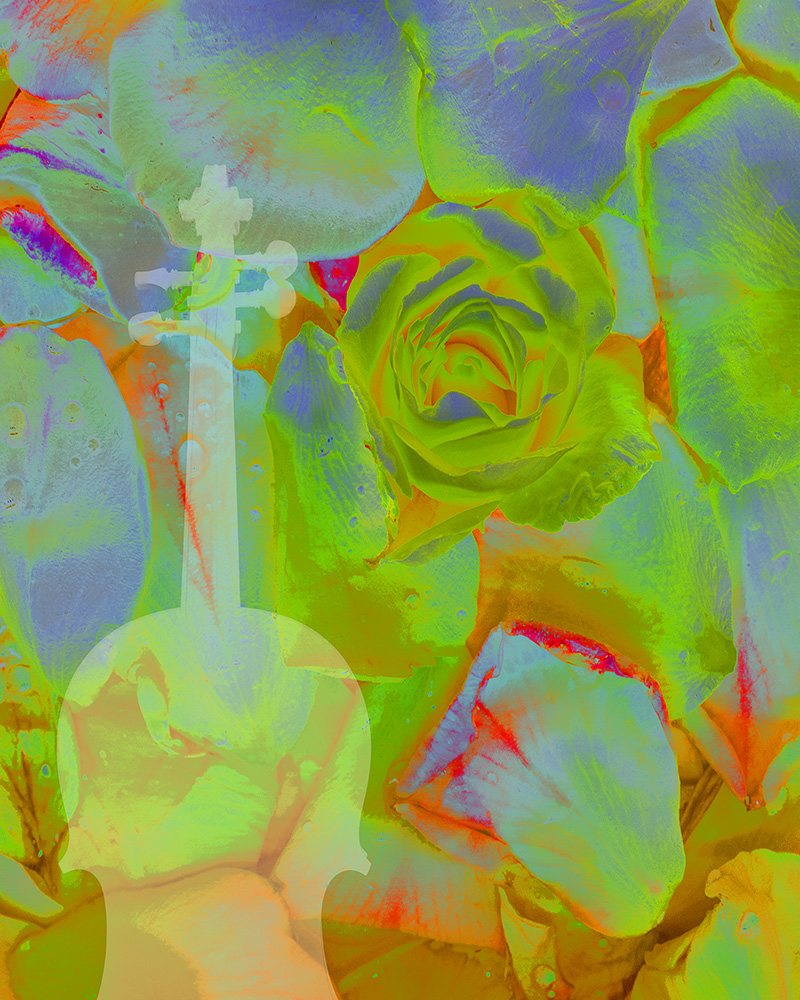
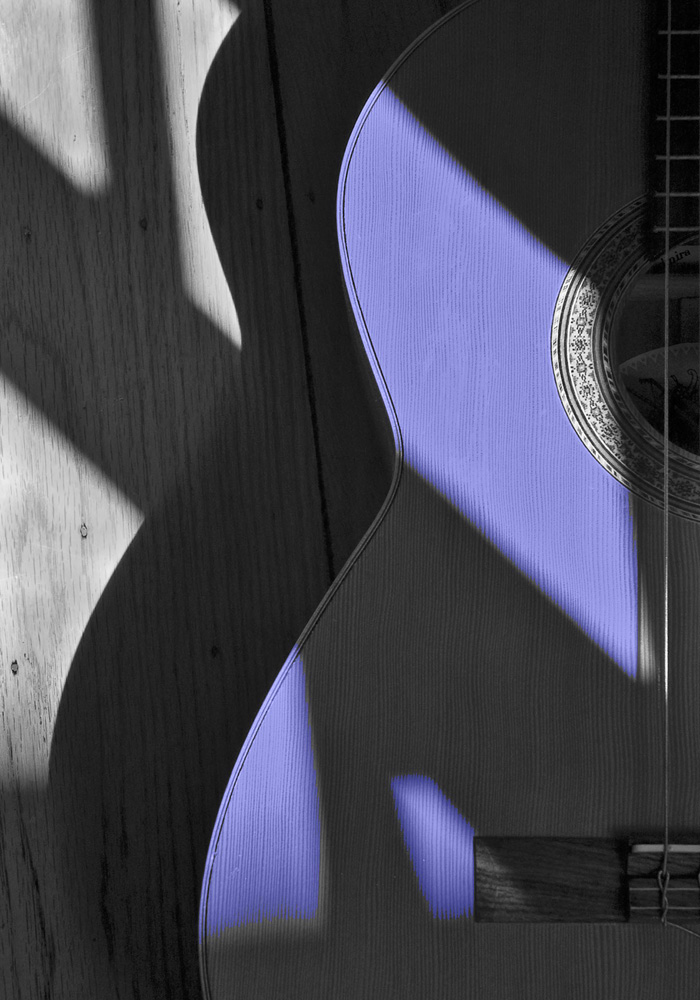
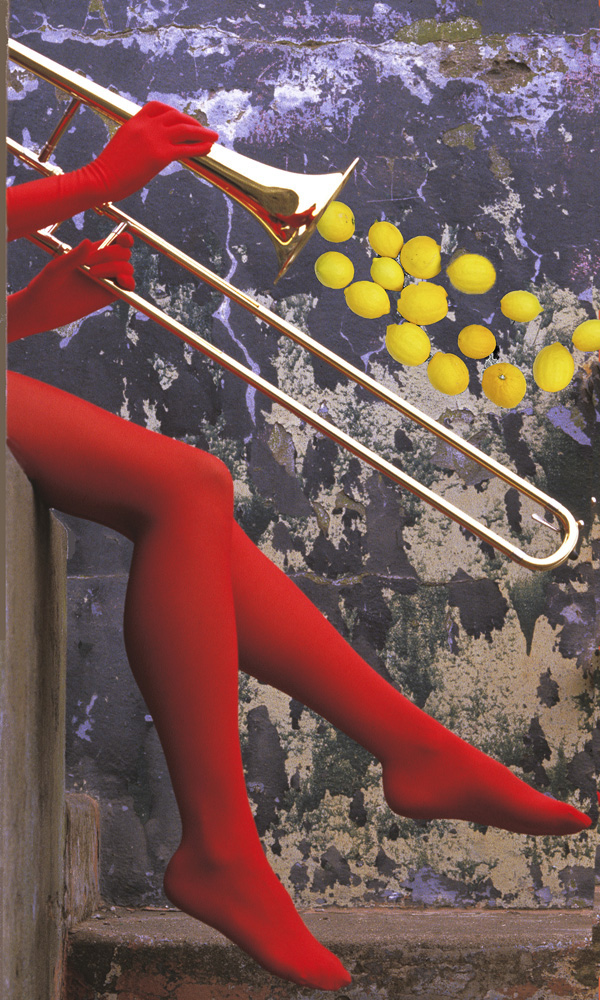
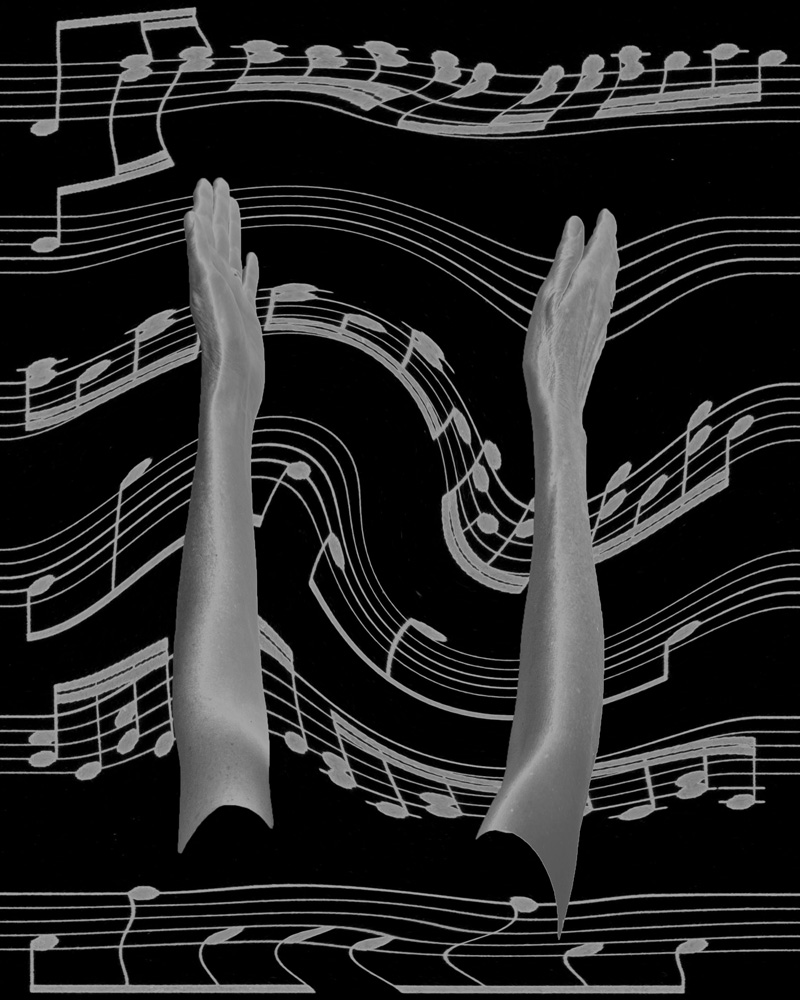
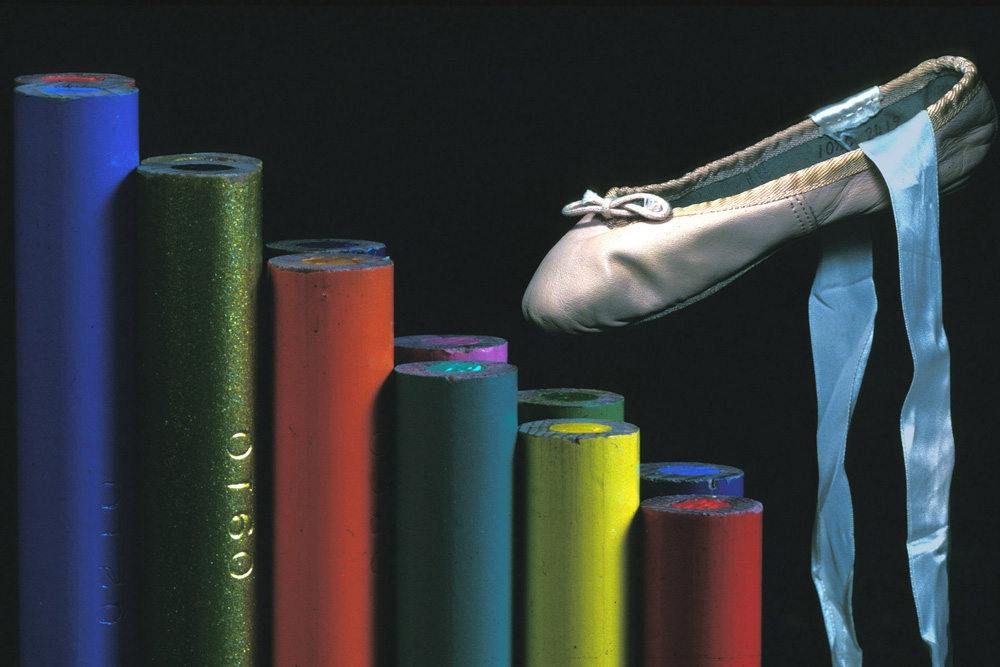
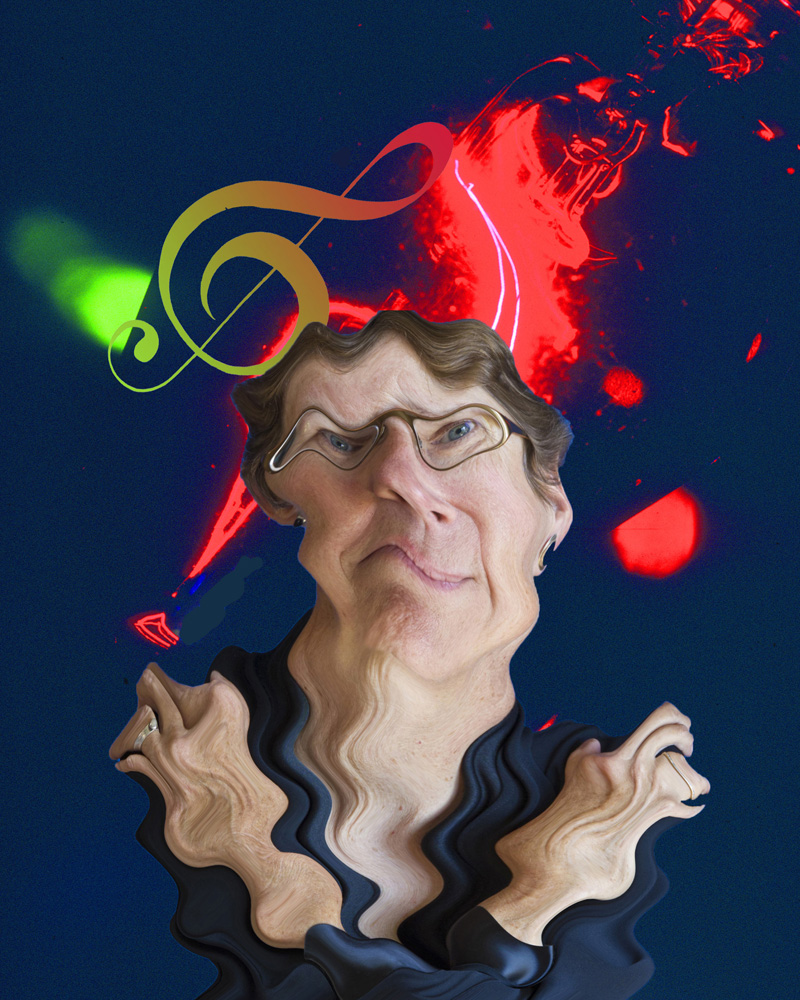
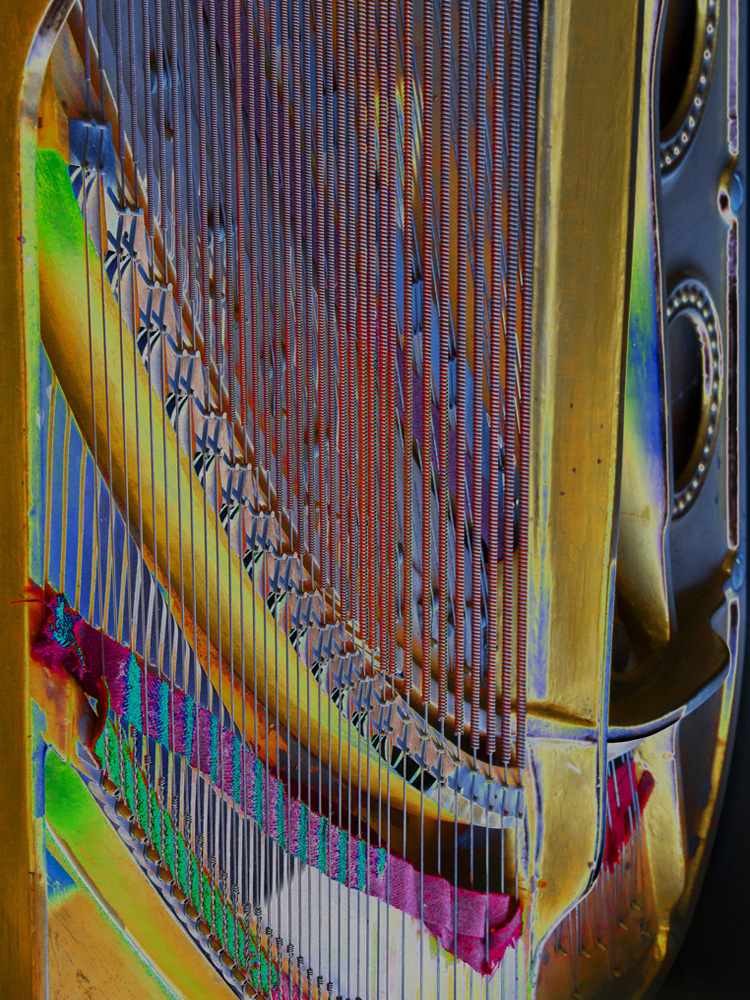
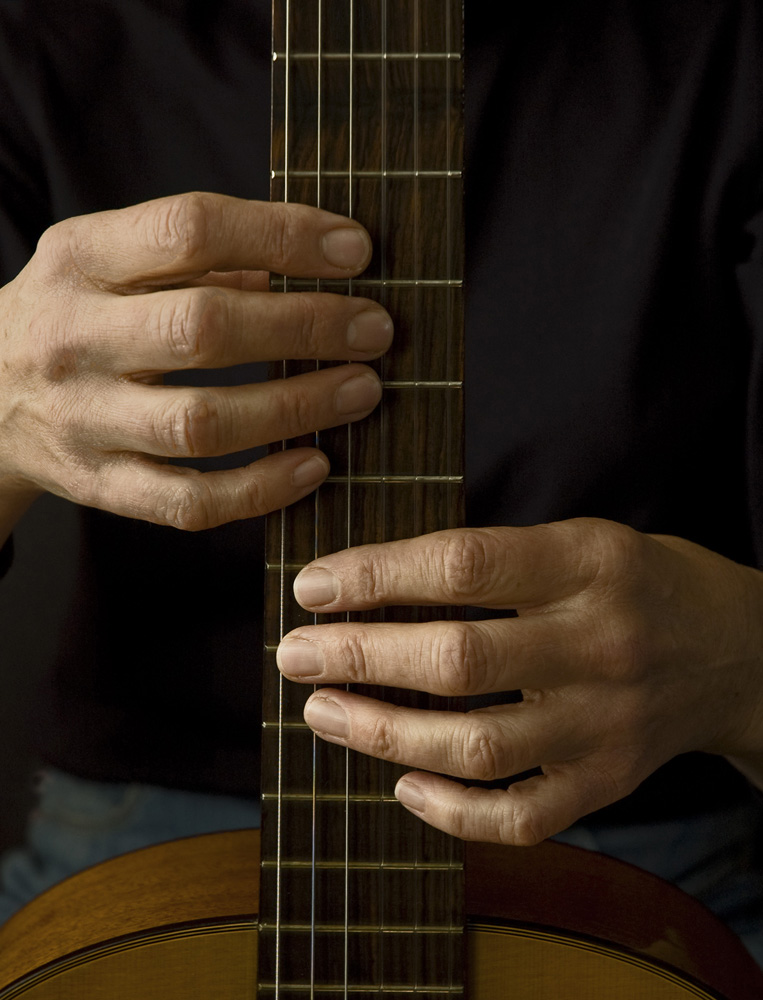
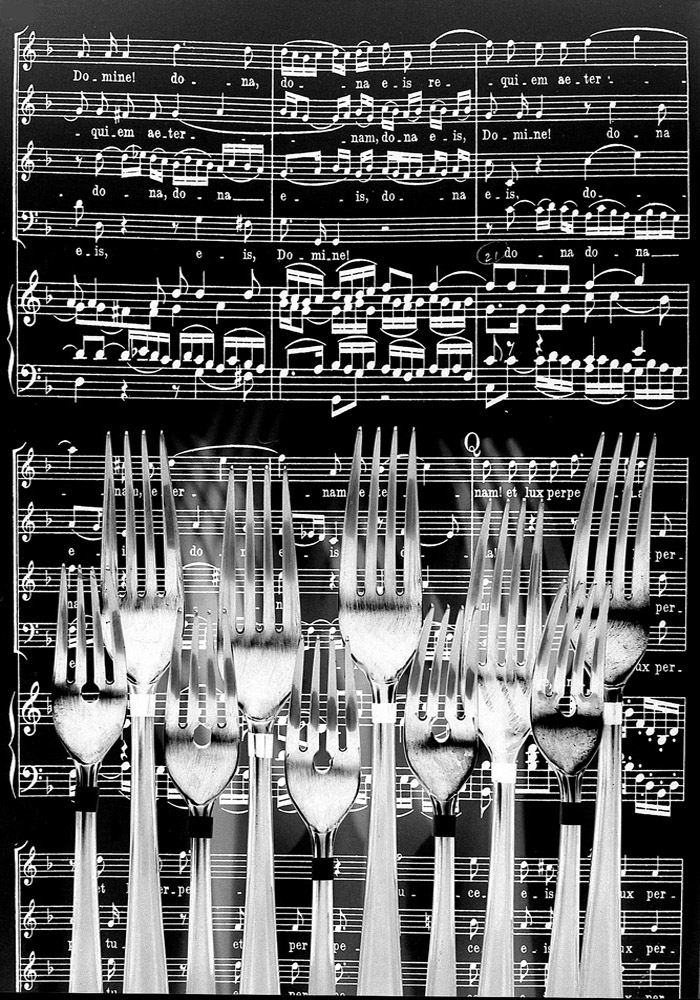
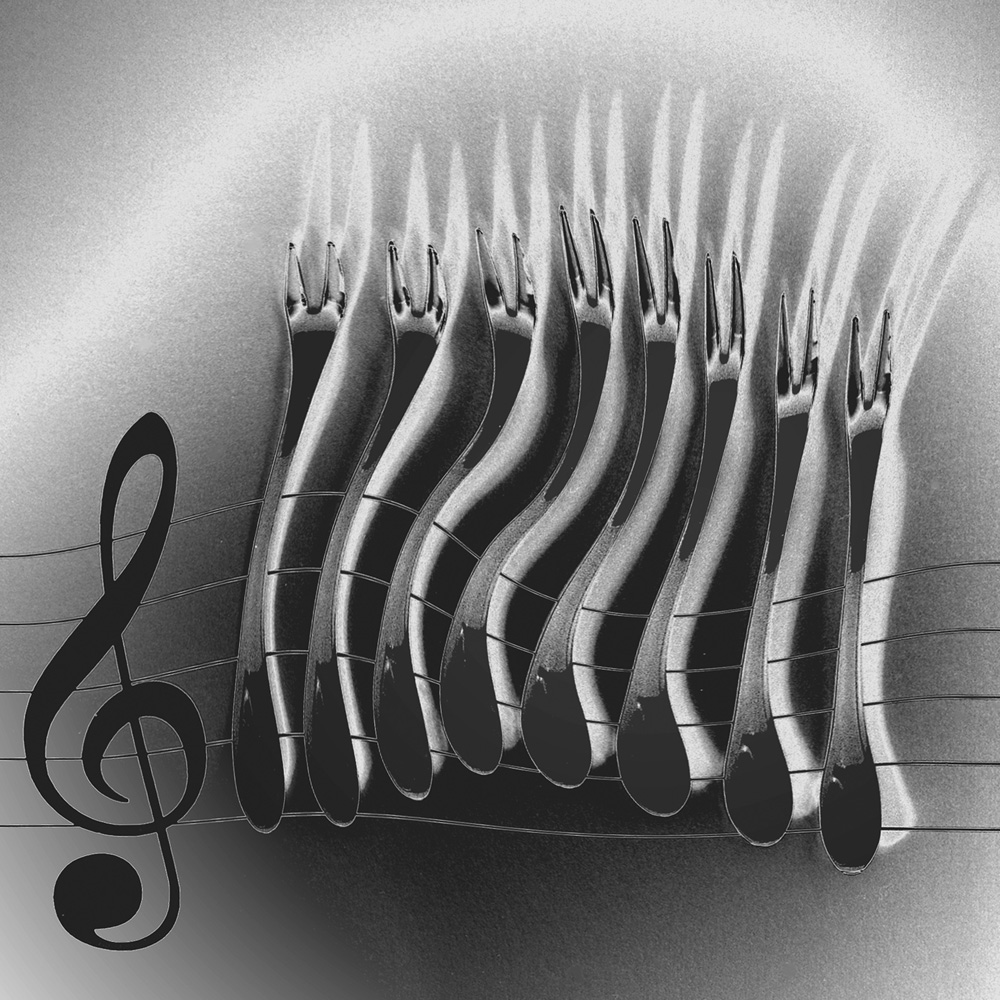
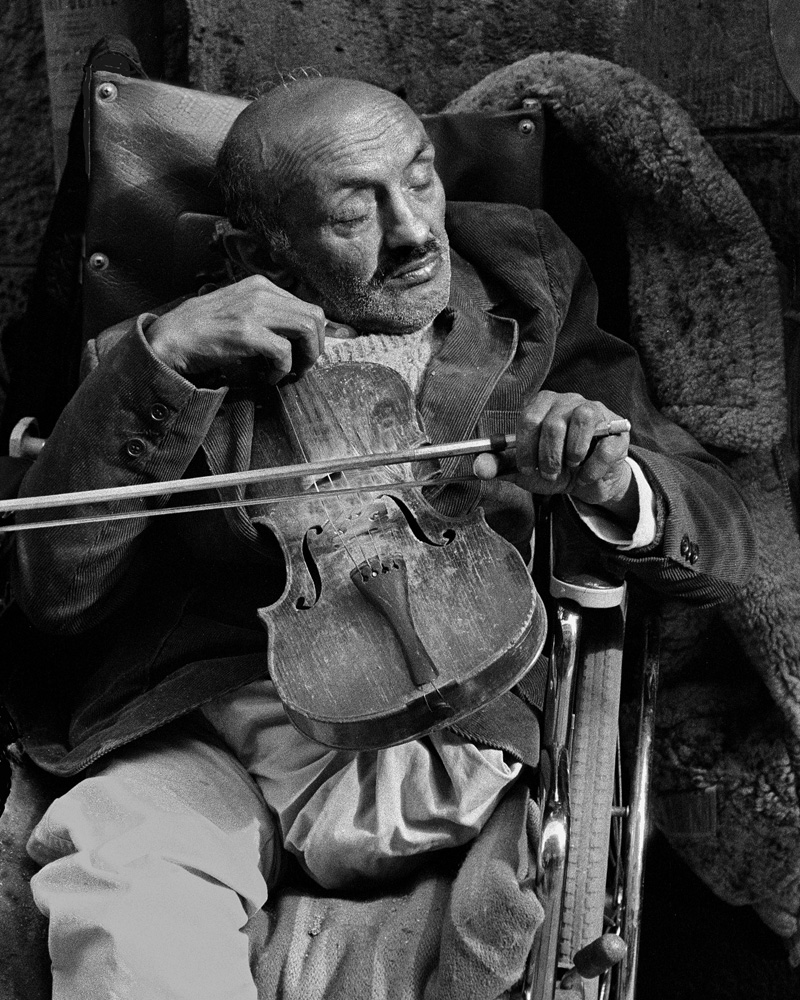
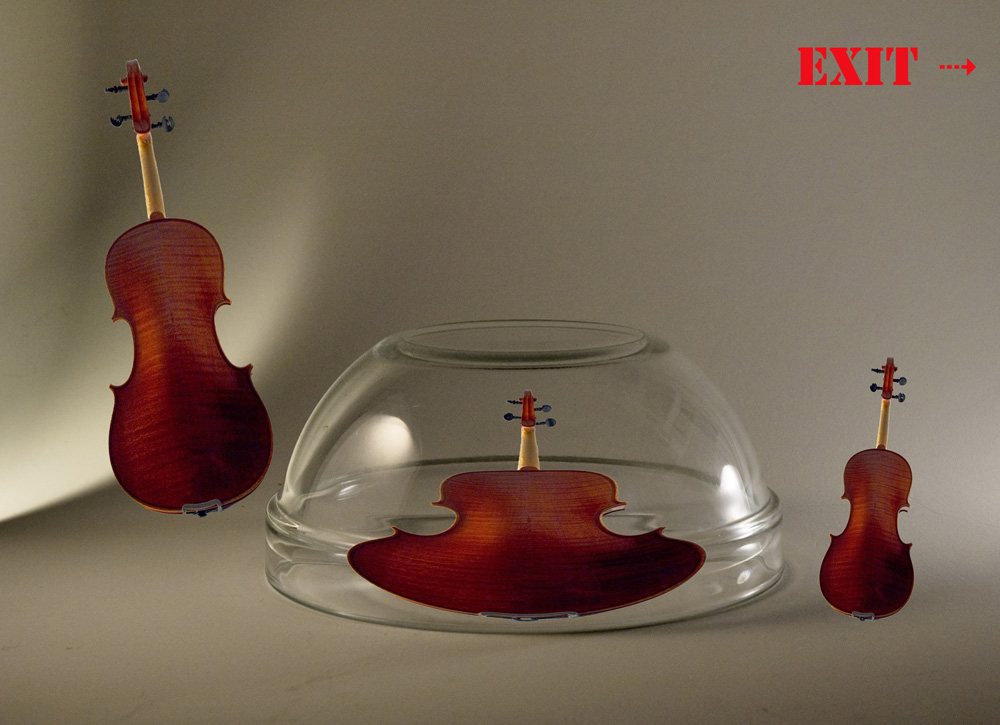
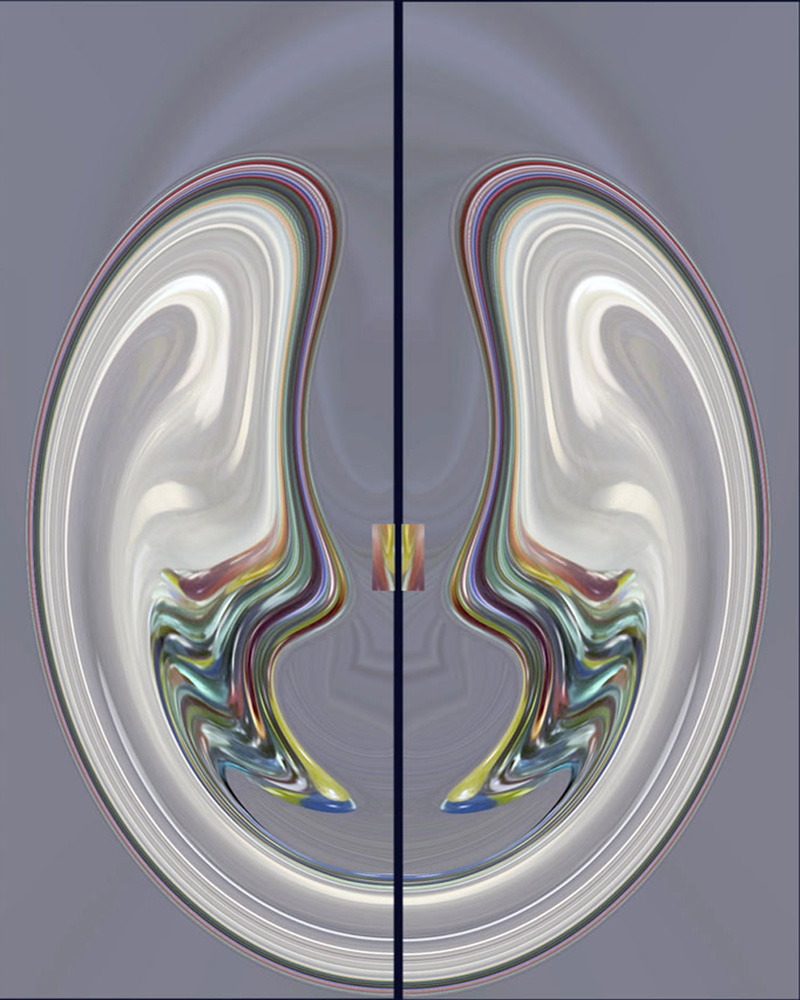
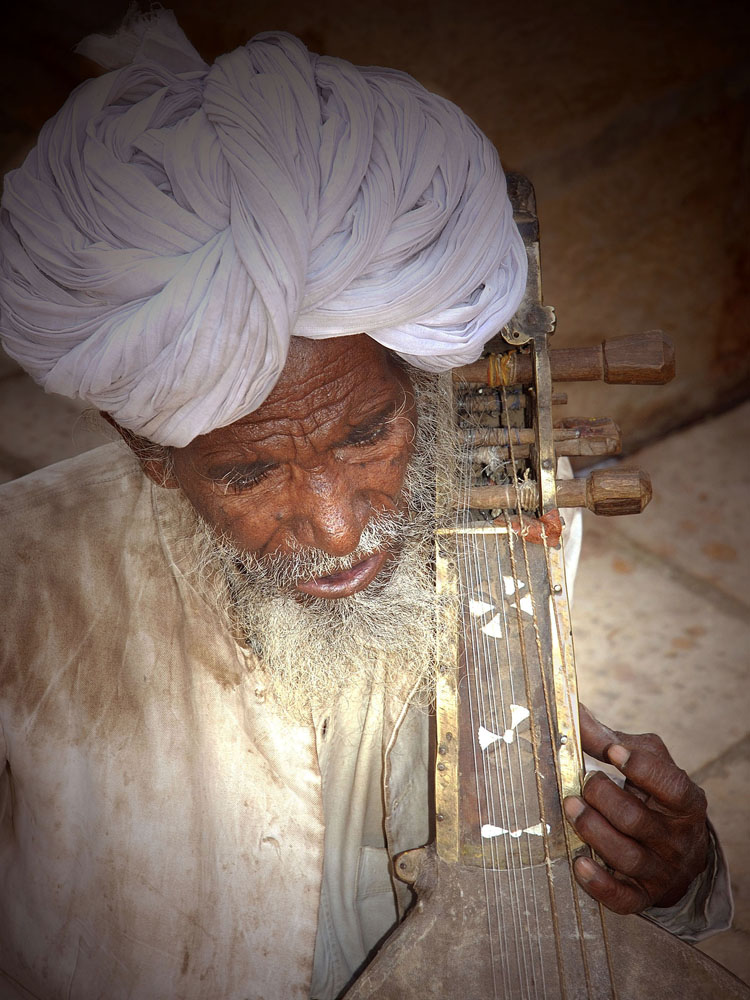
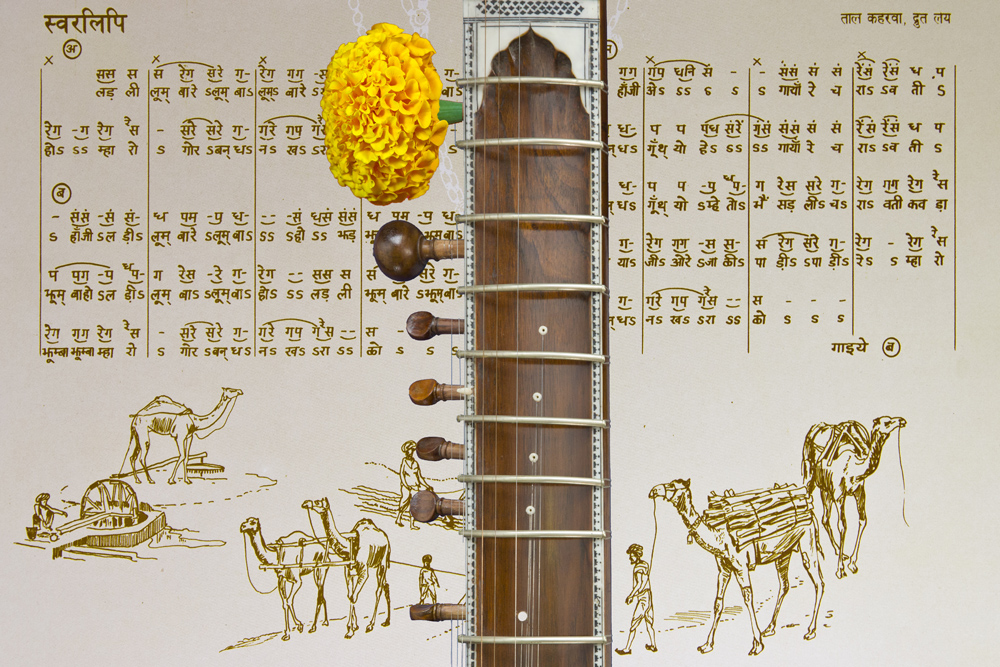
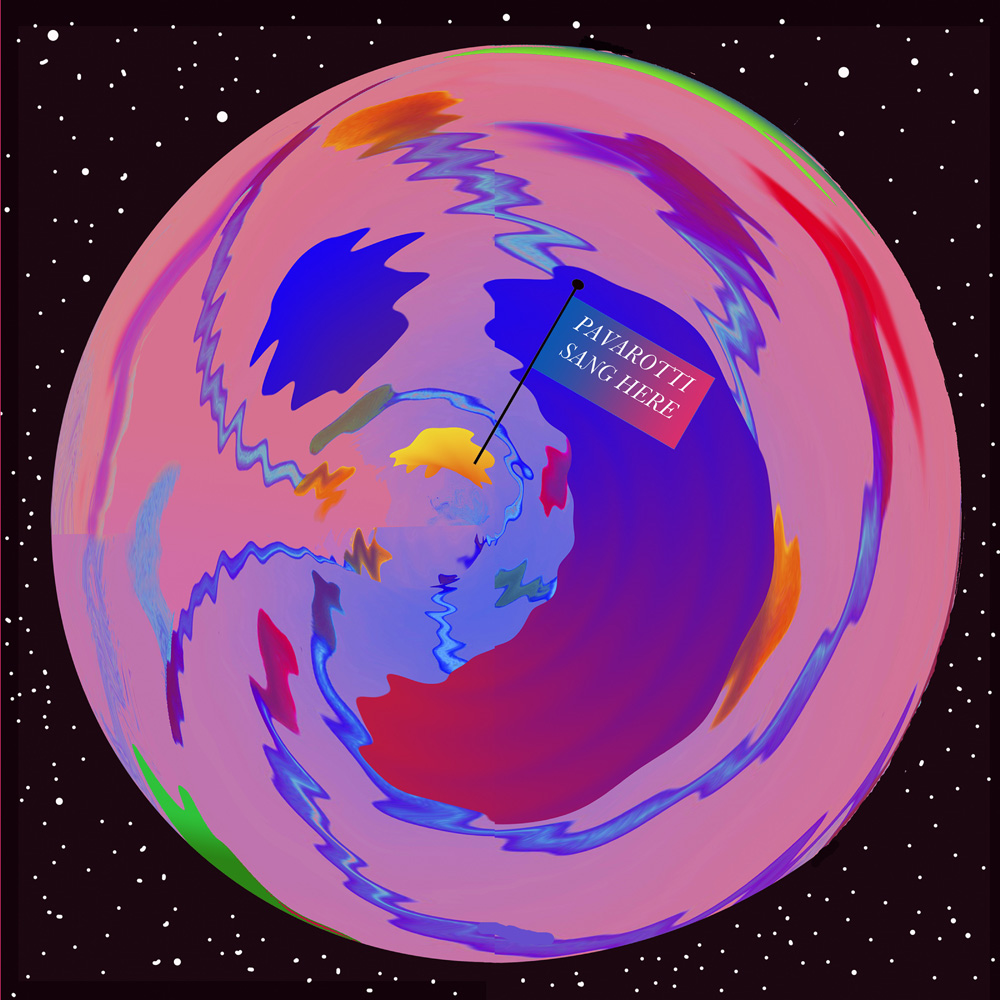
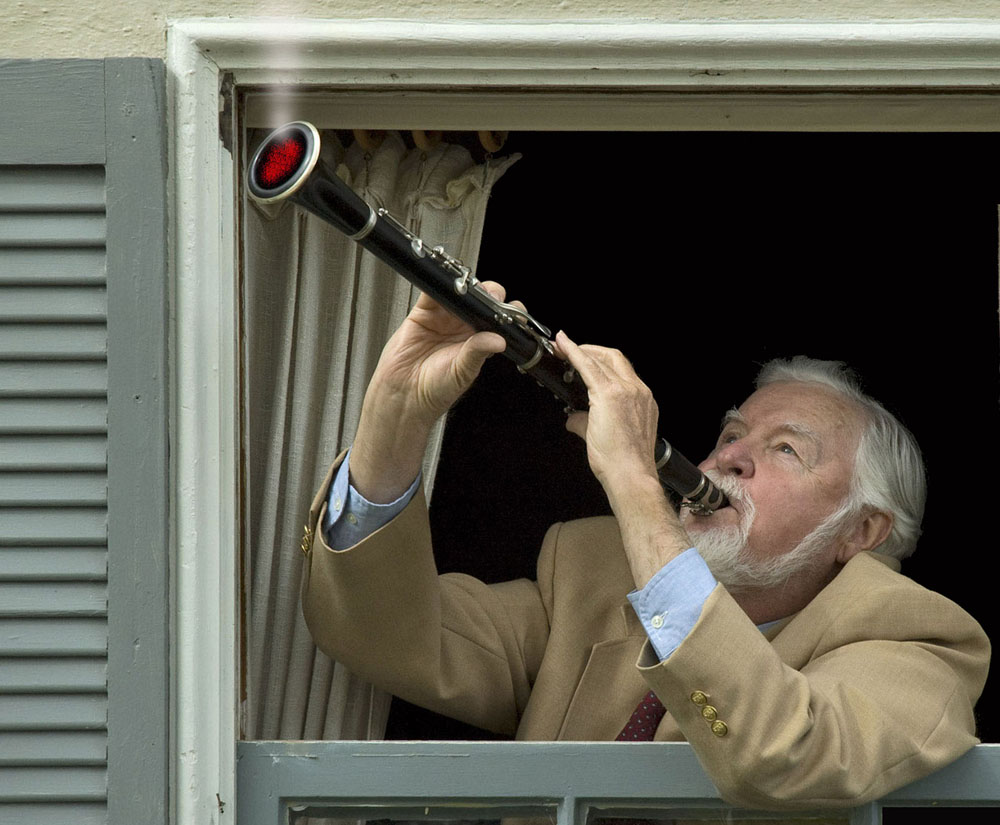
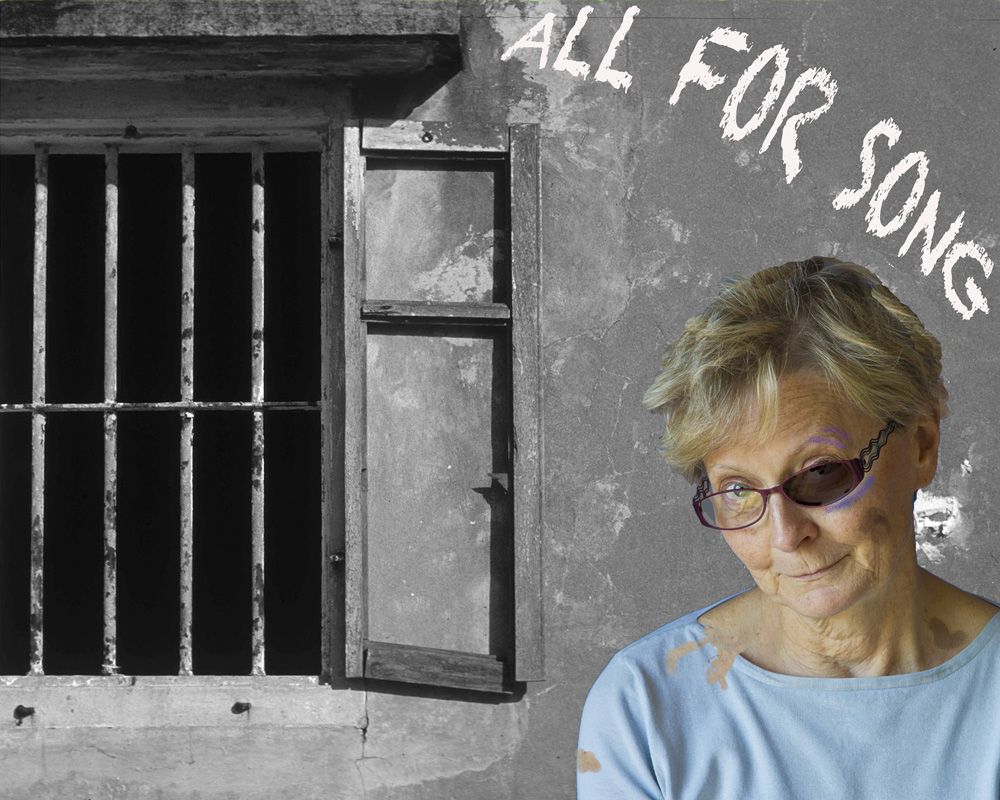
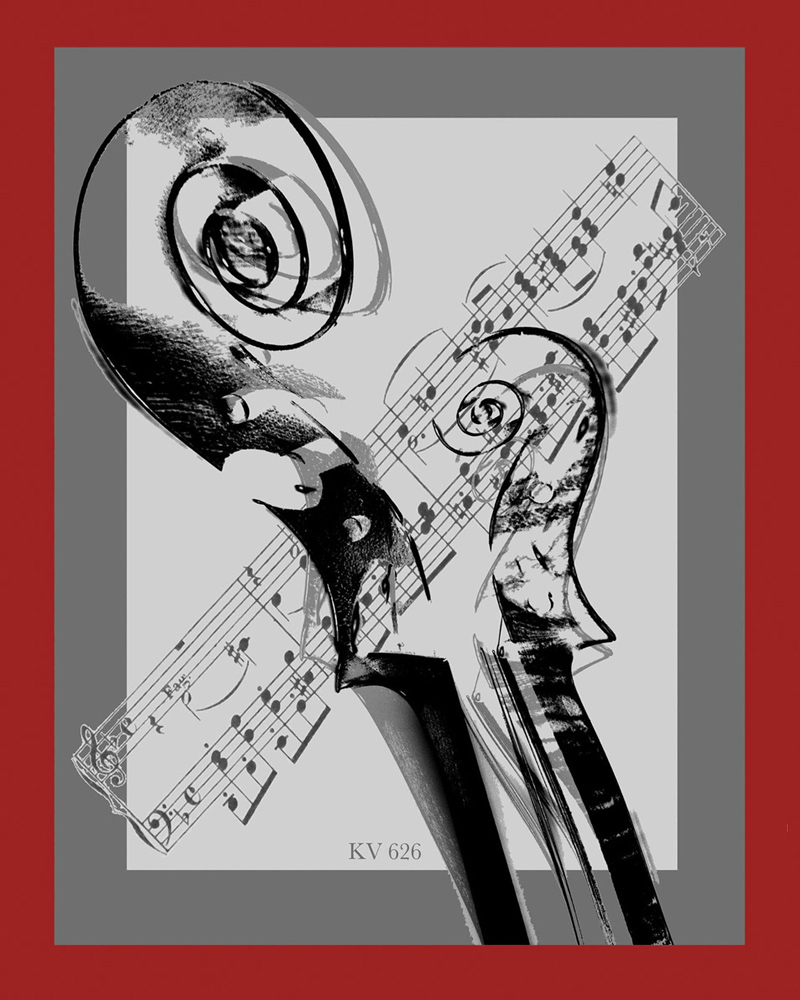
Conveying the essence of one medium through the instruments and aesthetics of another is a considerable challenge. In this portfolio of images, I have attempted, whenever possible, to go beyond picturing merely the instruments with which music is made, however appealing they may be, to try and give the visual illusion of musicality.
Walter Pater, who in 1868 became a Fellow of Brasenose College, Oxford, where he tutored the young Oscar Wilde, wrote “All art aspires constantly to the condition of music.” Music seems to have generously shared a number of terms with which to define, possibly judge, other art forms, including painting and photography: composition, coloration, balance, harmony, sometimes disharmony, cacophony, interval (as negative space), crescendo (as emphasis), narrative, surprise and perhaps more.
There is no need to emphasize the immense power of music to move emotions while stimulating the intellect. Even as it is ephemeral, the power of music invades our senses, and remains as real as physical works of art. The sensual, intellectual memory of music is, in the most important way, just as real as the Sachlichkeit of the graphic arts. Is there an easy way to distinguish the effects of a magnificent artwork in a museum and a magnificent musical performance? Perhaps not.
True, the artwork remains on the gallery wall (for a time, anyway) and is readily available to visit, while the sound of a concert dies away. We can be consoled, however, by repeated performances and recordings. Recording technology has become more sophisticated with the passage of time. But then, it often requires an exercise of memory and the passage of time to develop our own more sophisticated tastes in both media. Just as performances of the same music differ, perhaps our visual sense and intellectual grasp may well discern different meanings each time we view a familiar artwork.