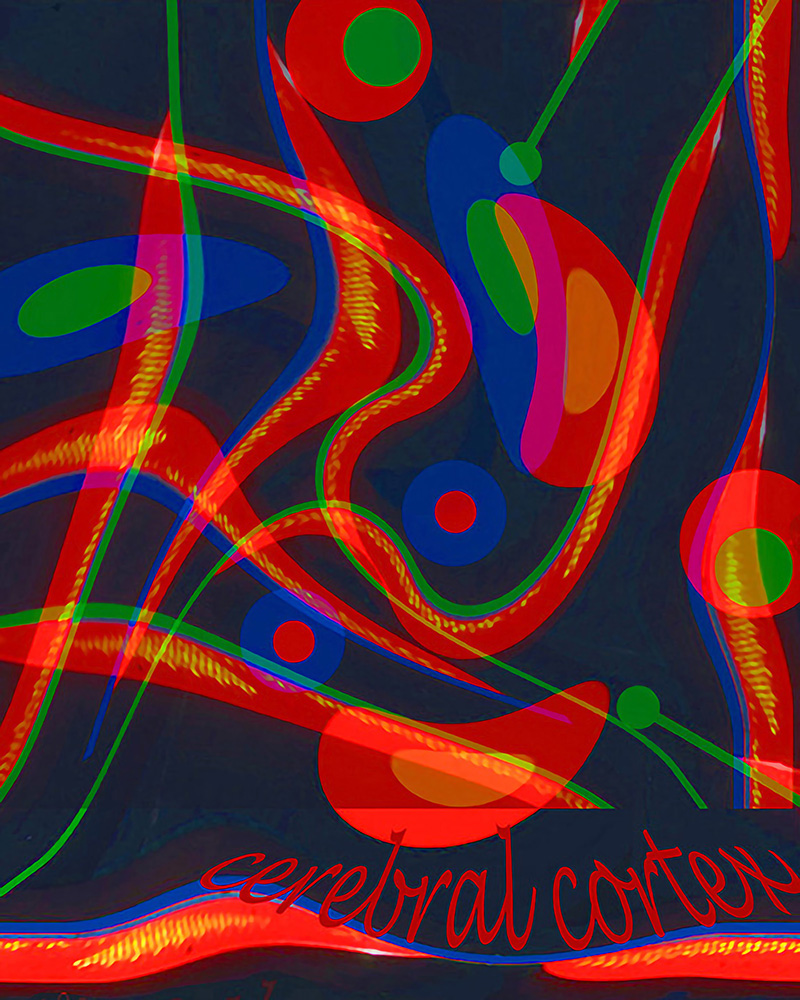
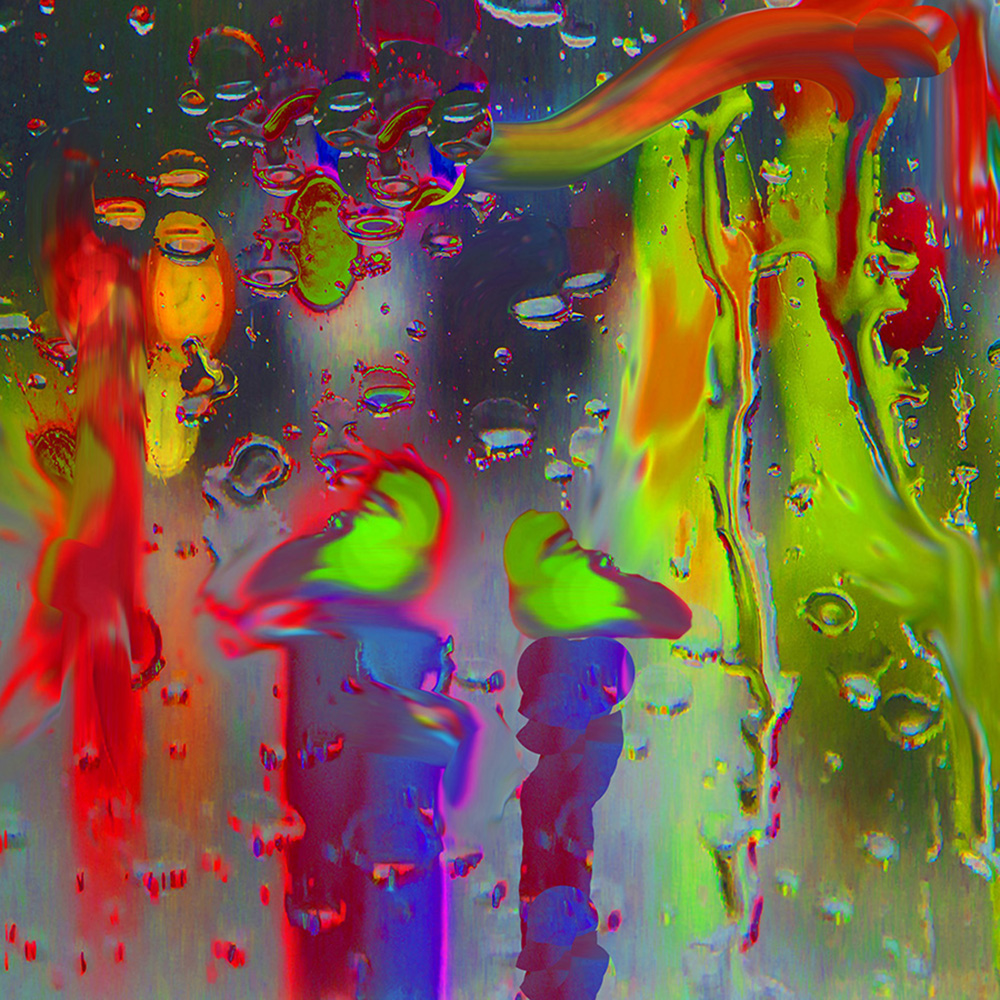
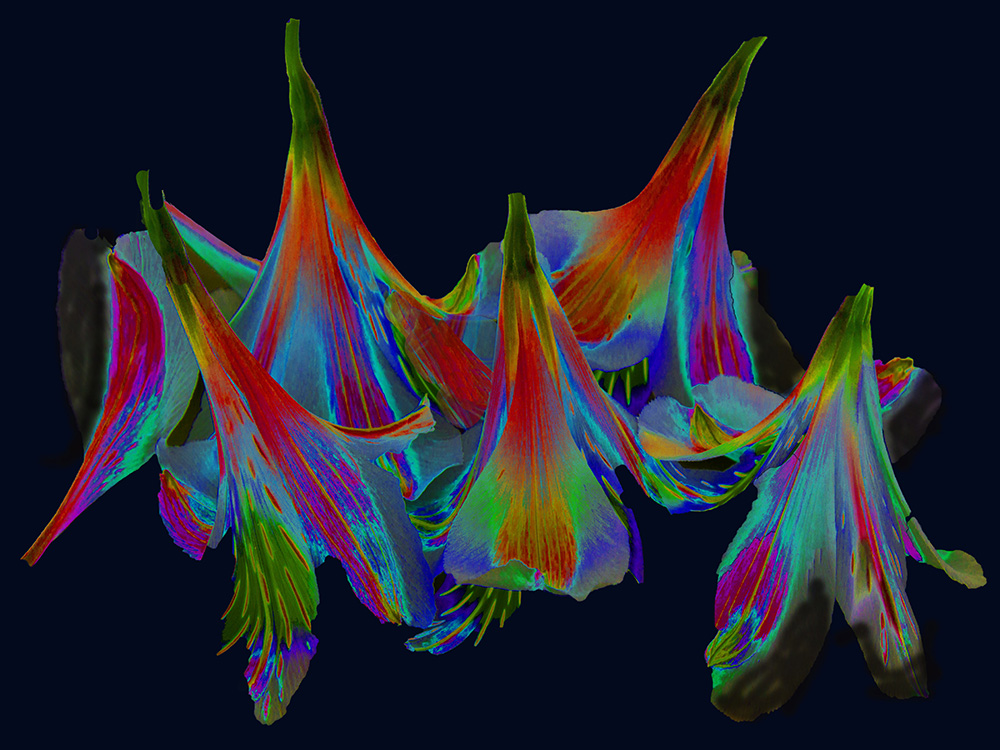
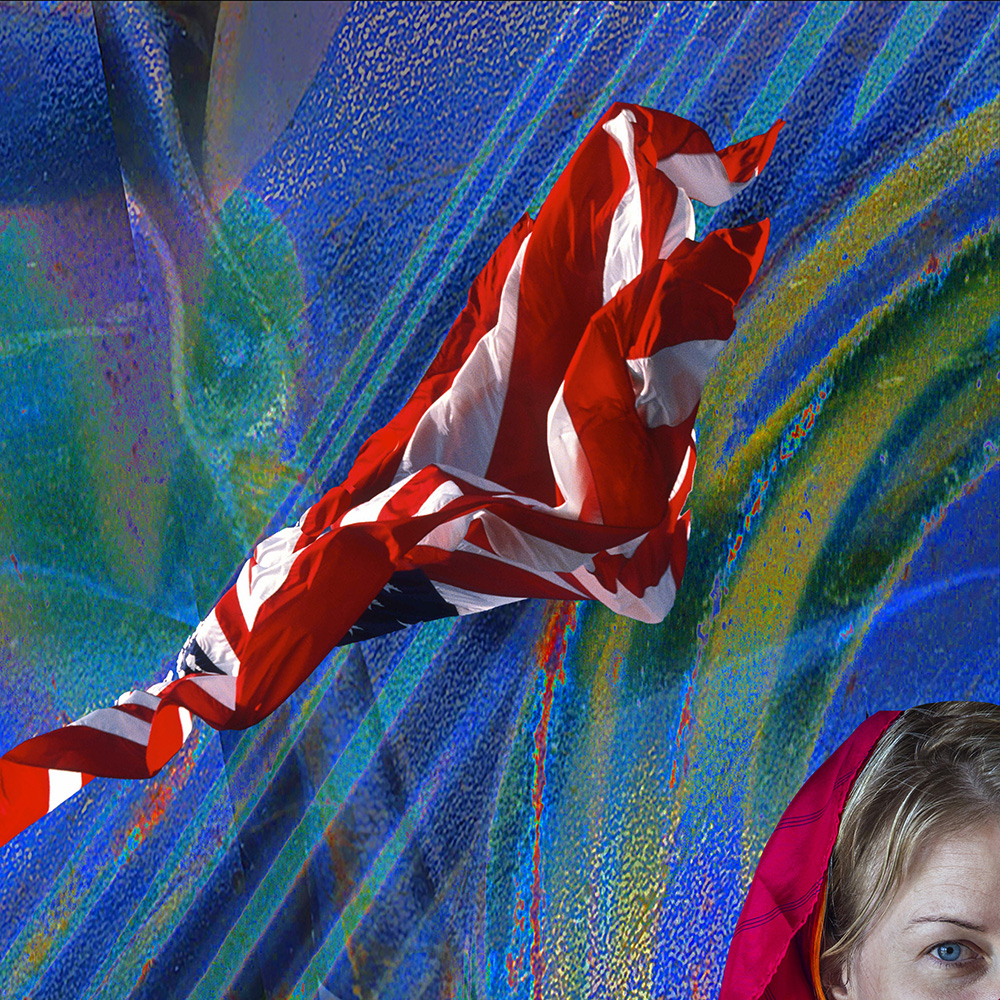
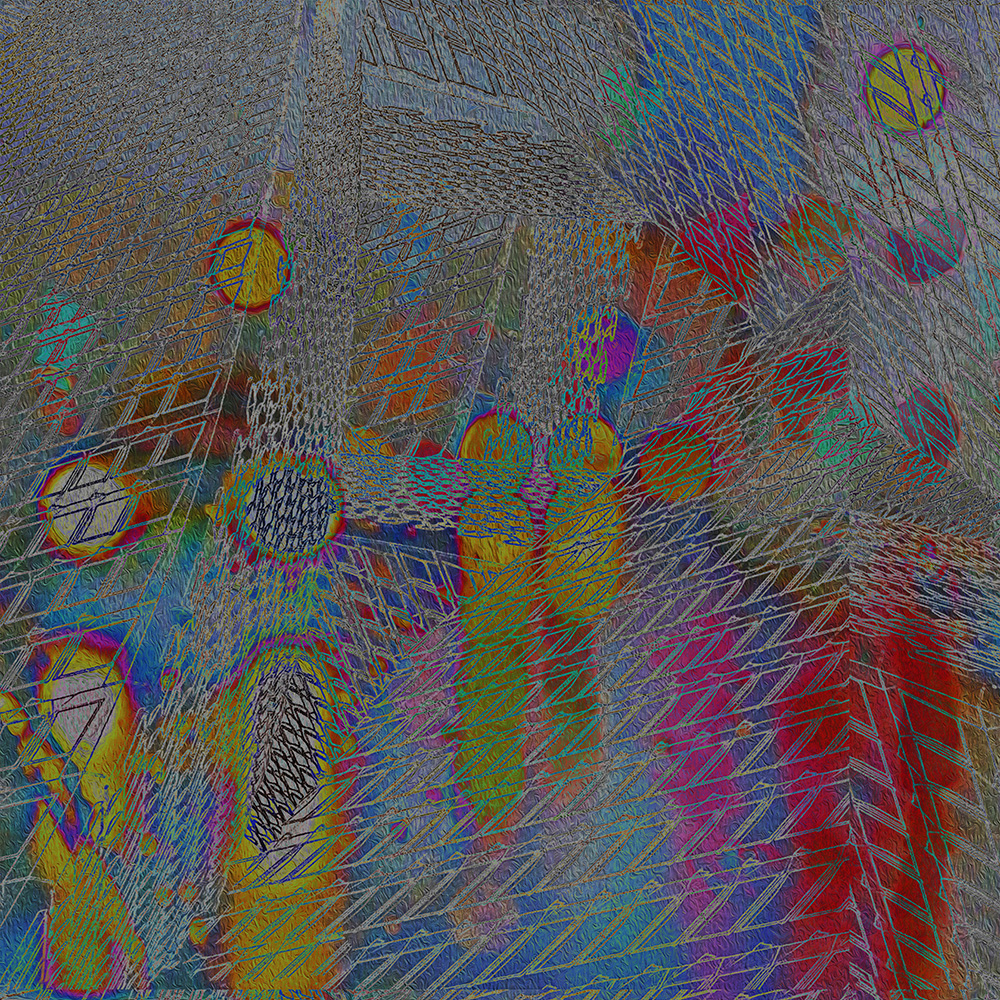
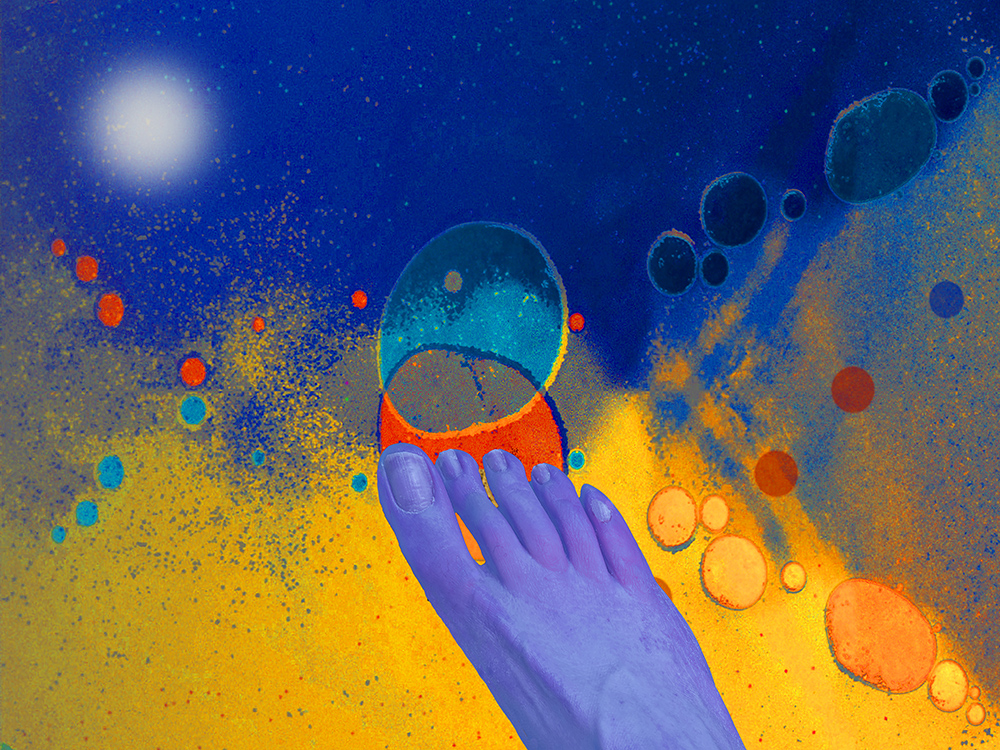
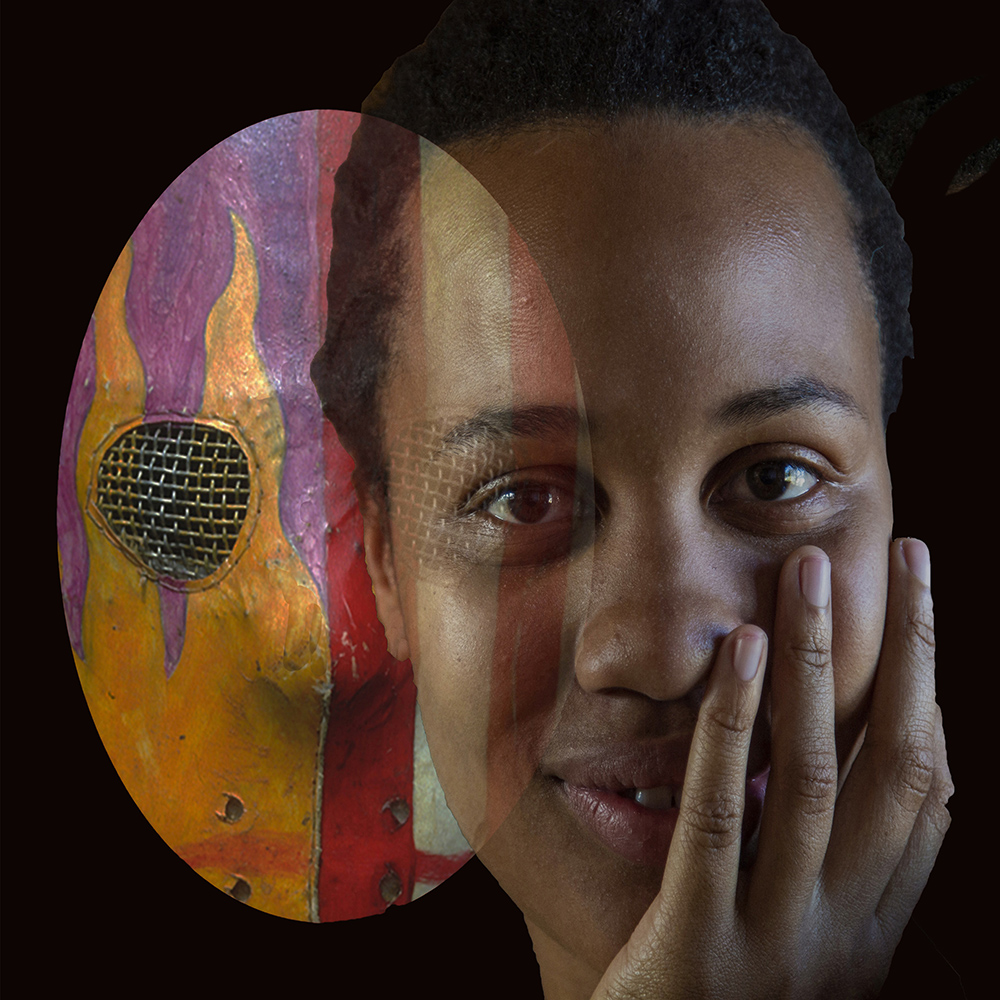
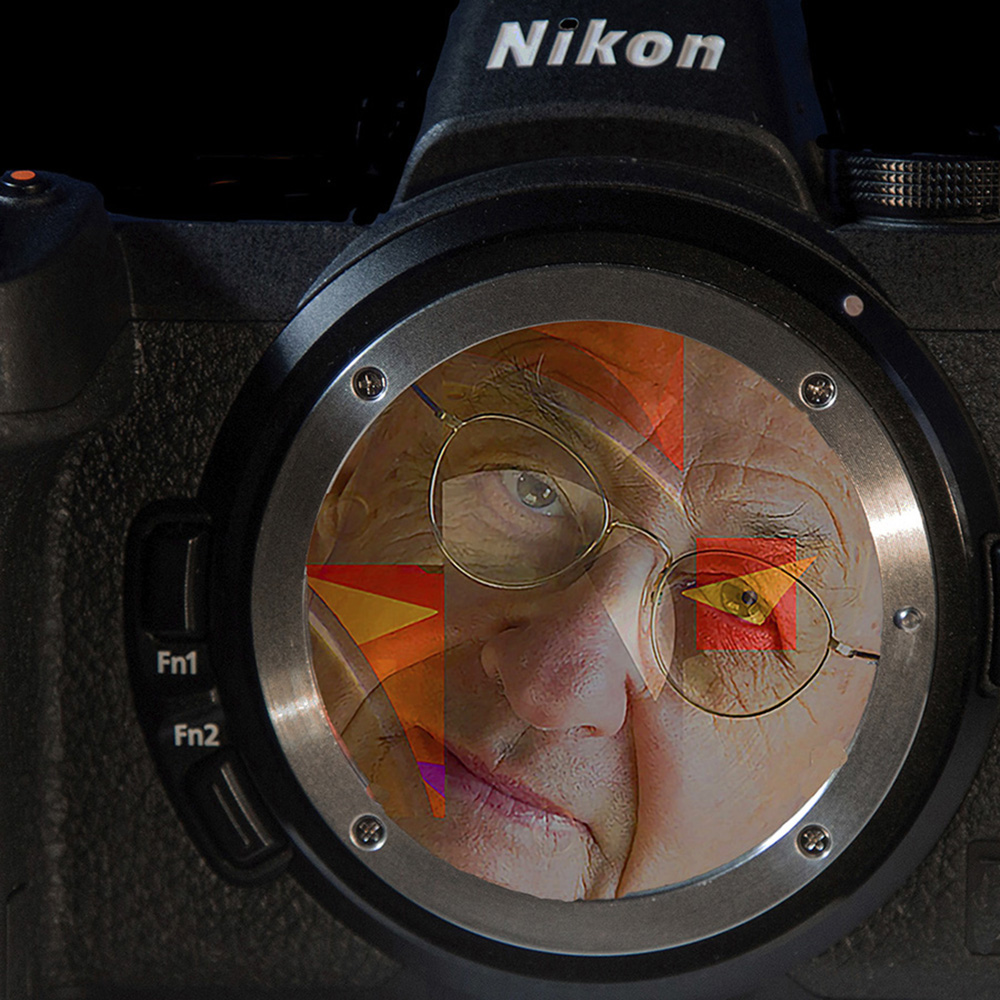
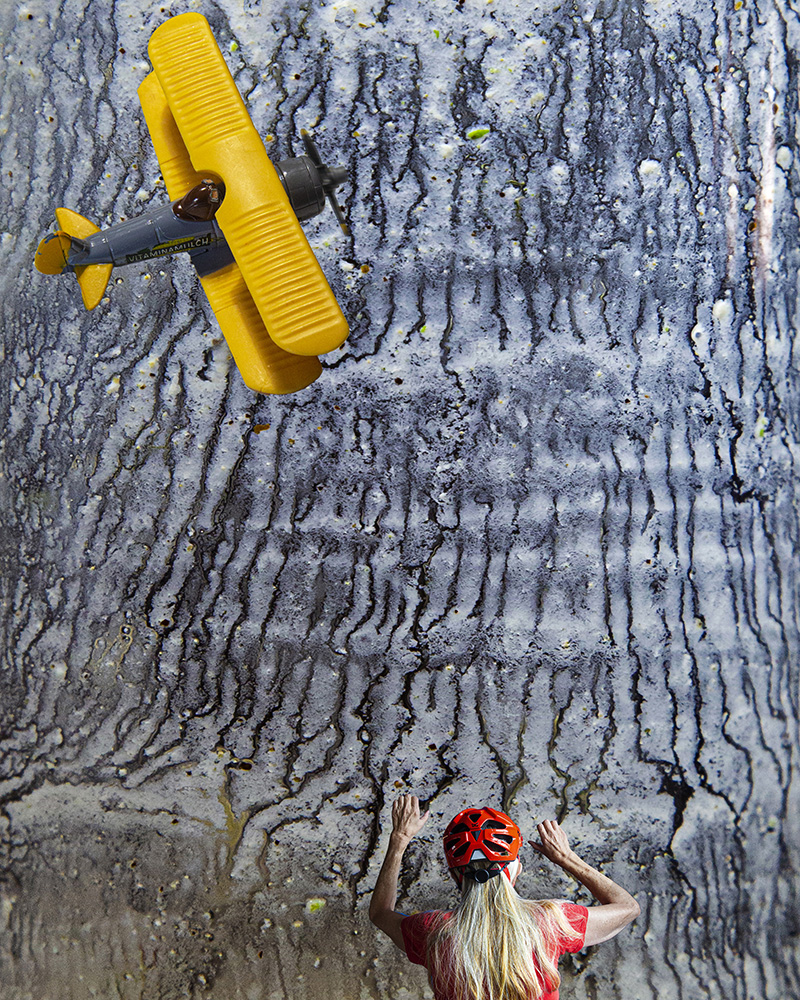
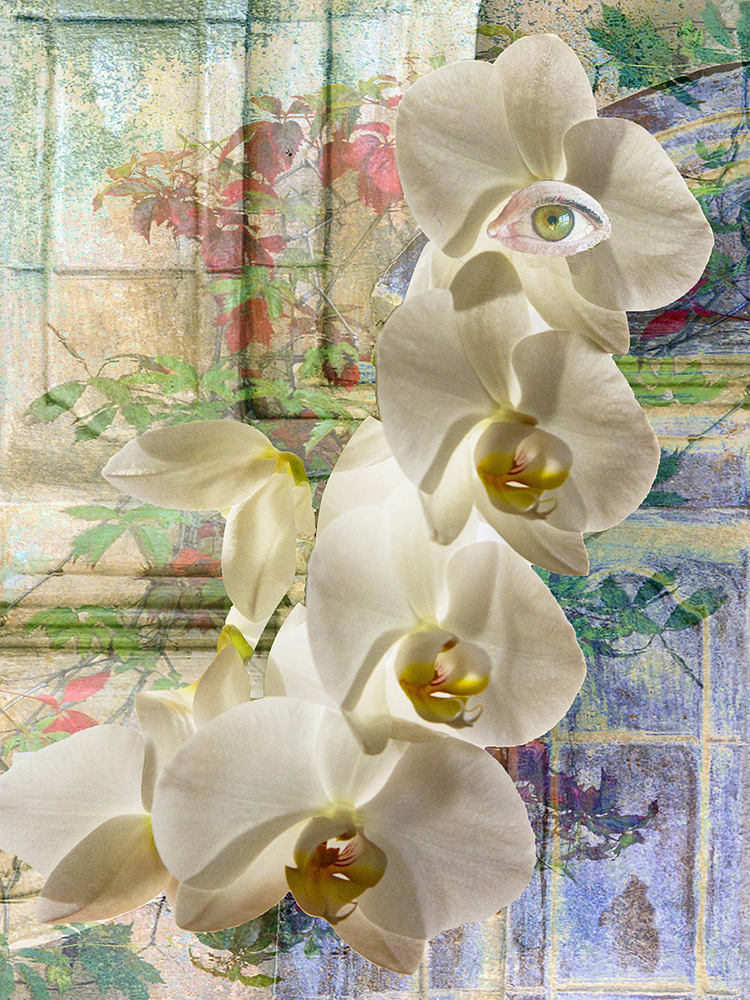
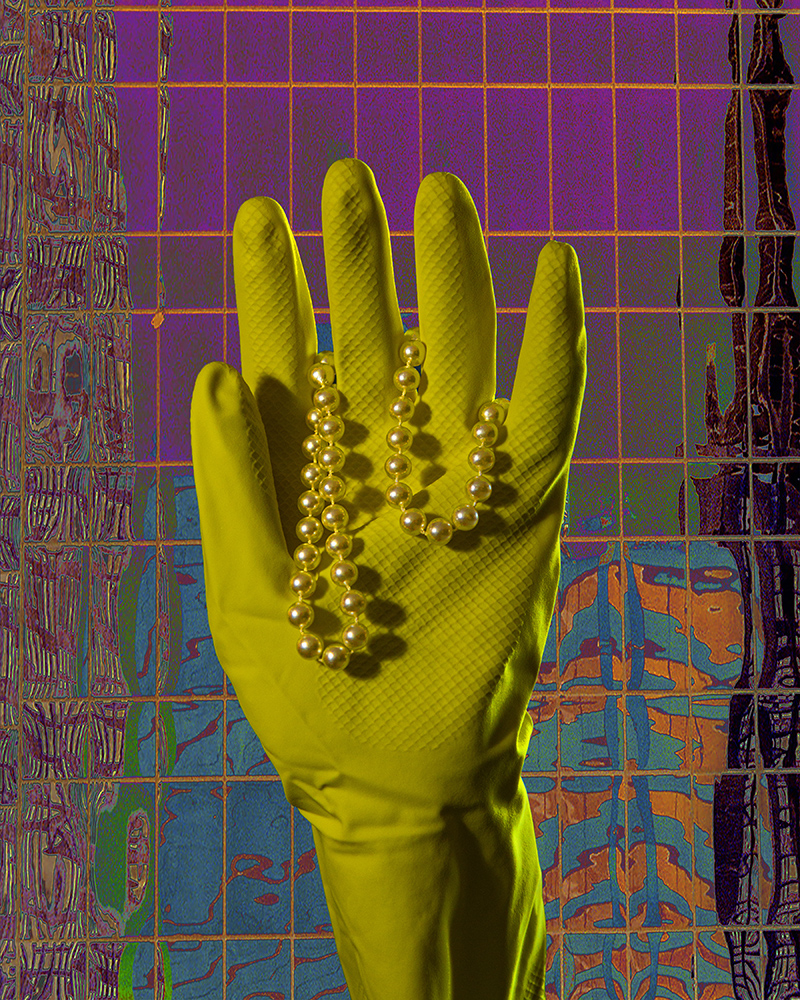
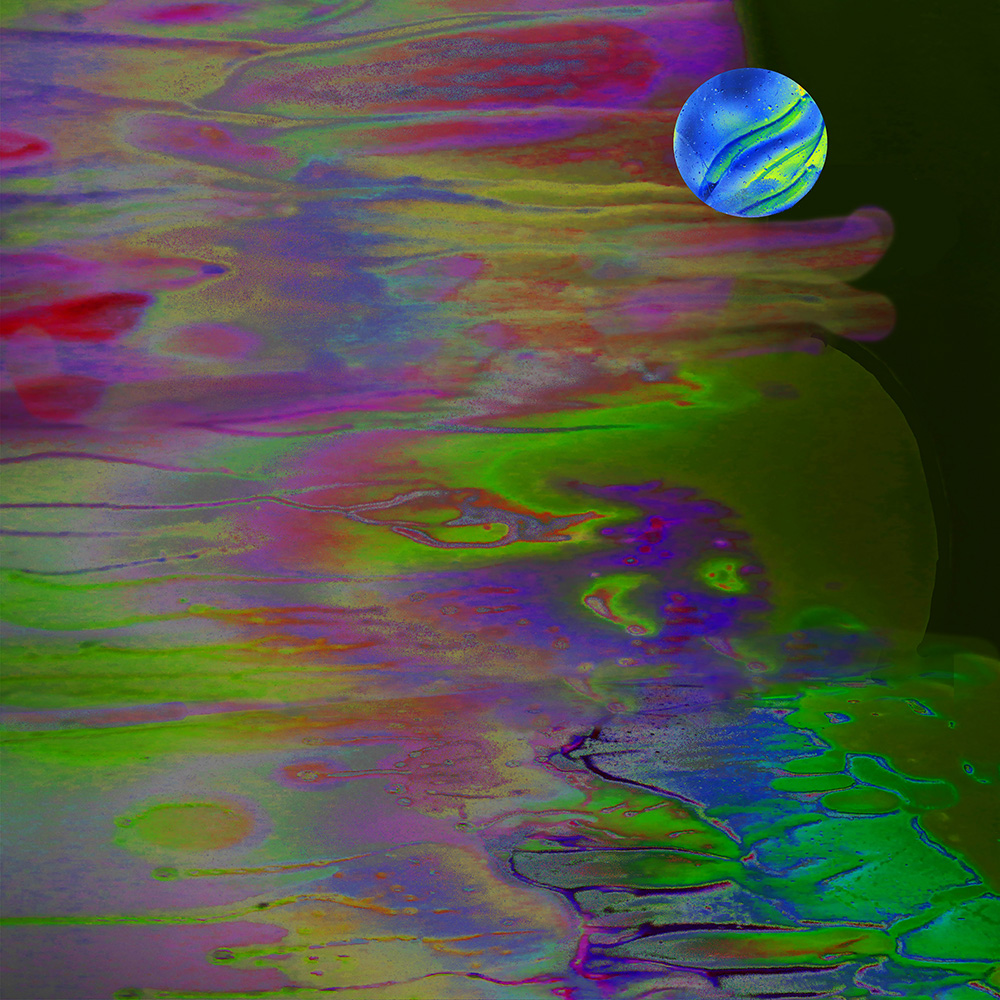
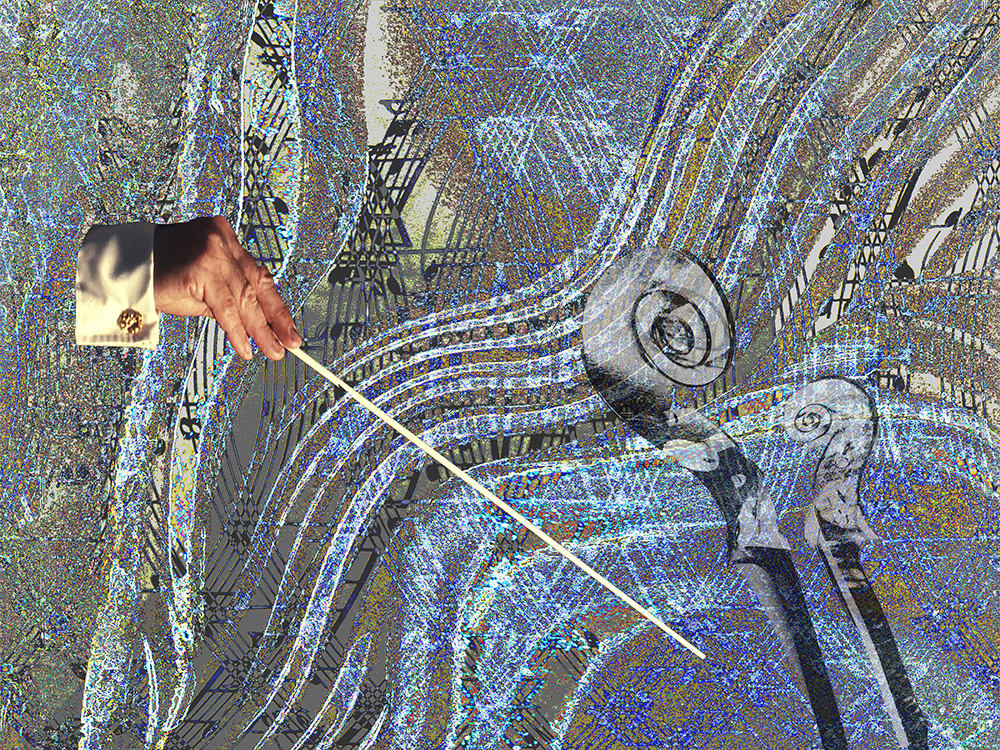
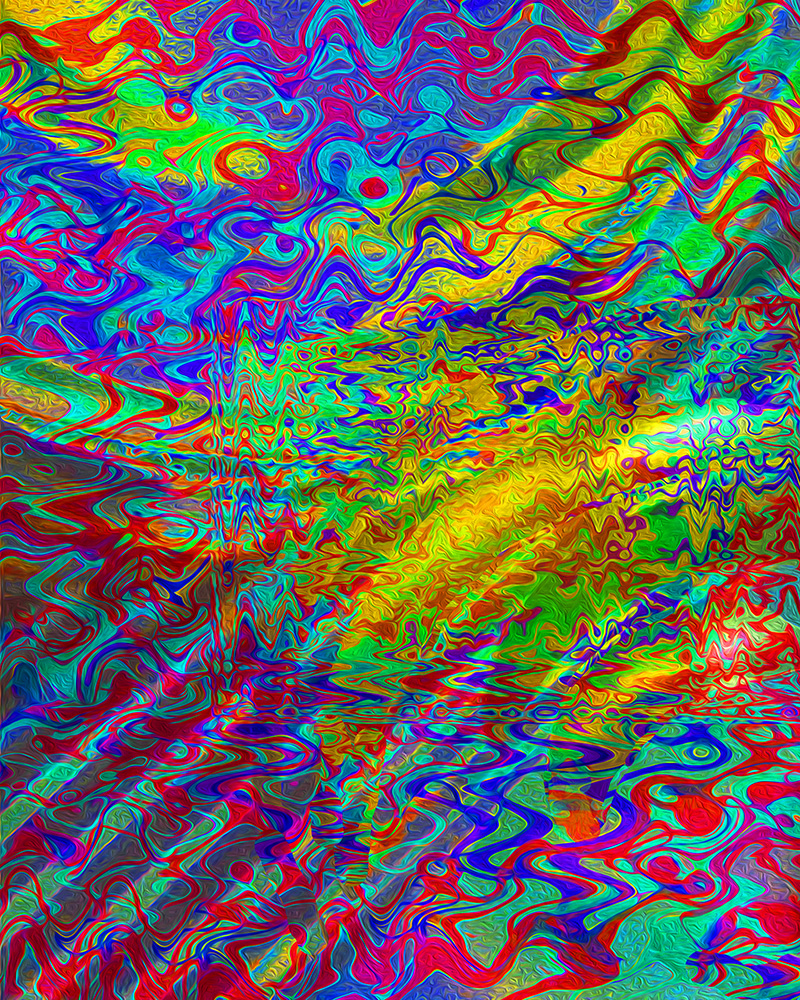
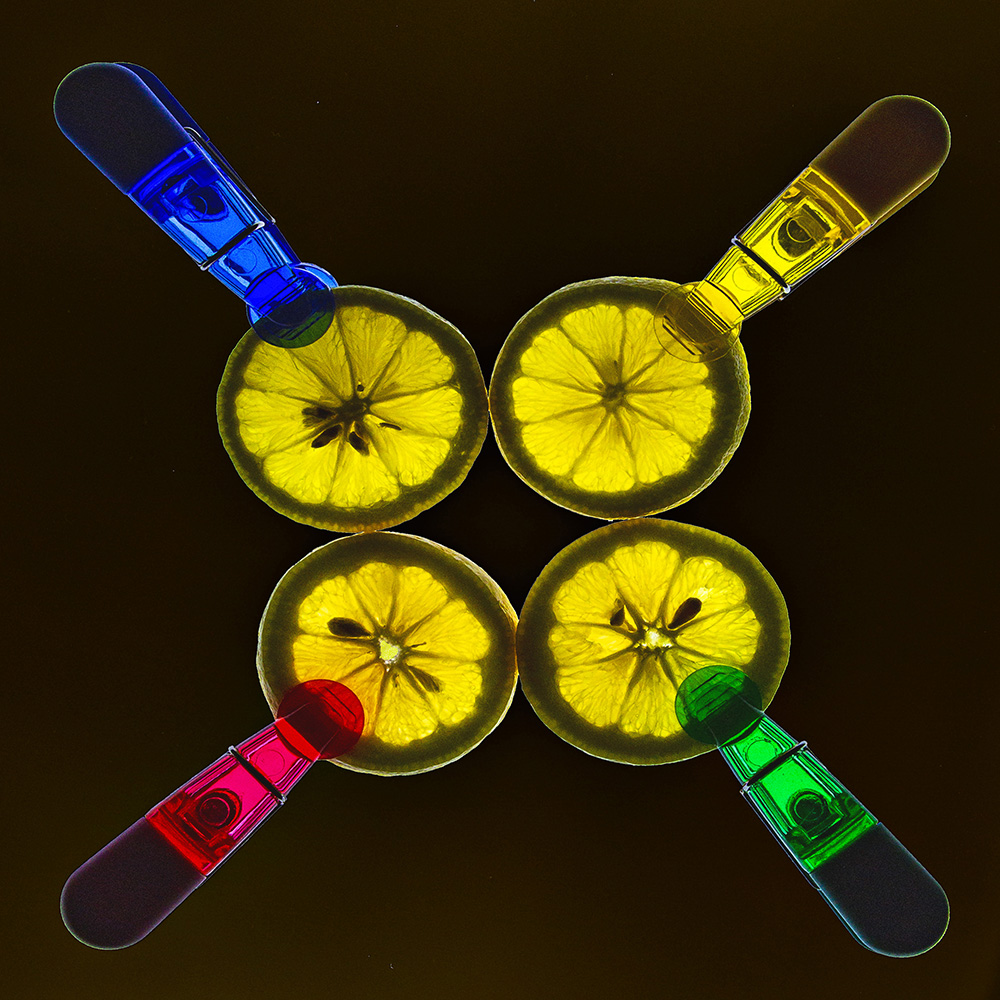
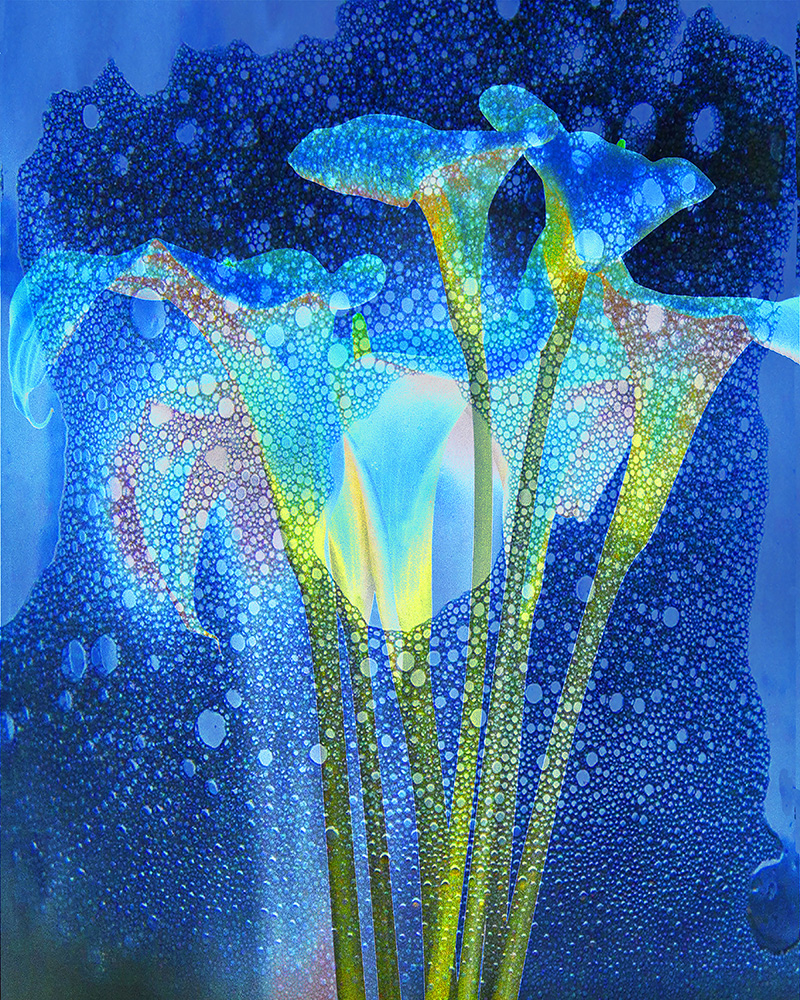
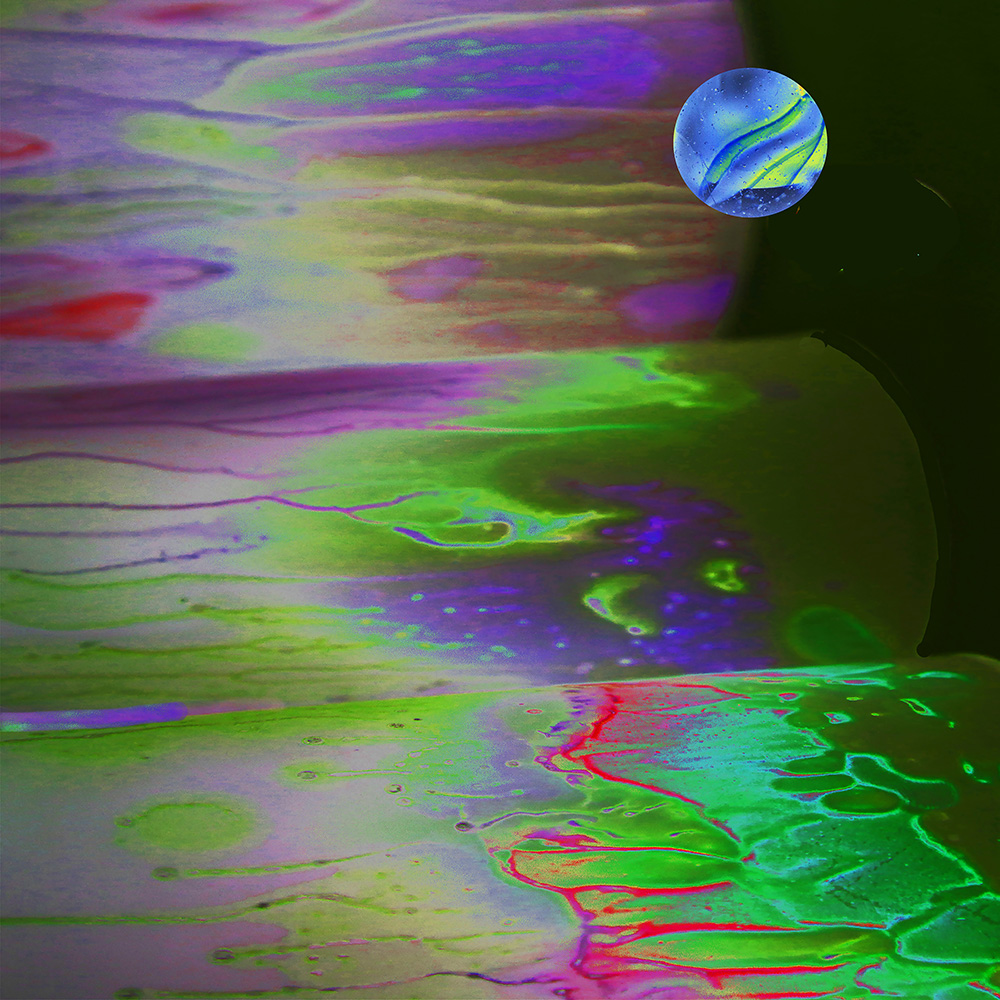
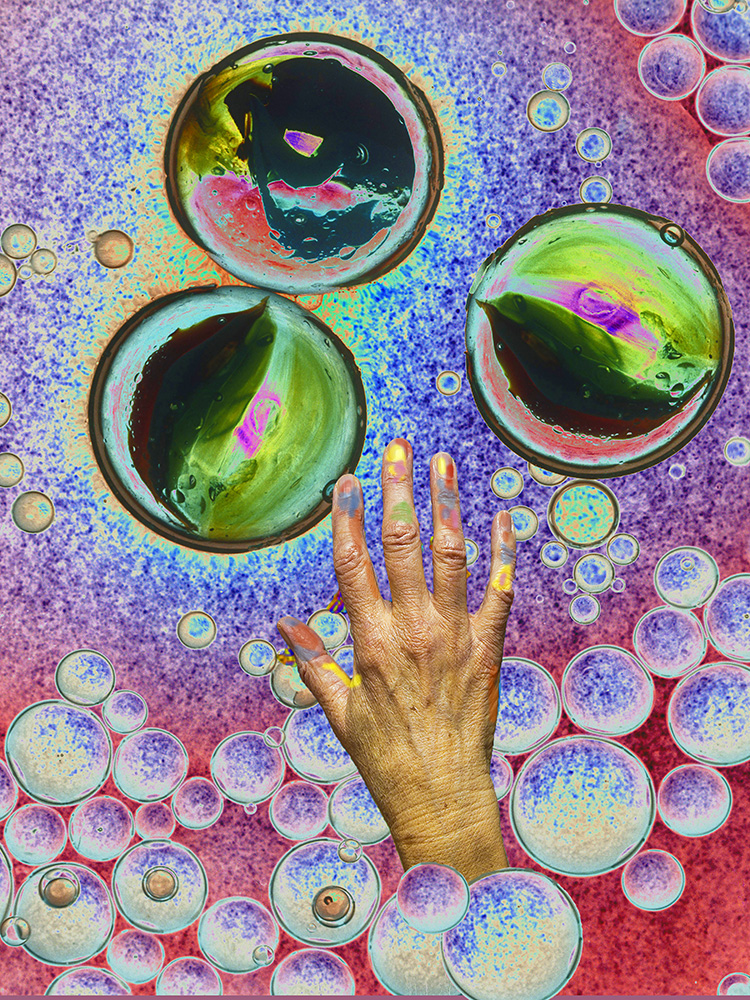
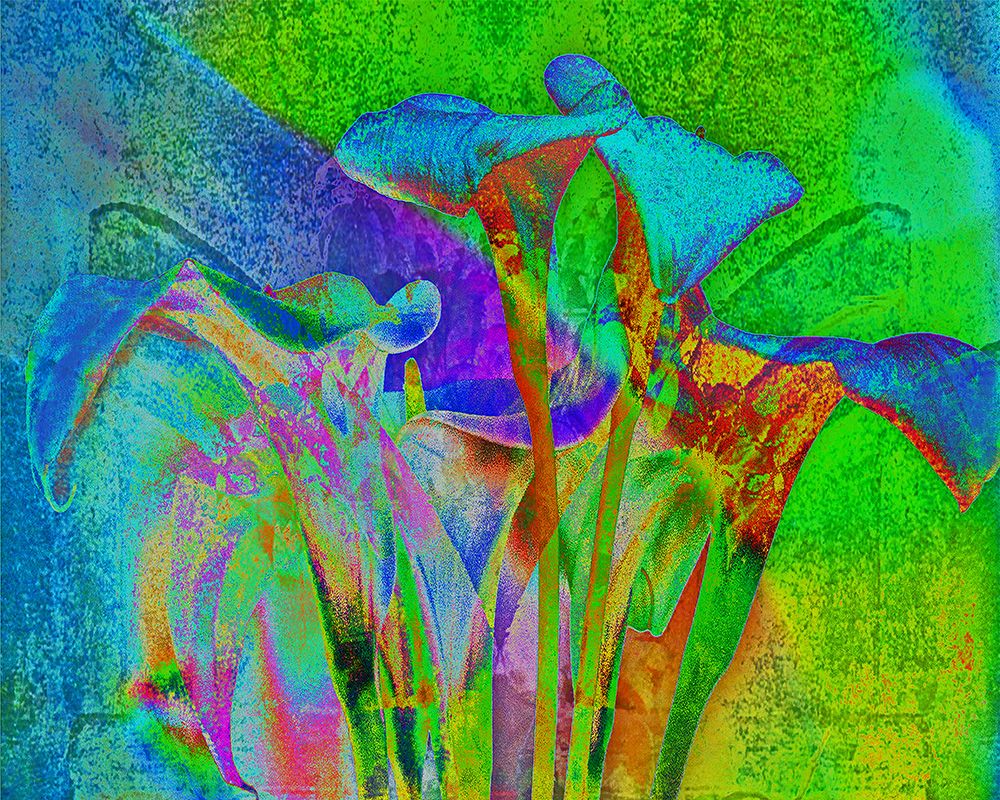
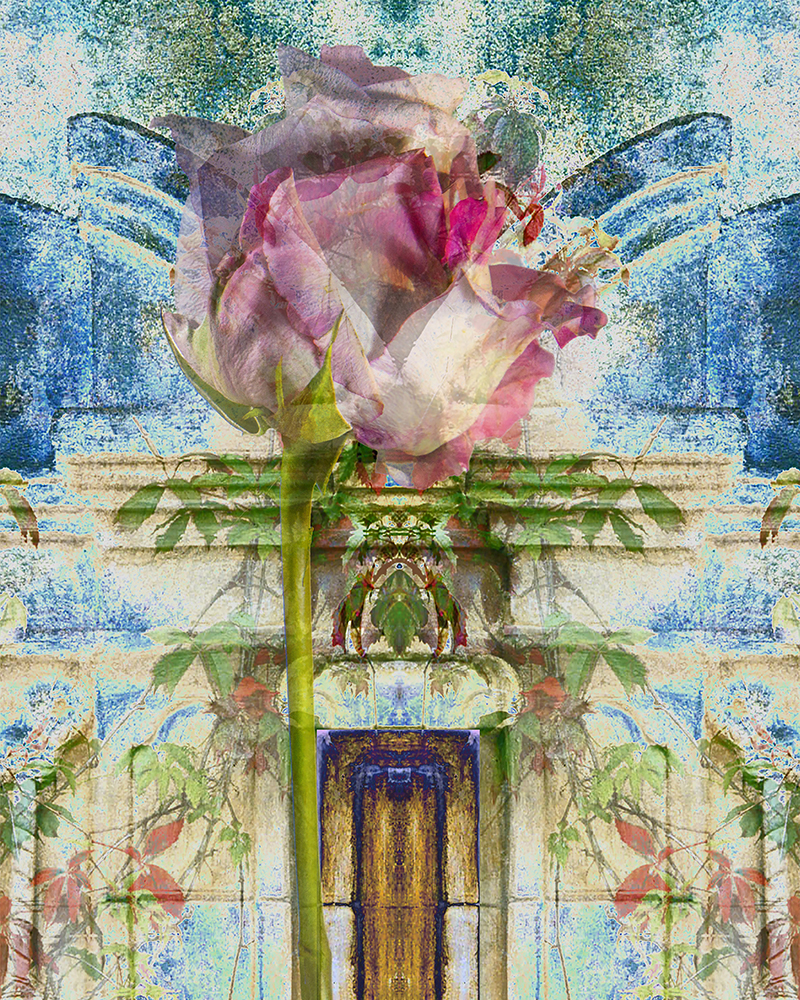
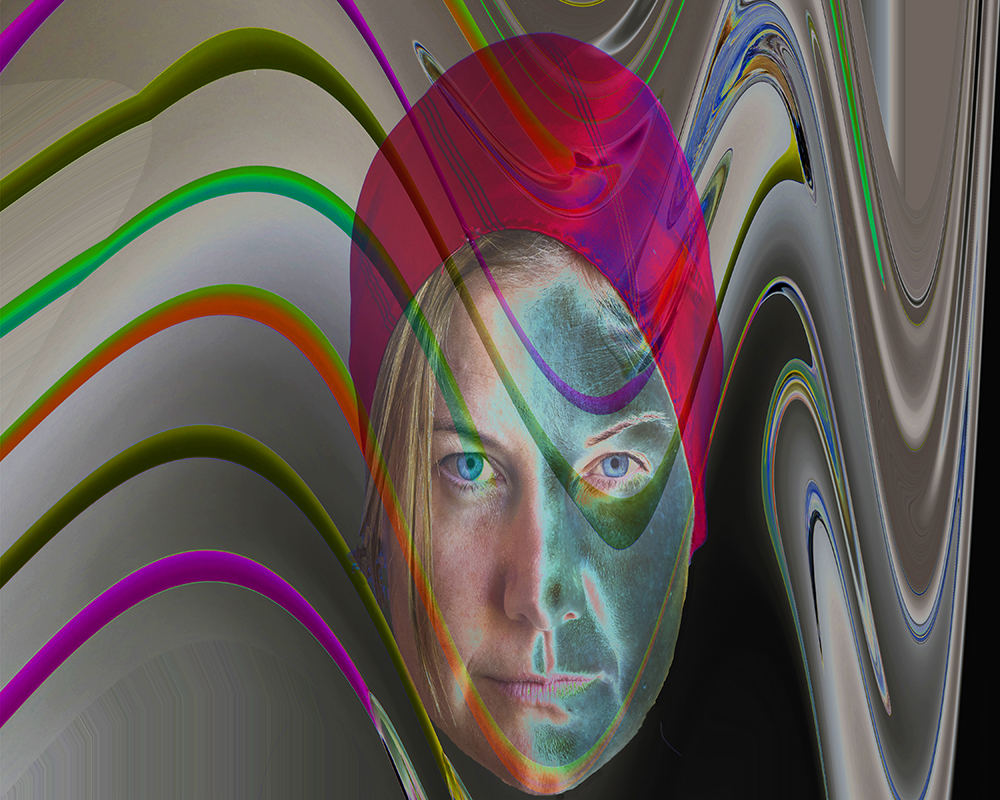
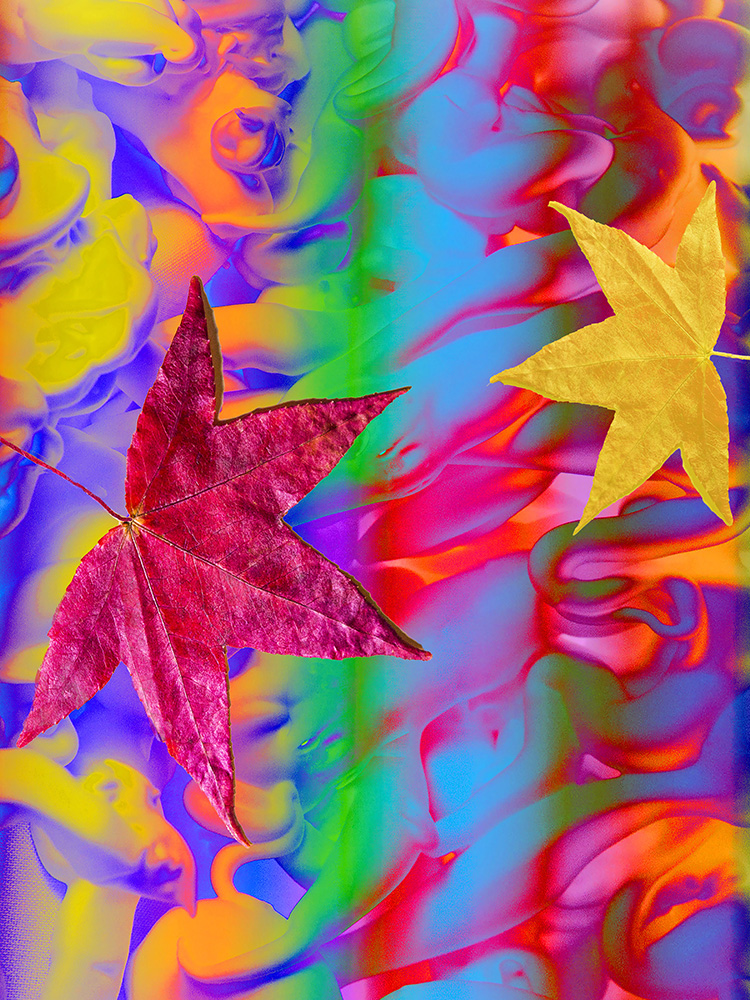
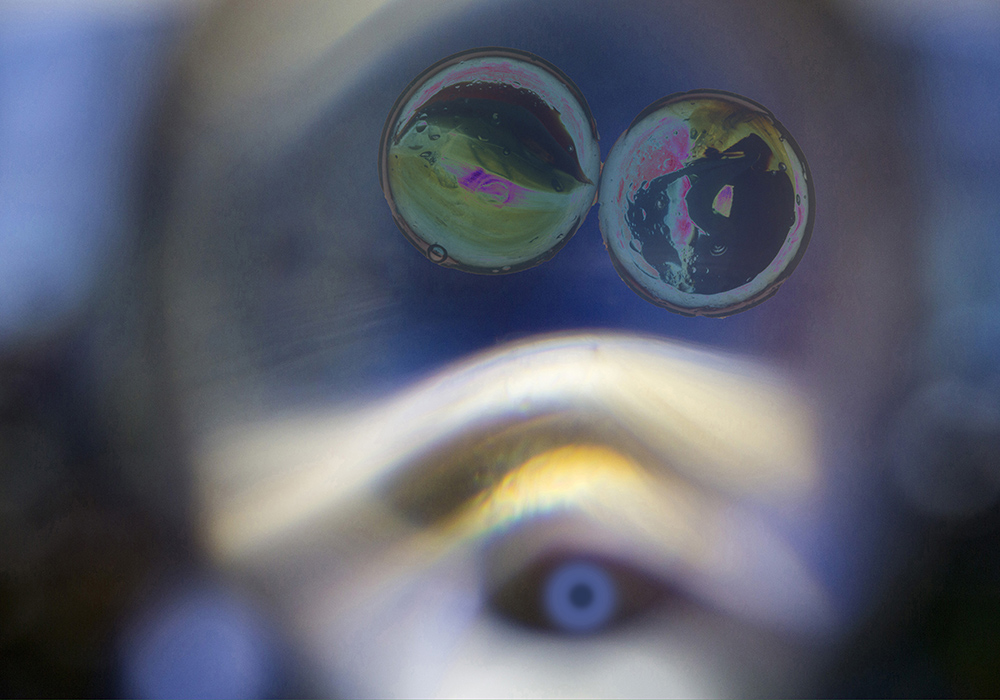
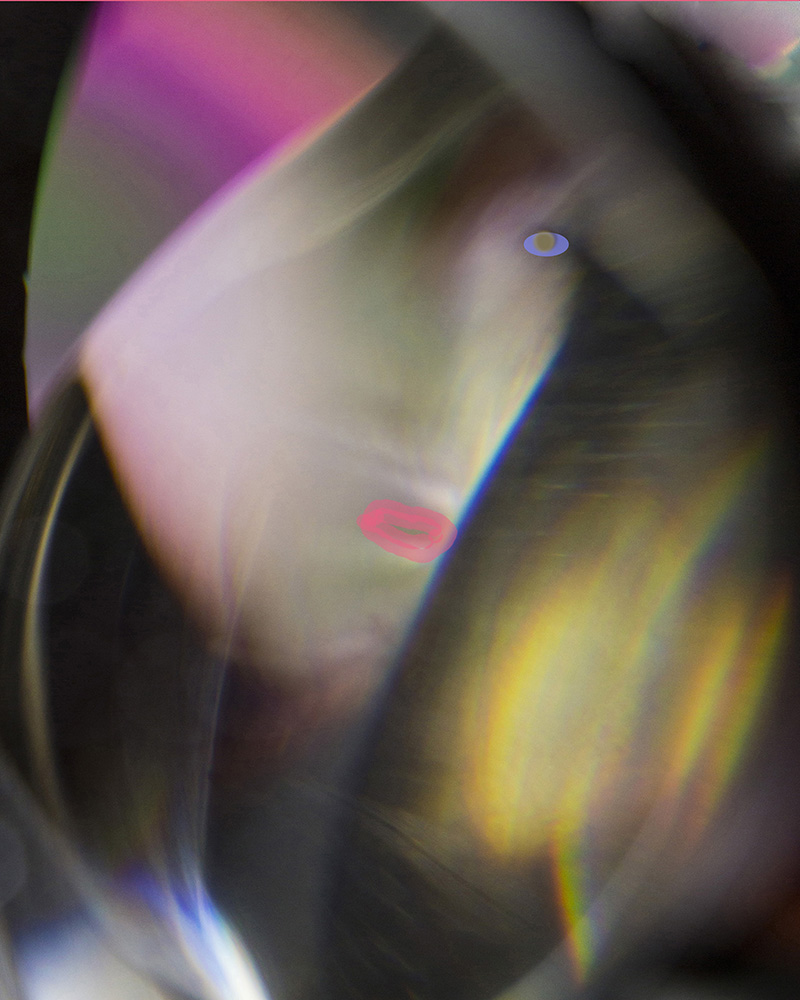
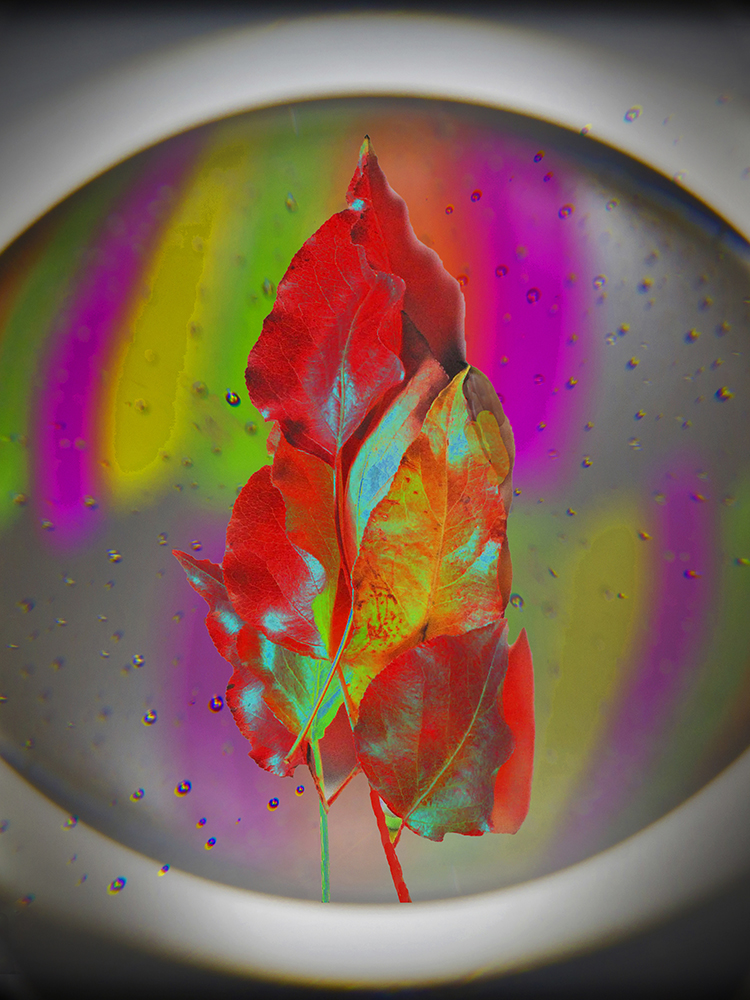
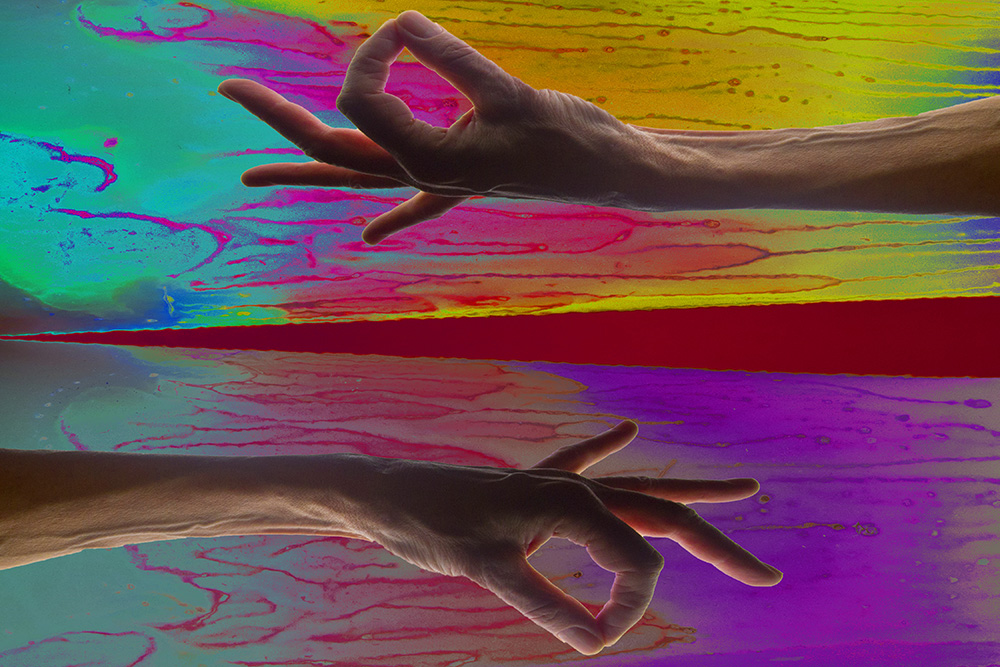
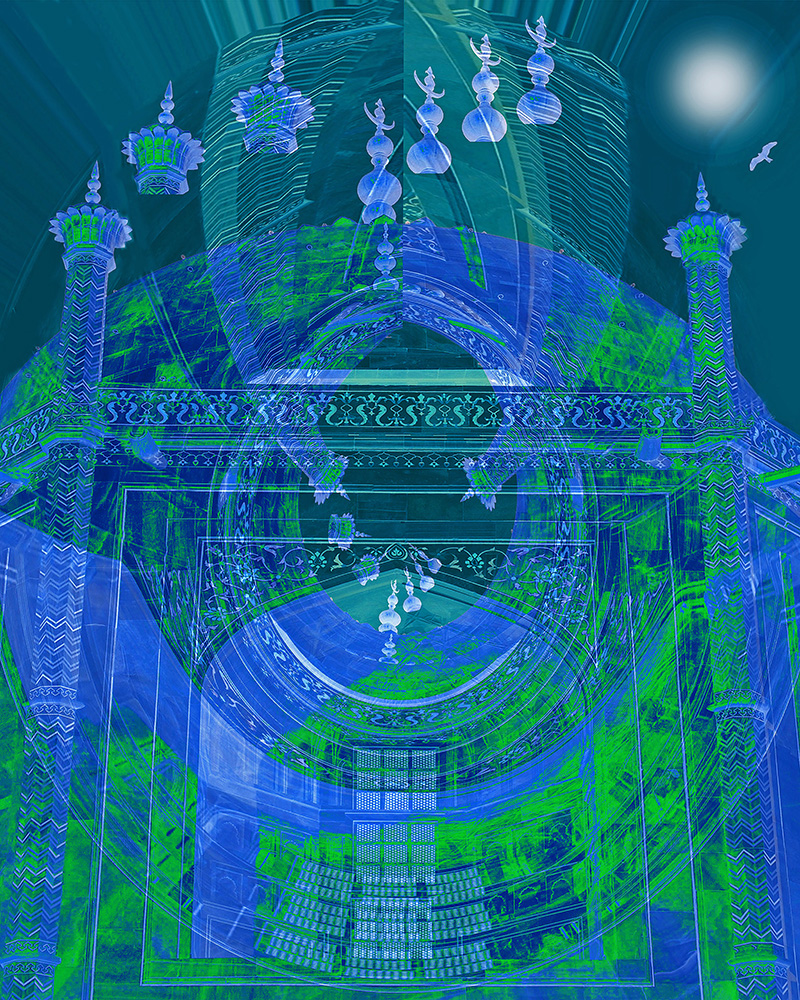
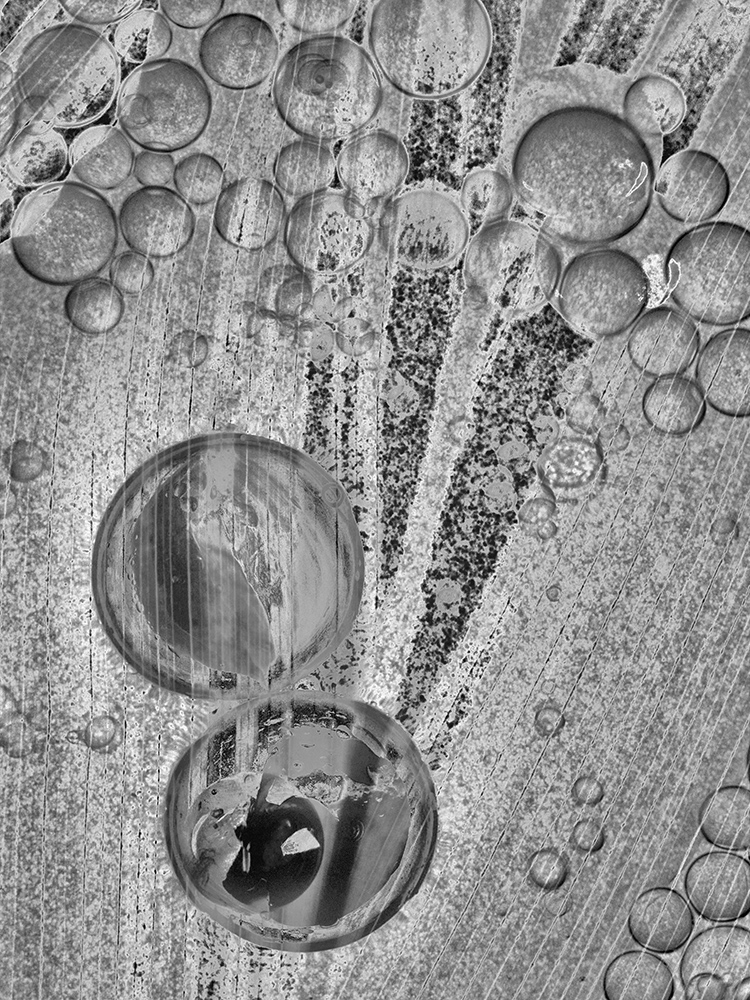
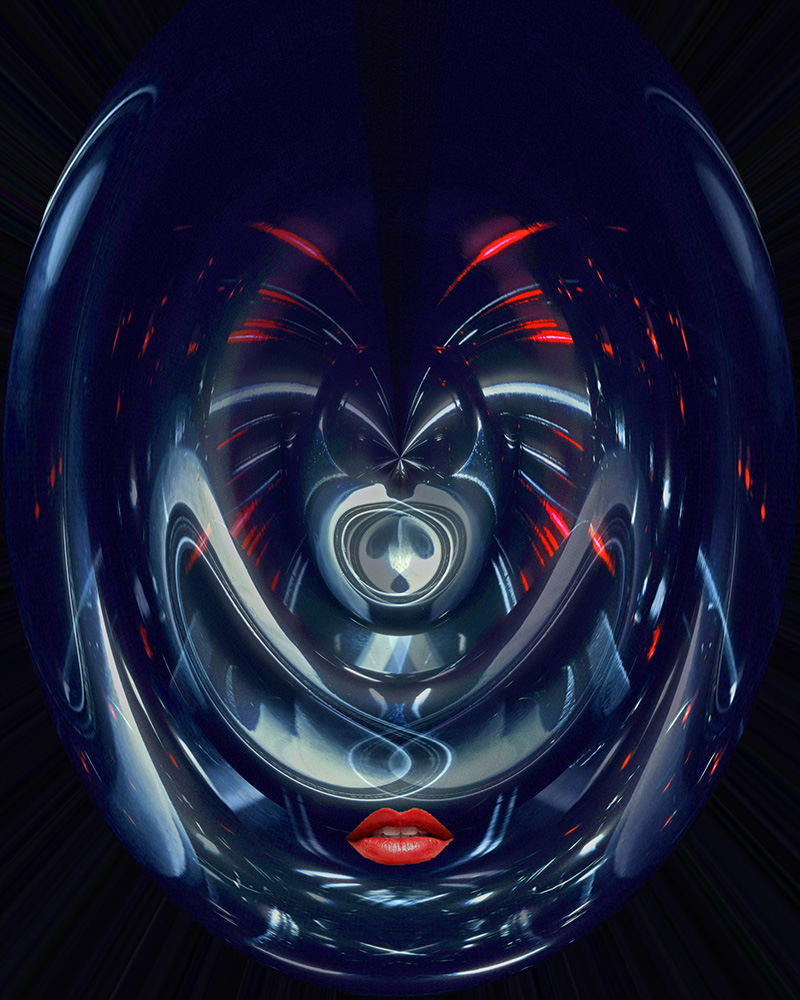
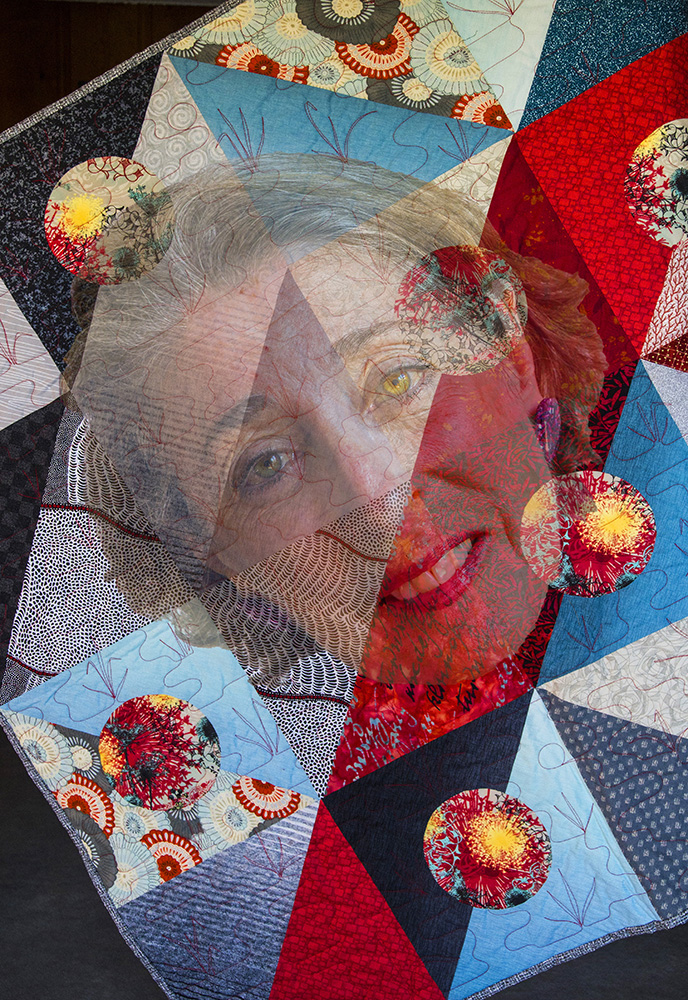
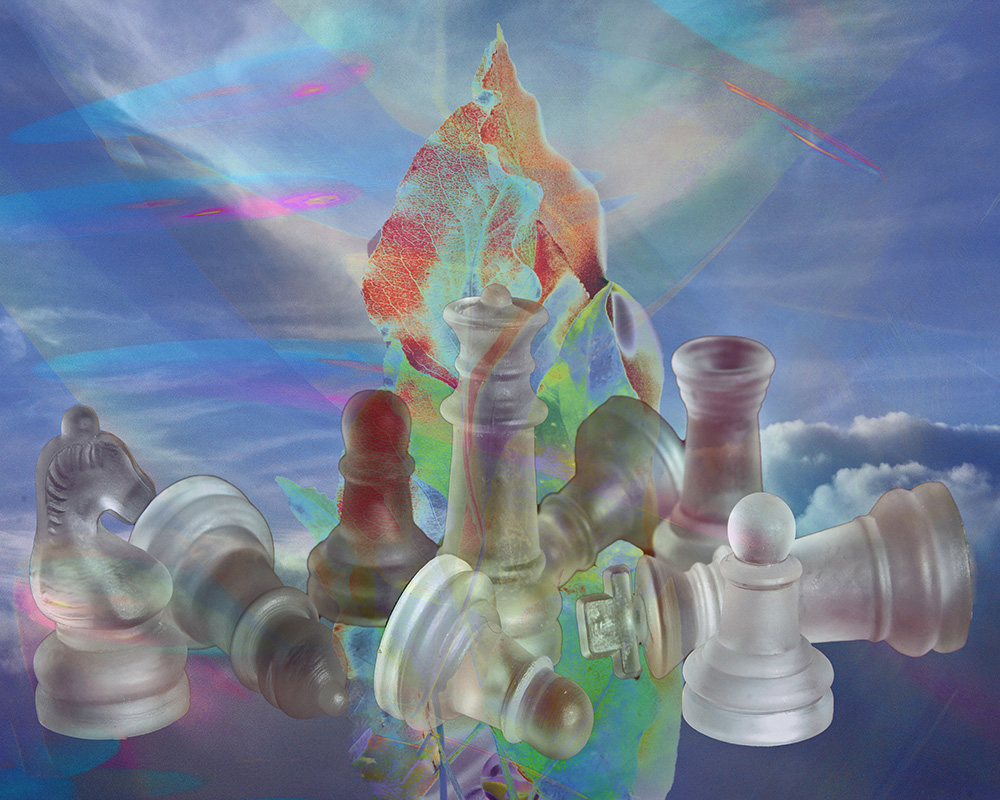
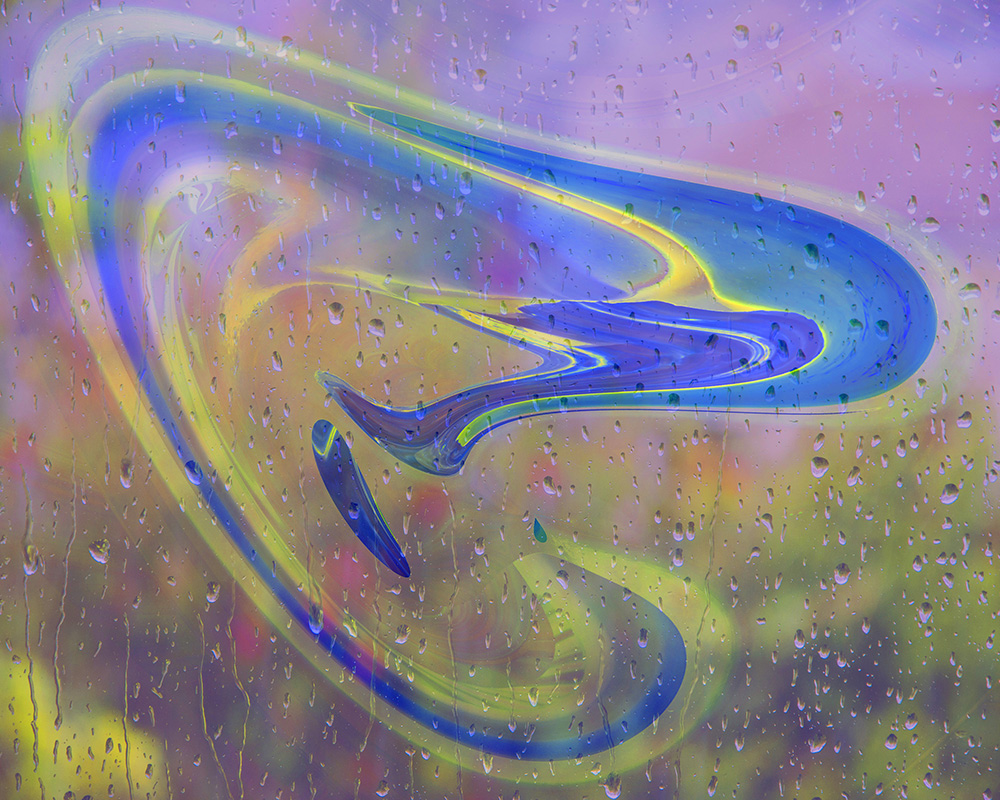
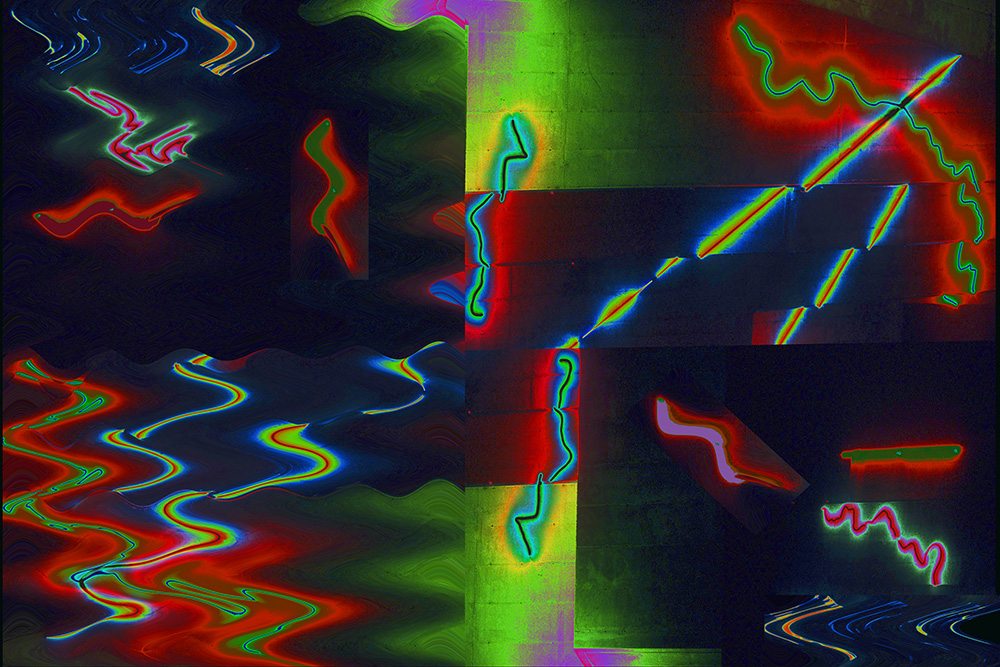
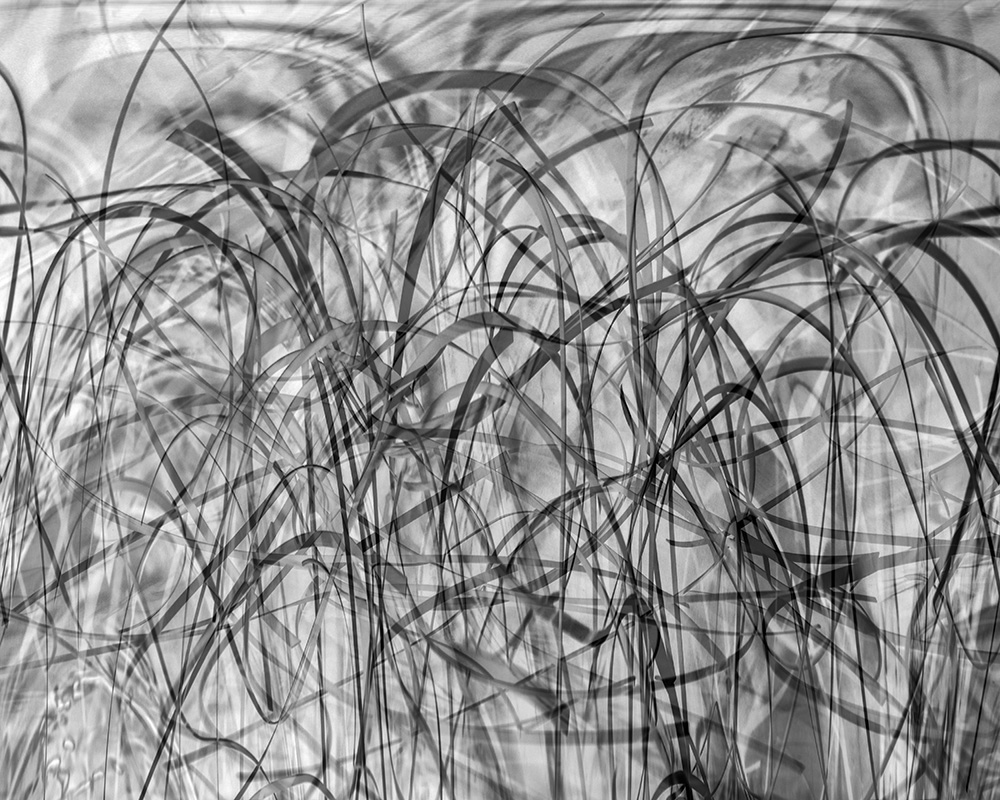
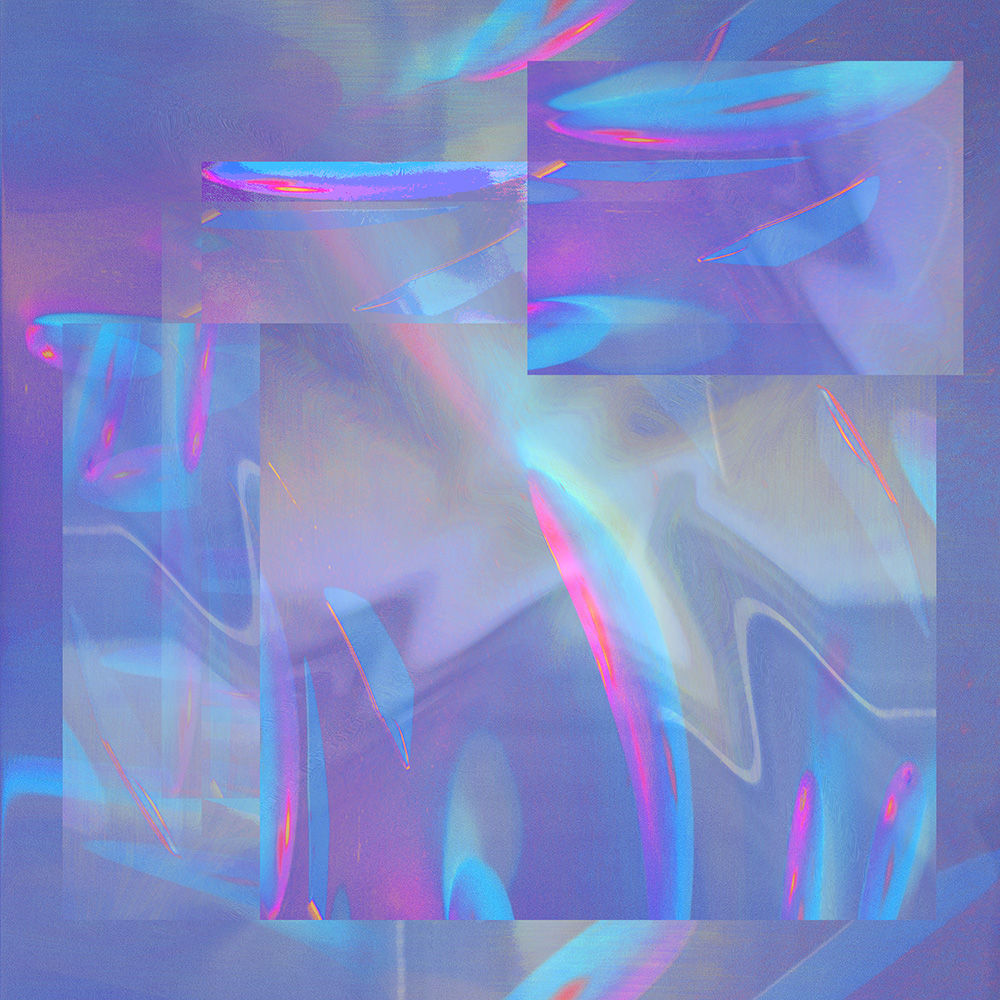
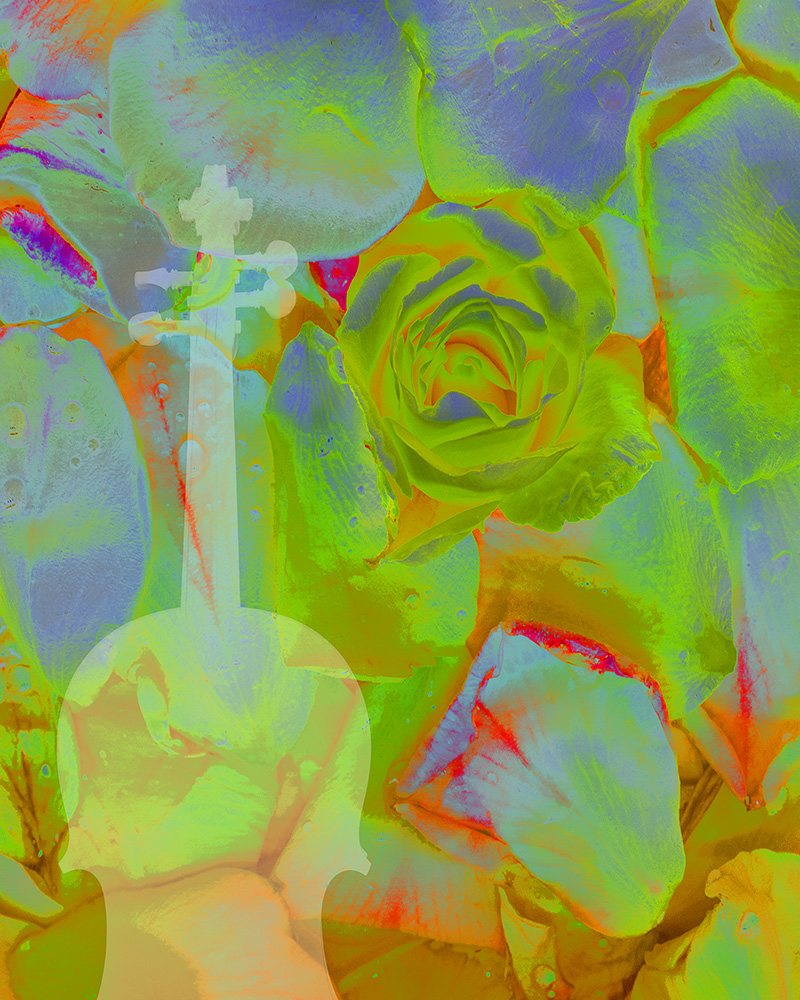
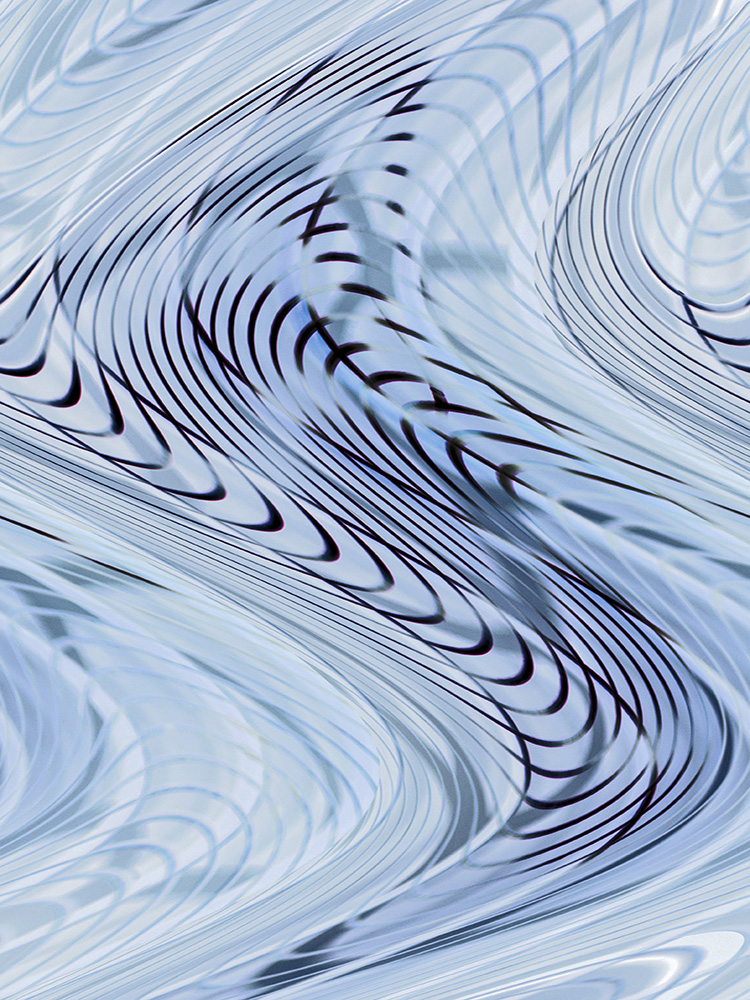
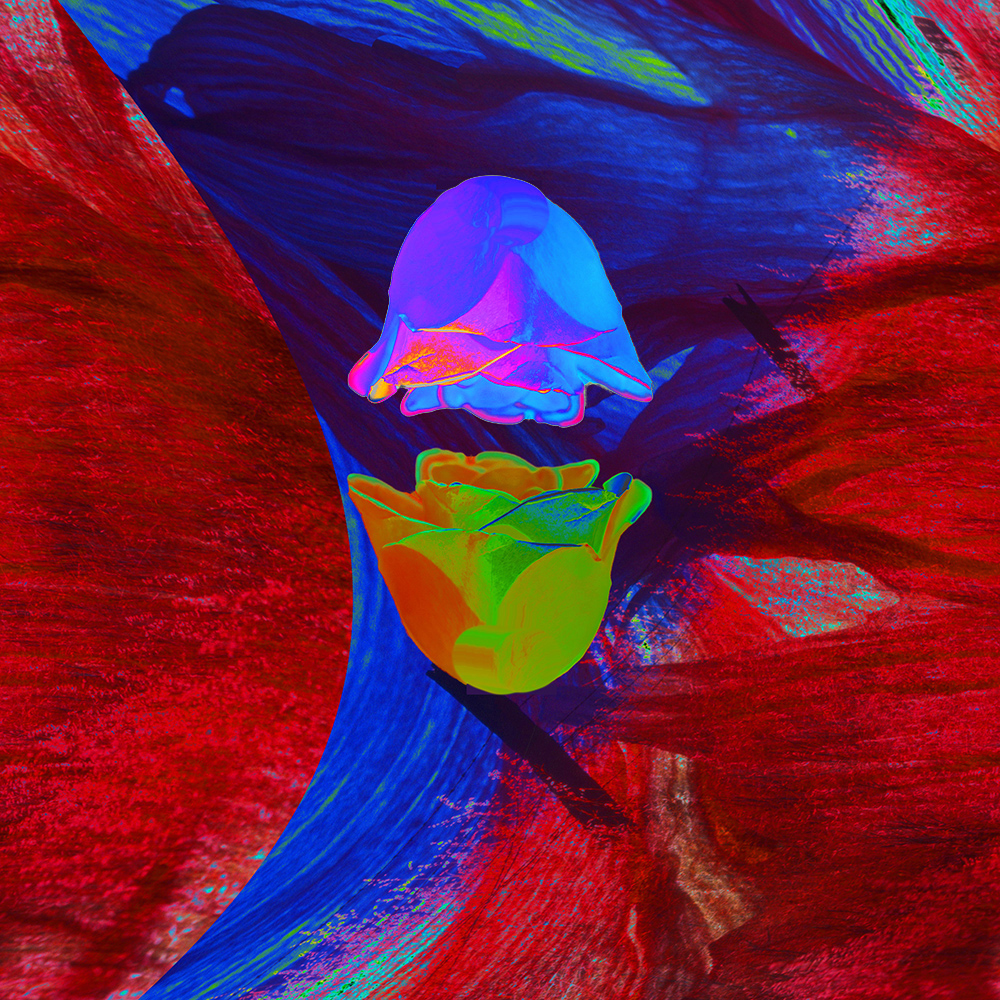
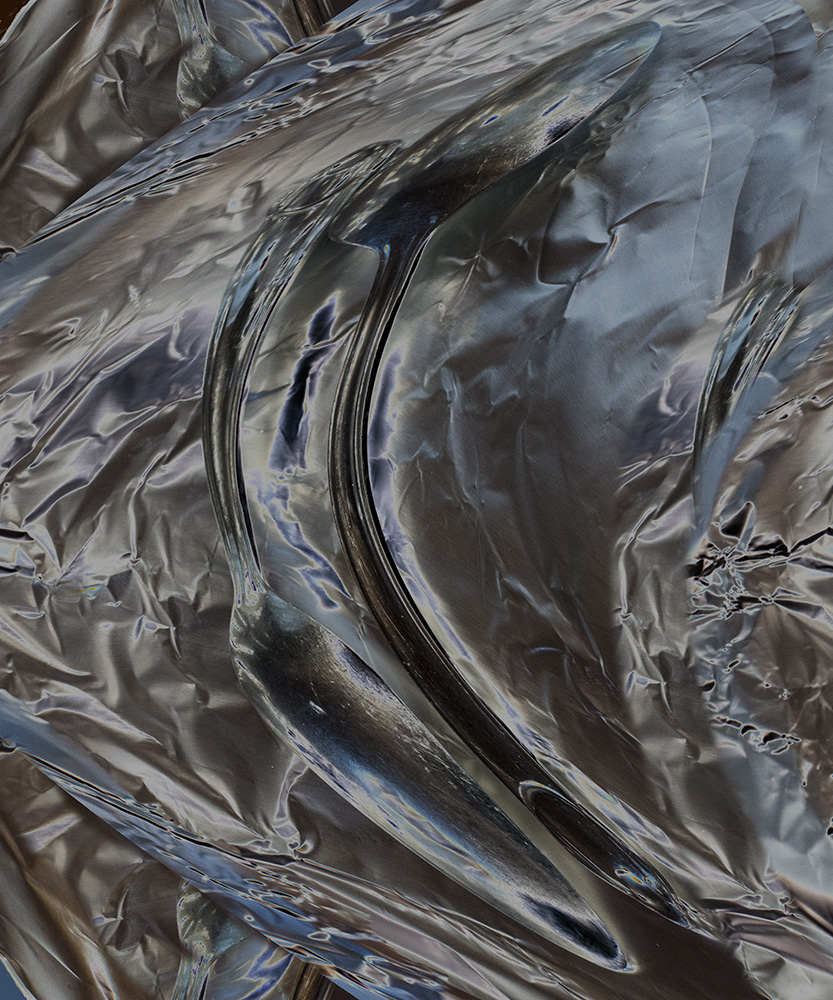
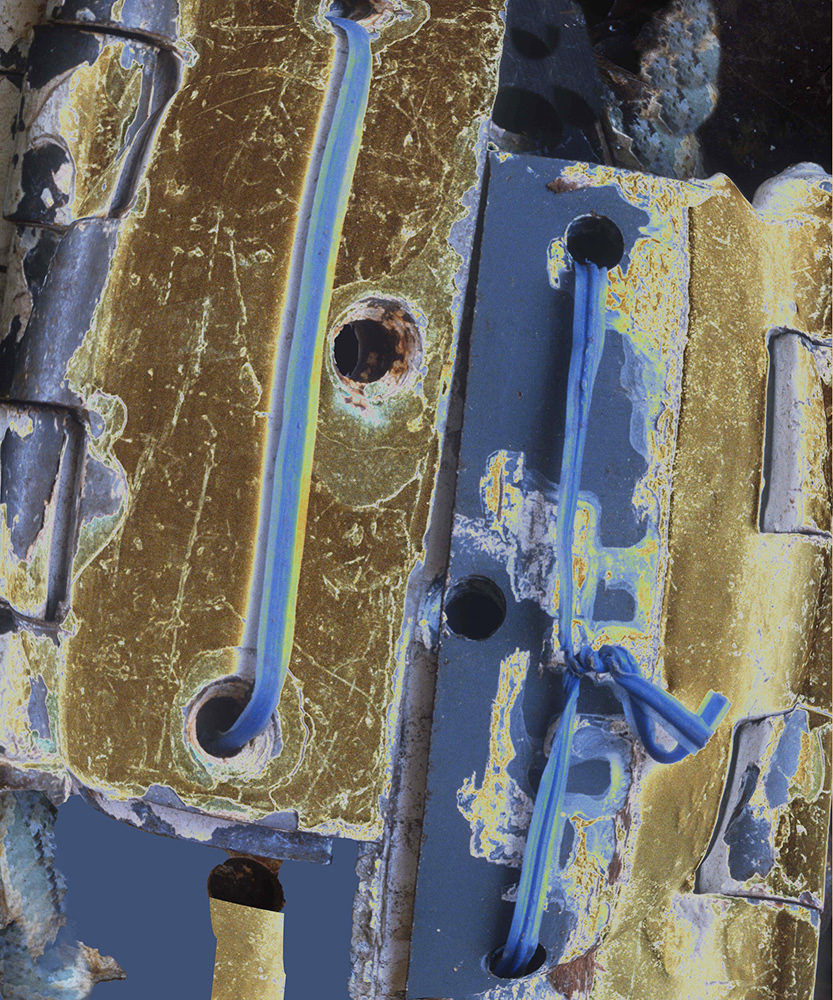
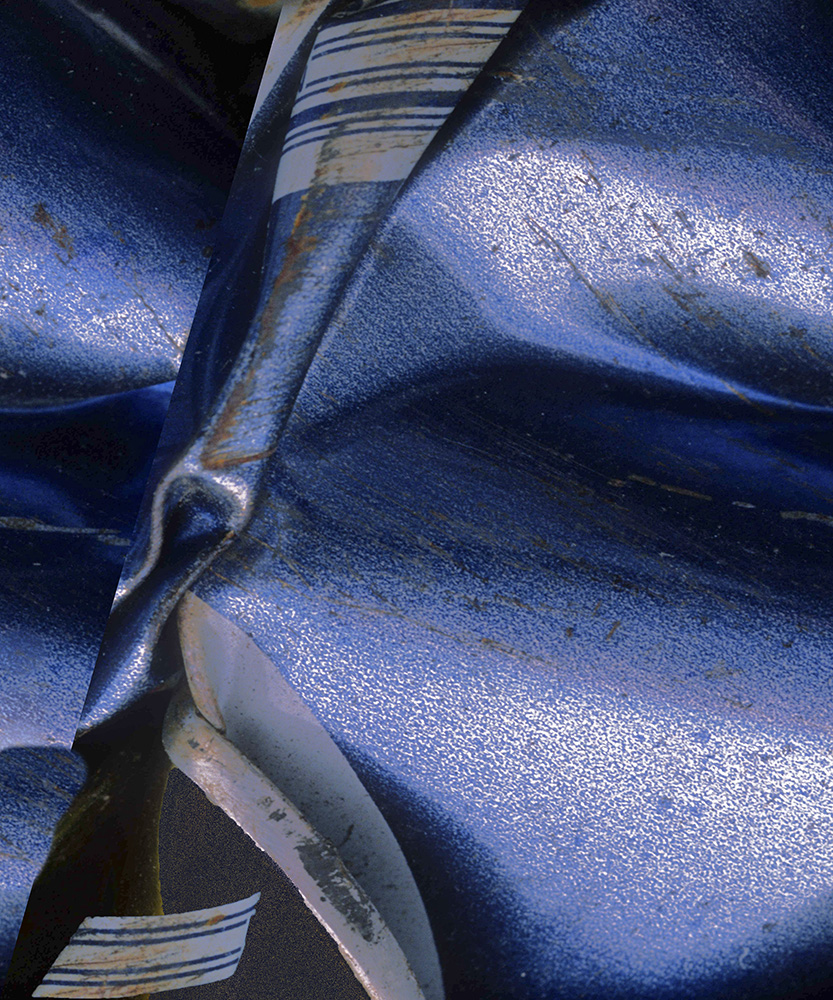
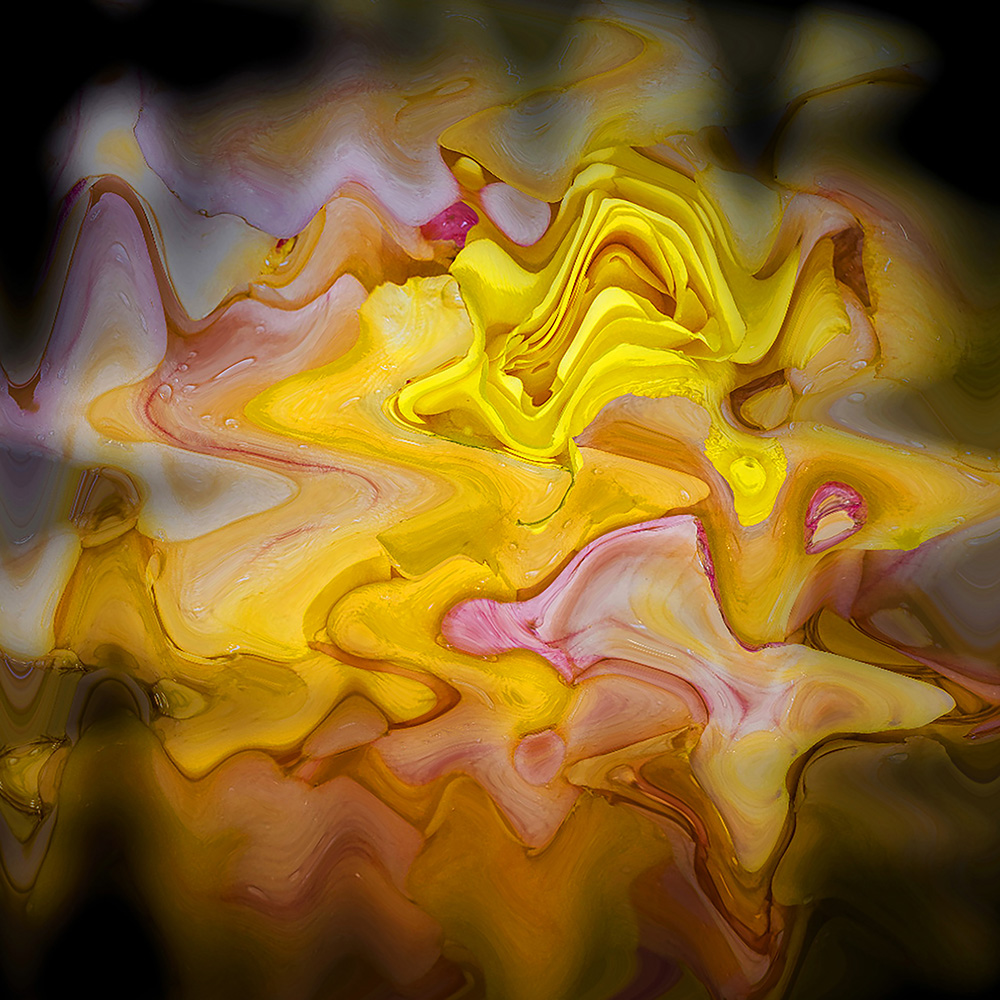
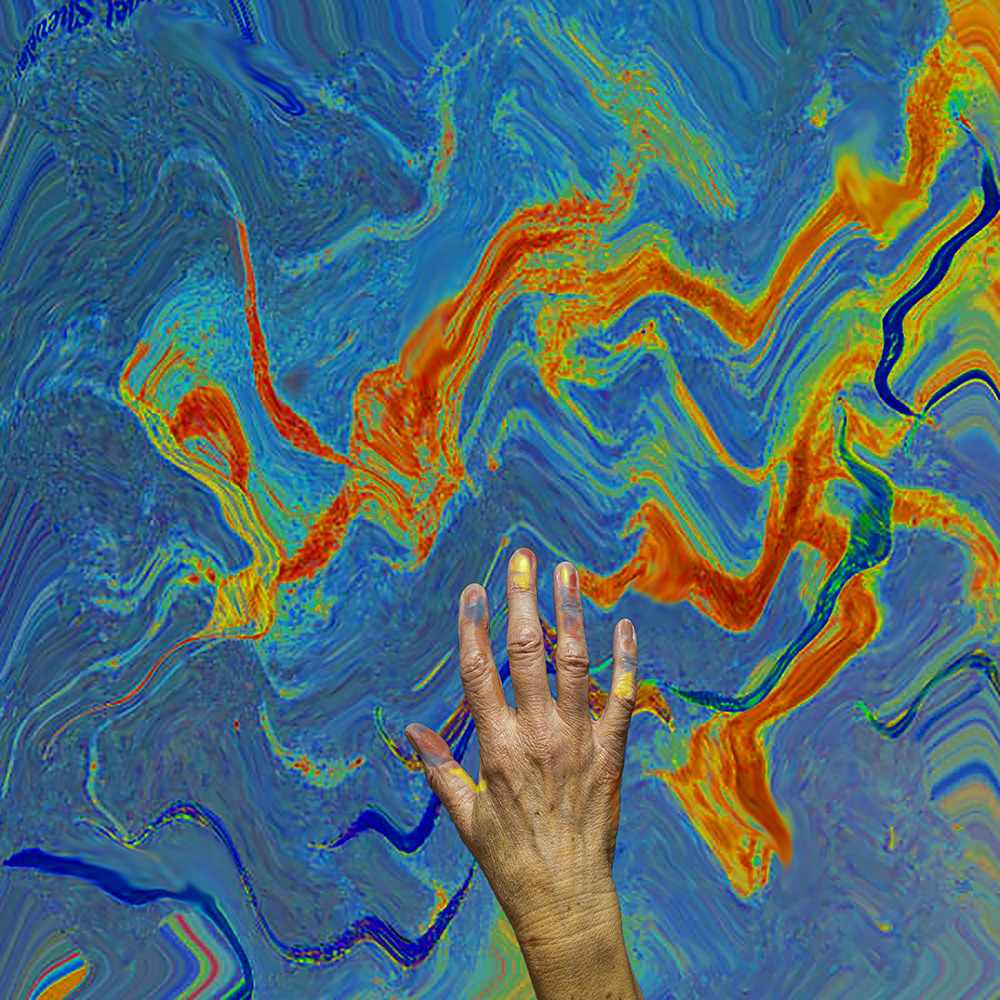
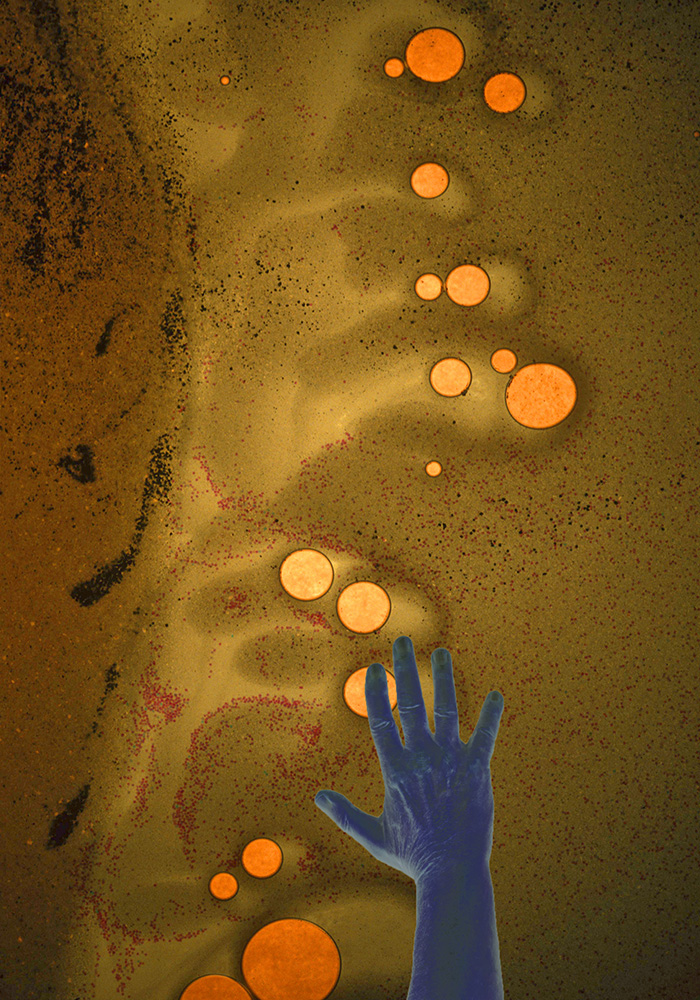
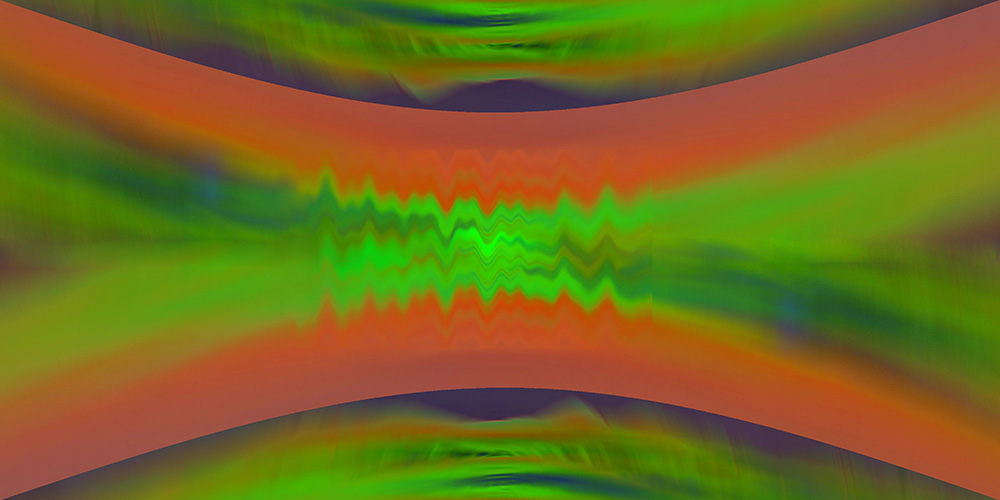
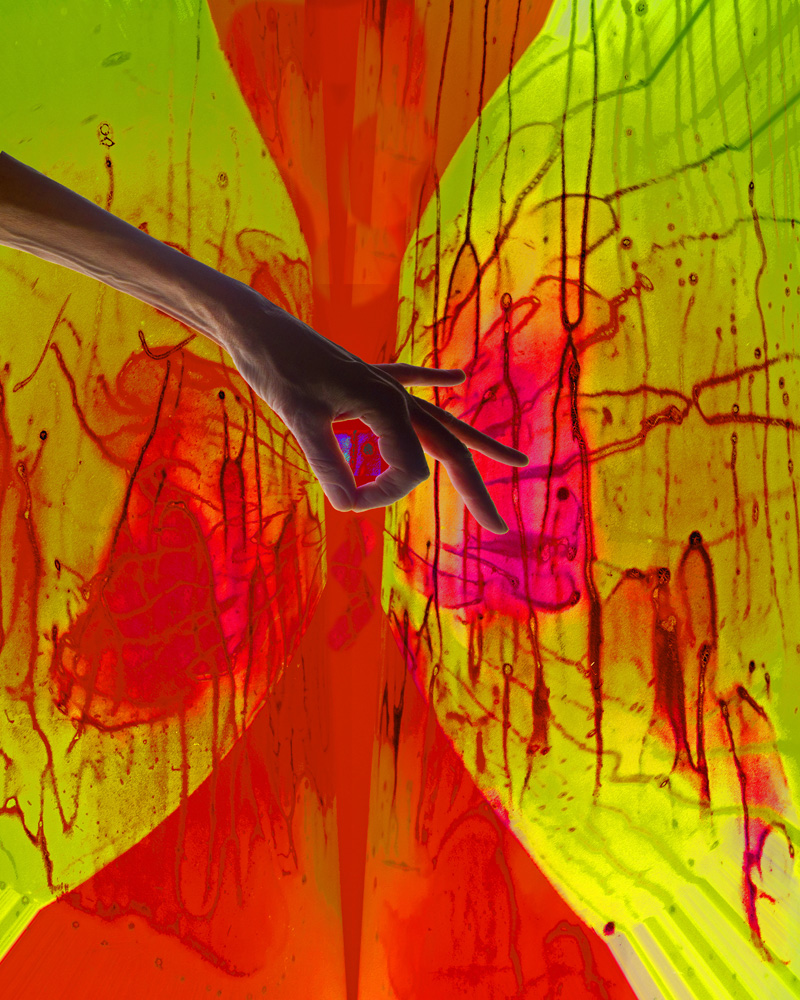
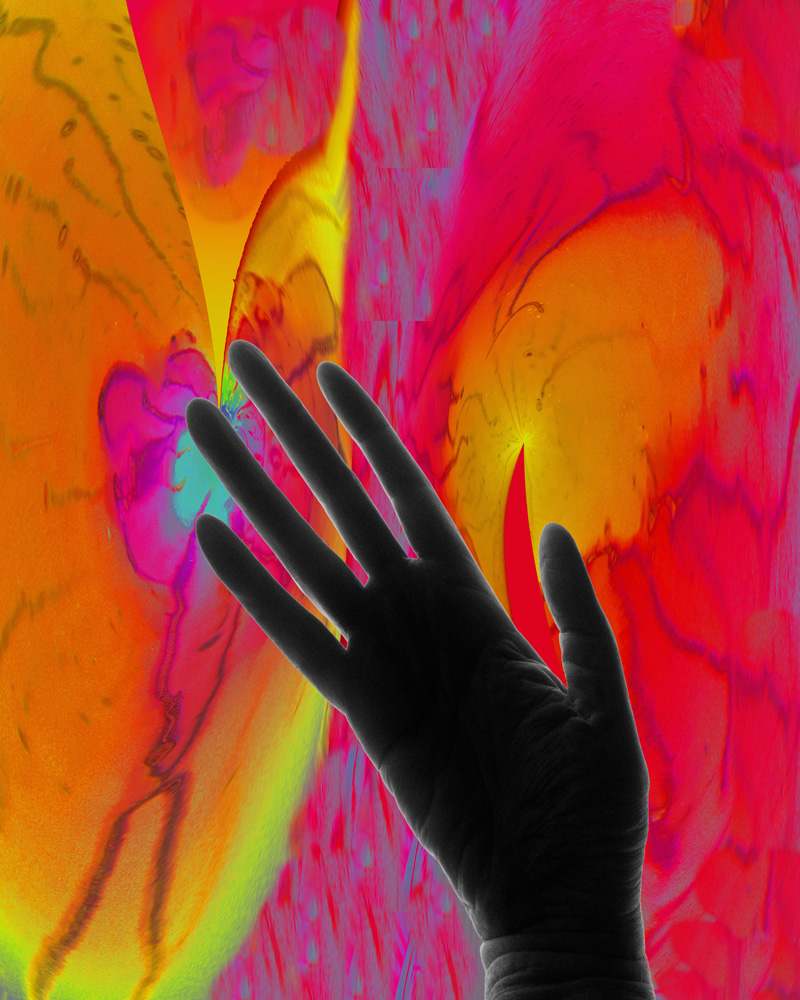
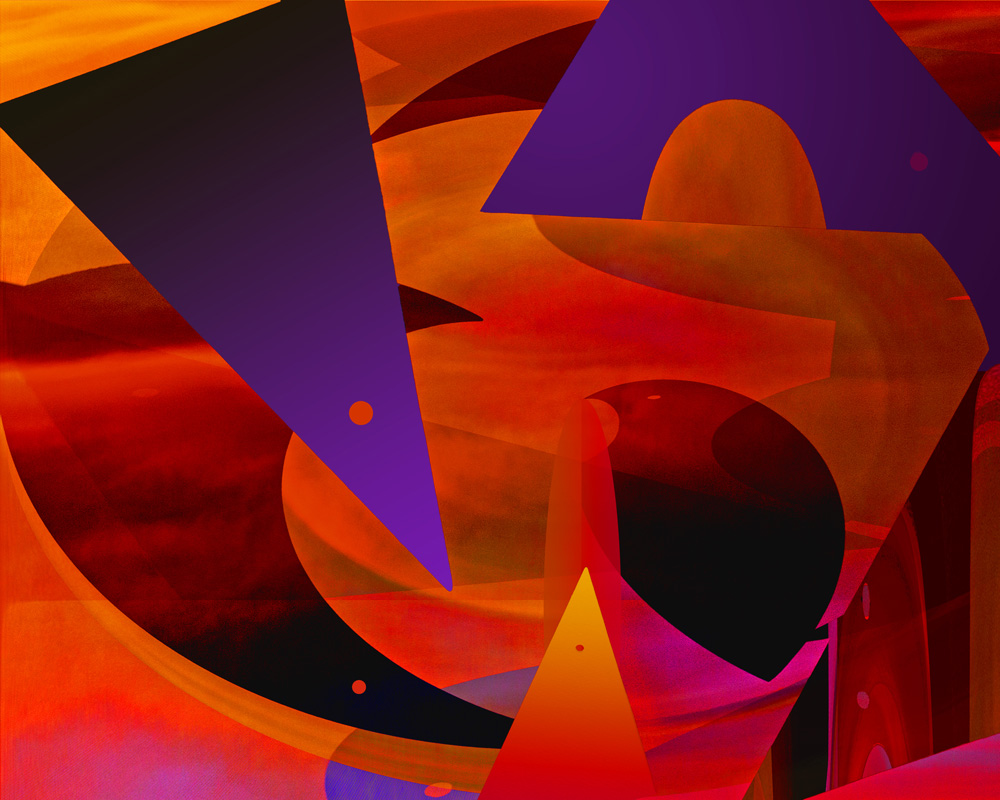
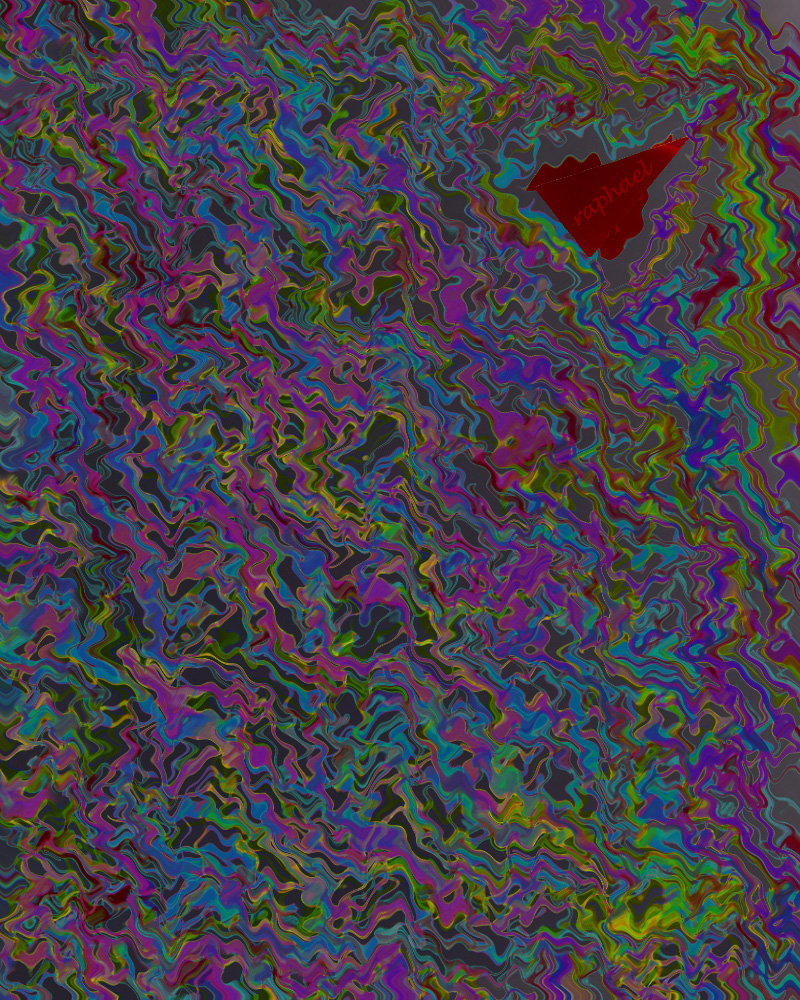
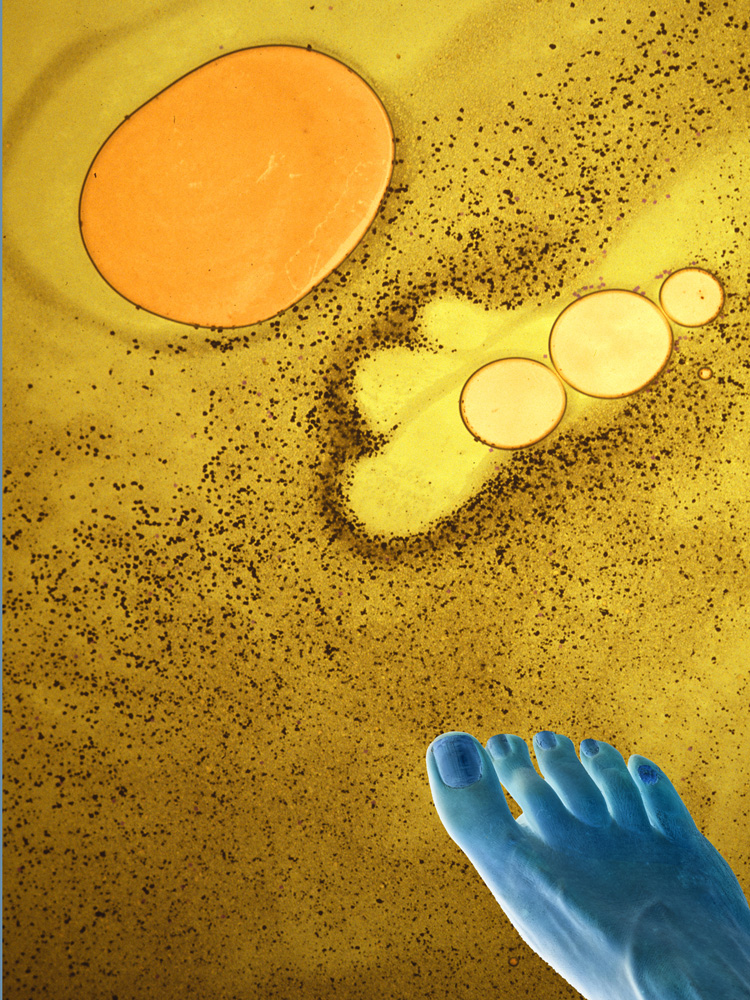
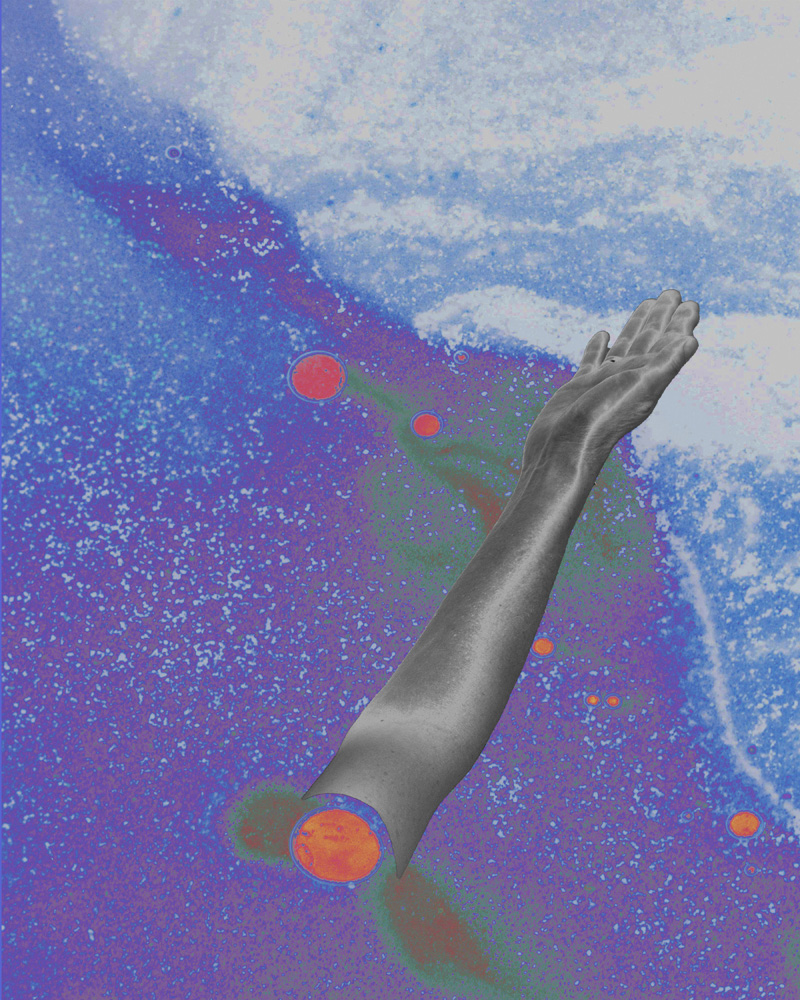
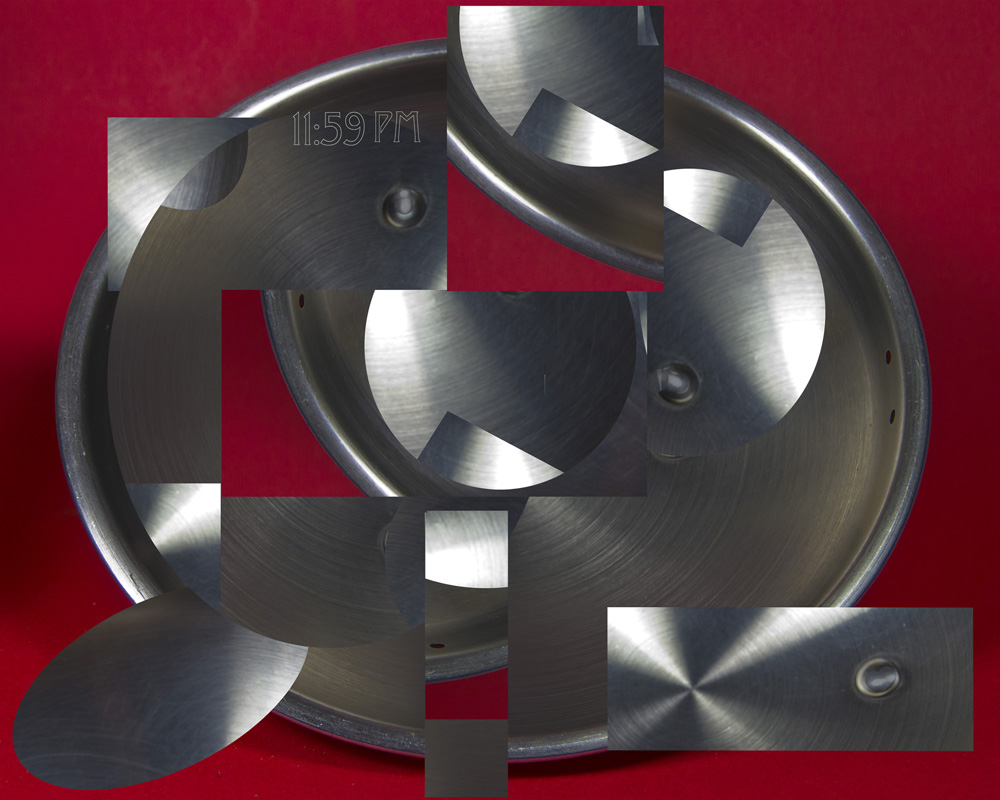
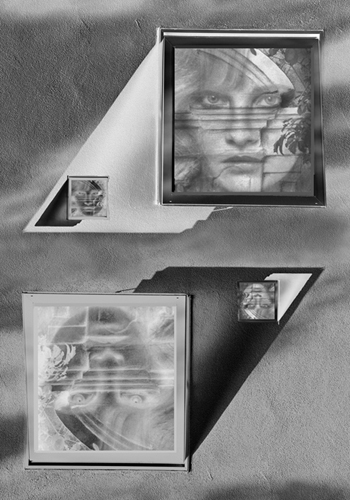
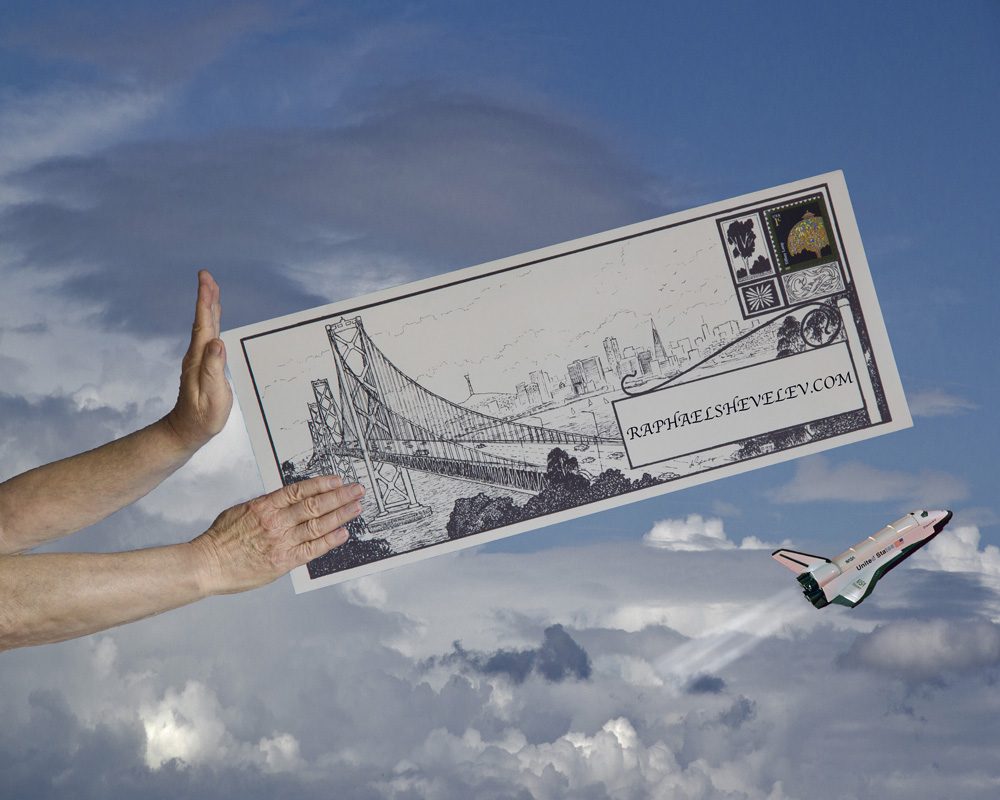
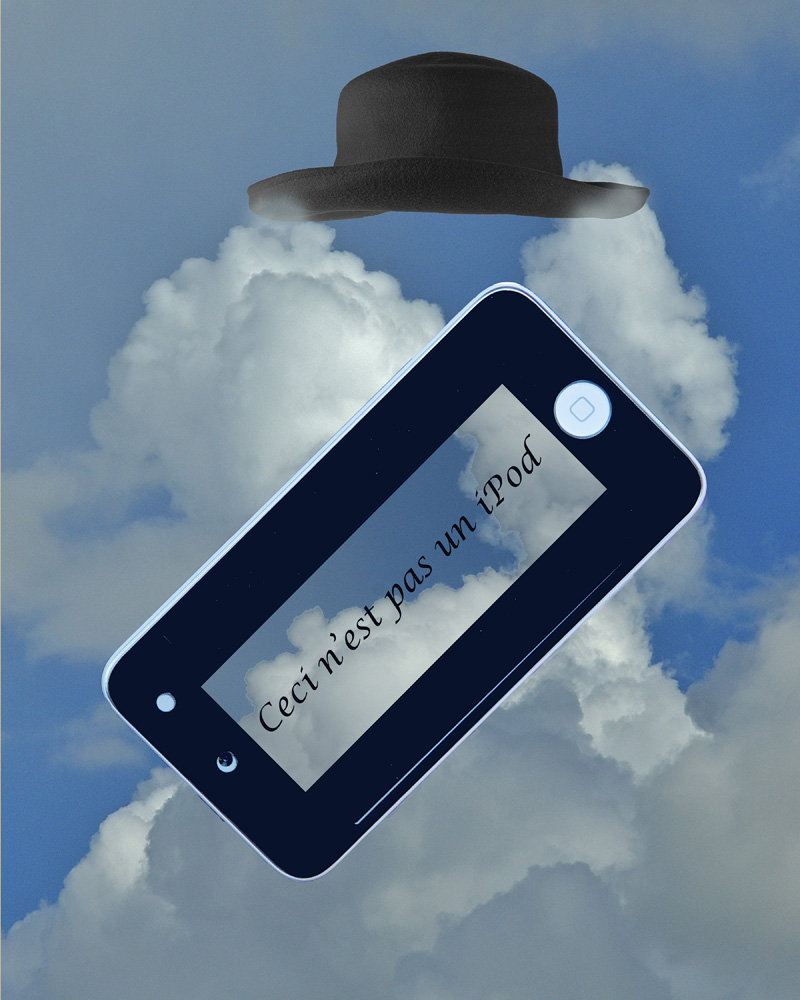
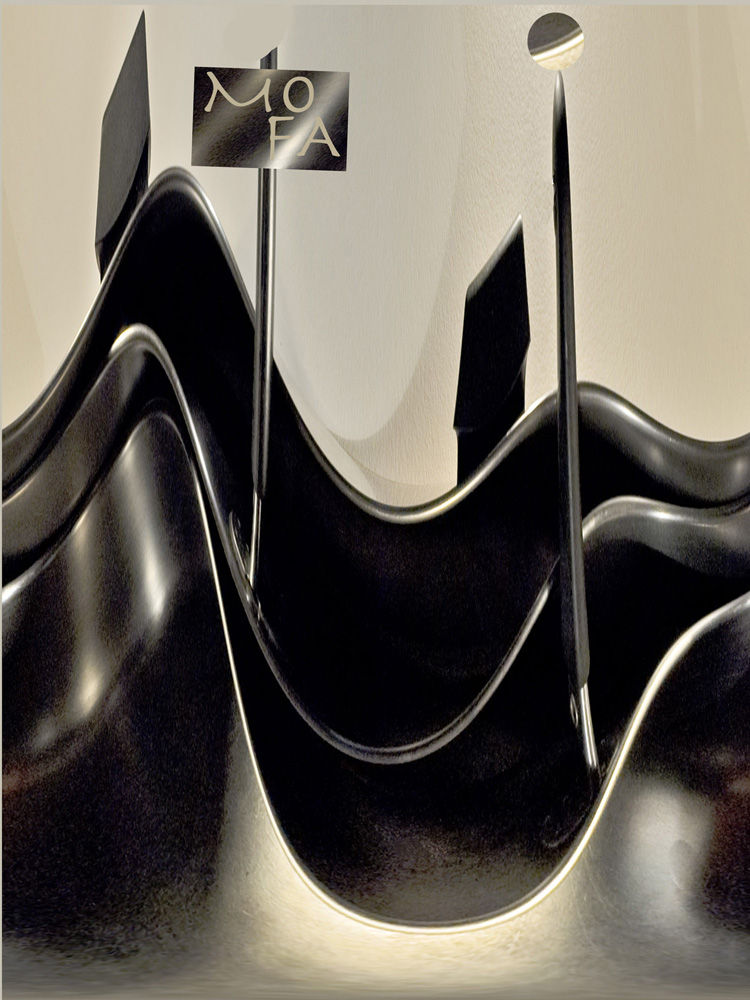
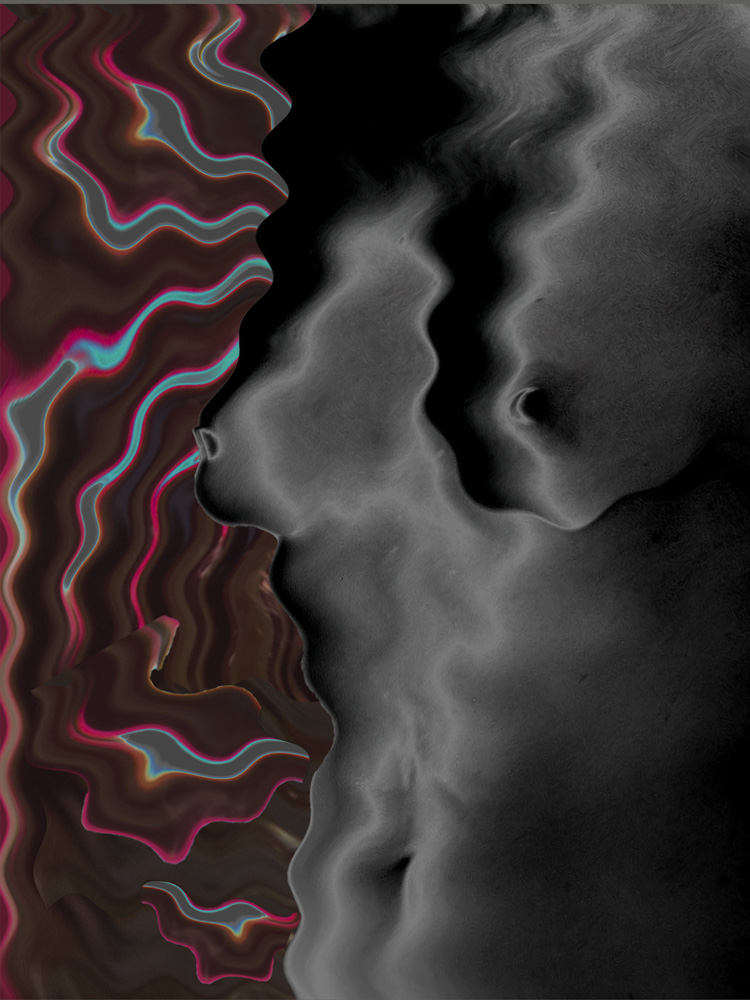
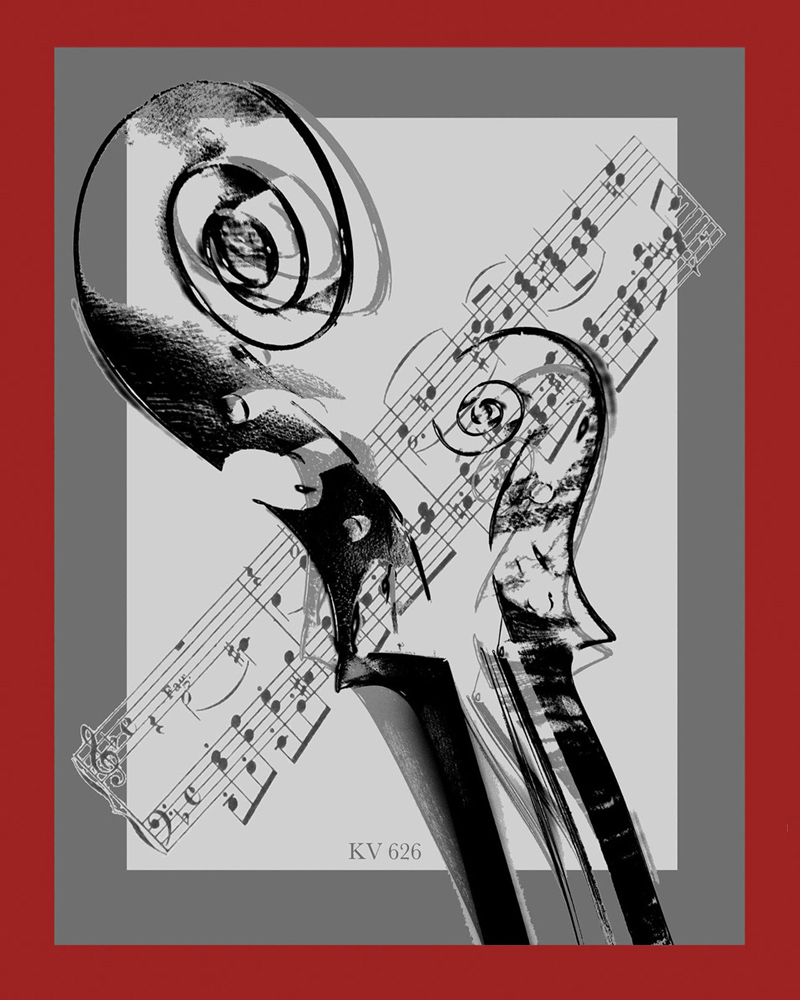
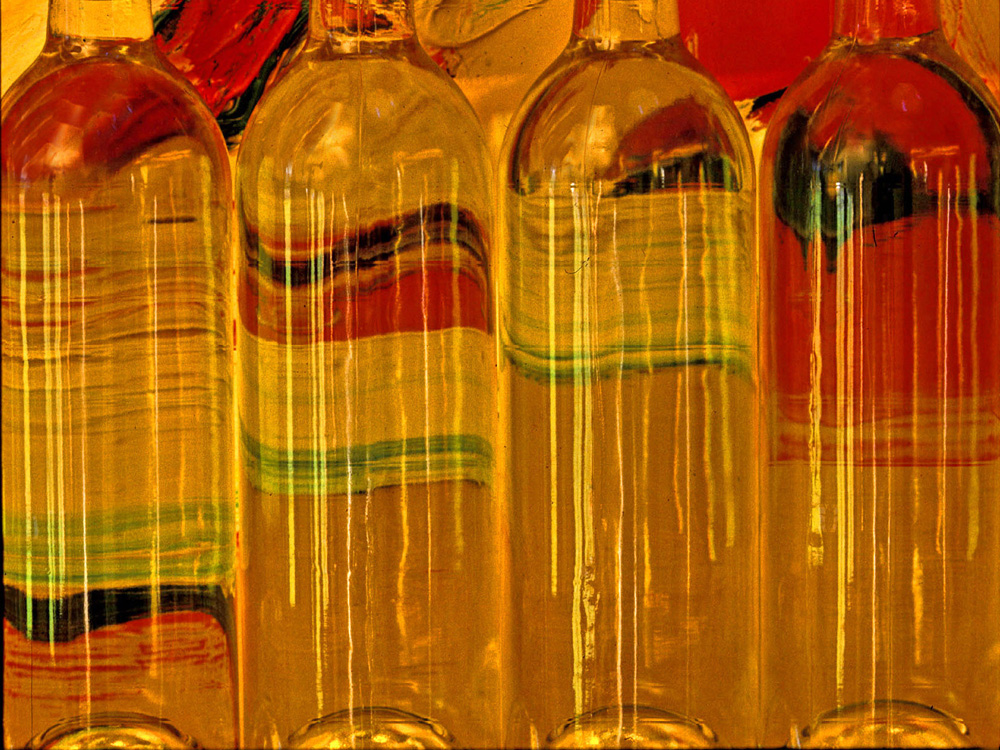
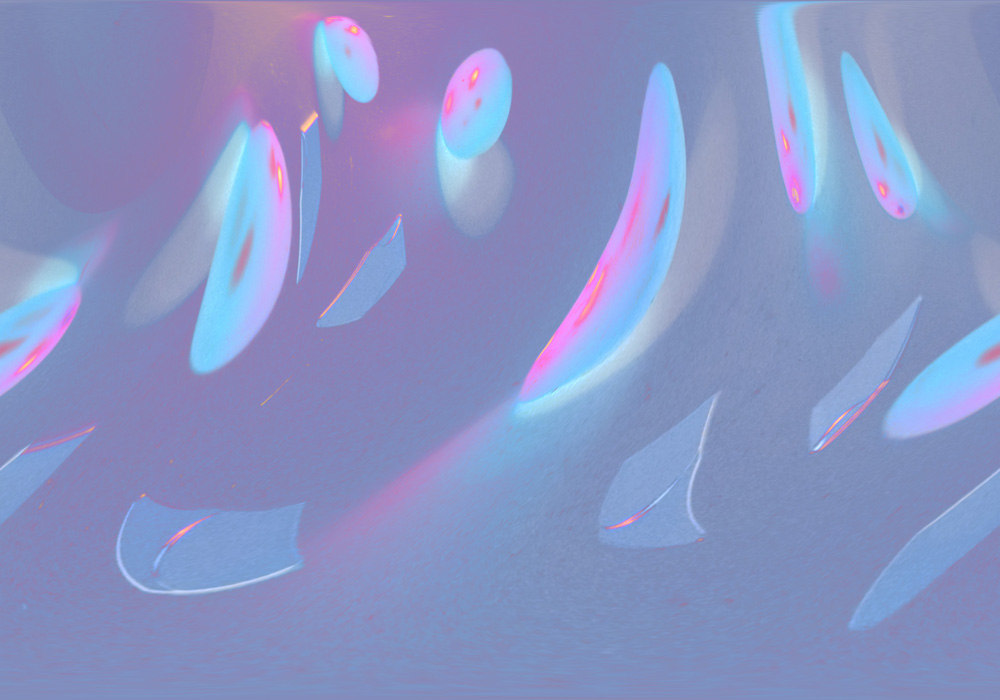
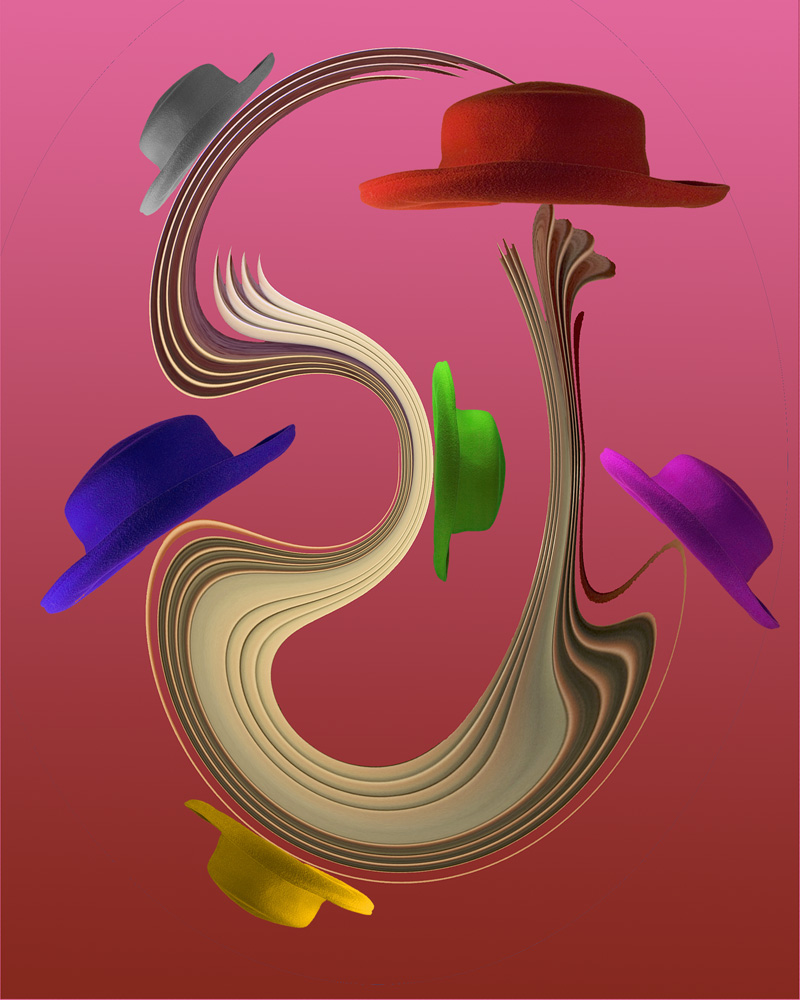
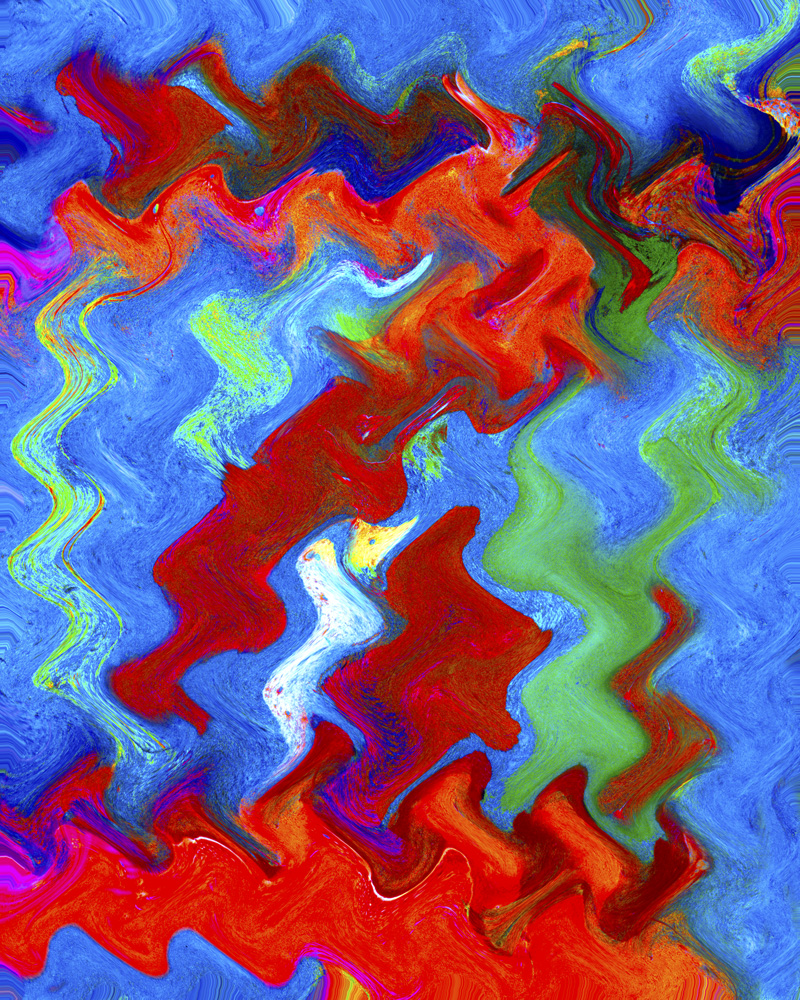
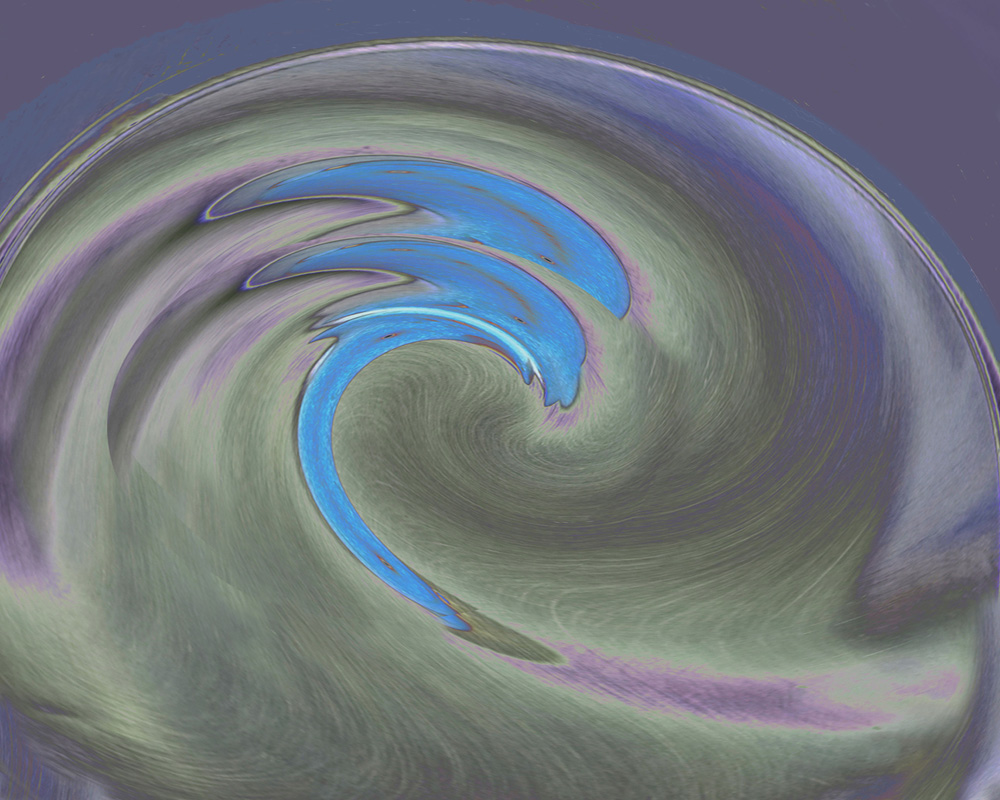
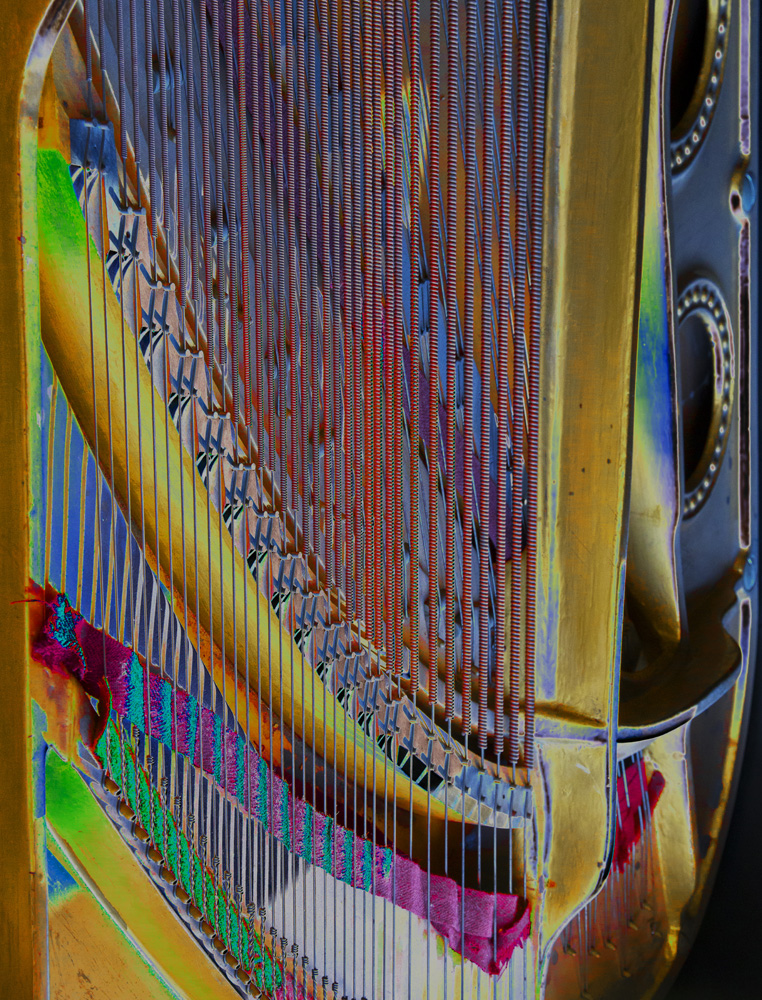
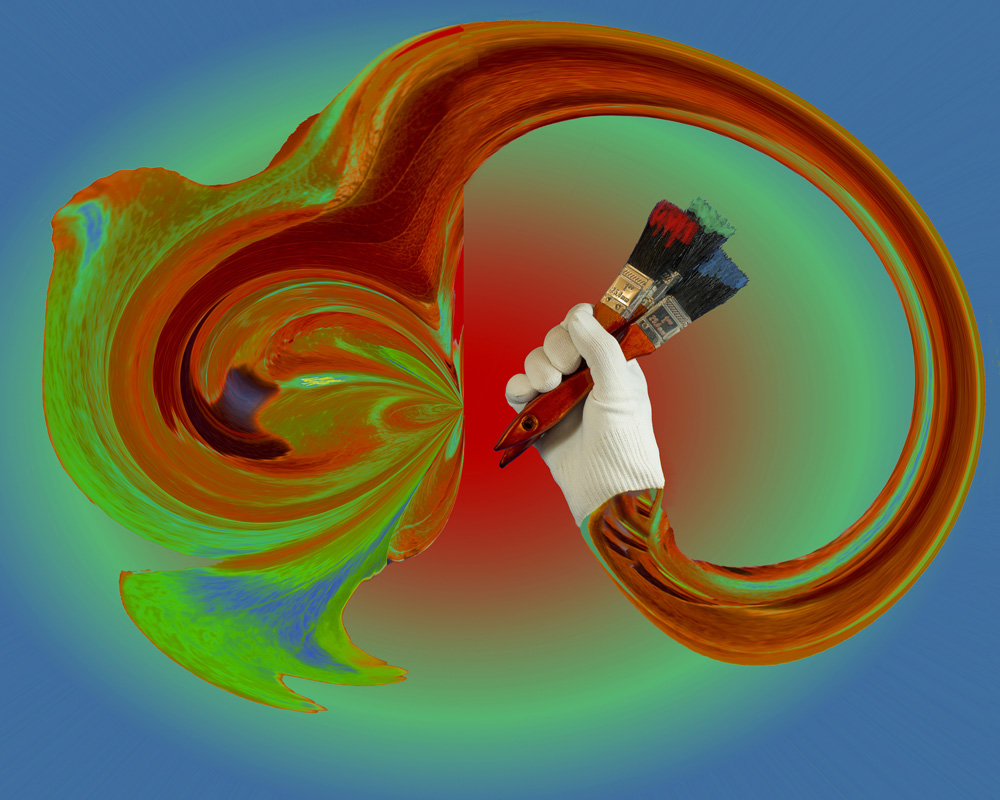
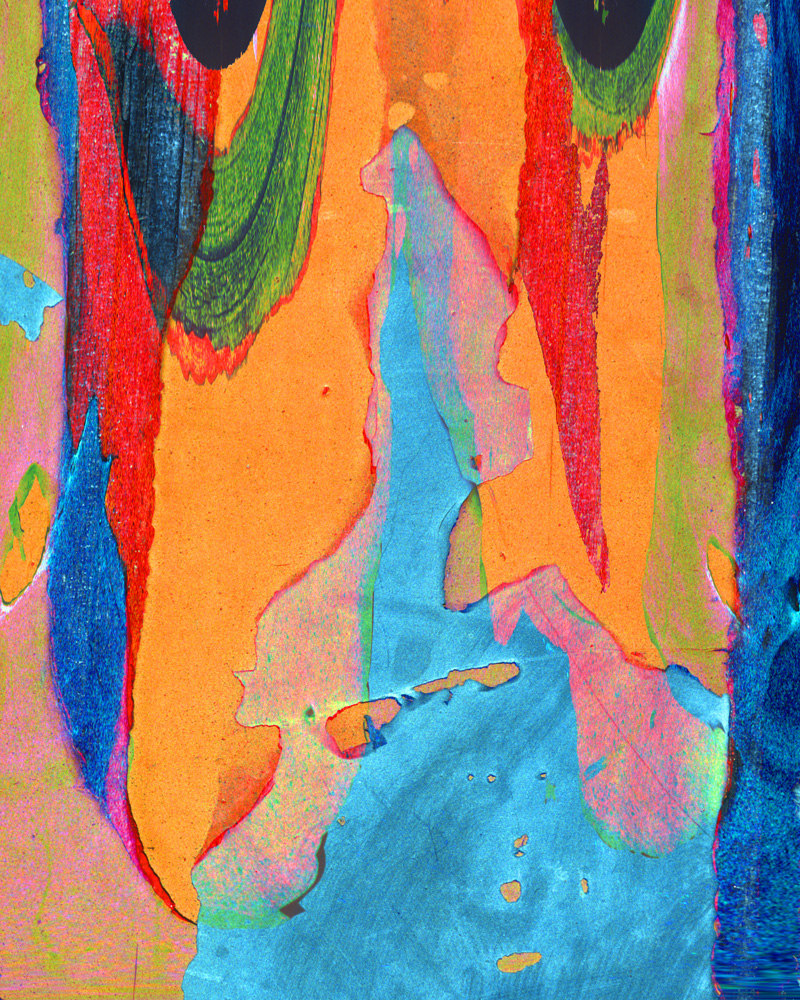
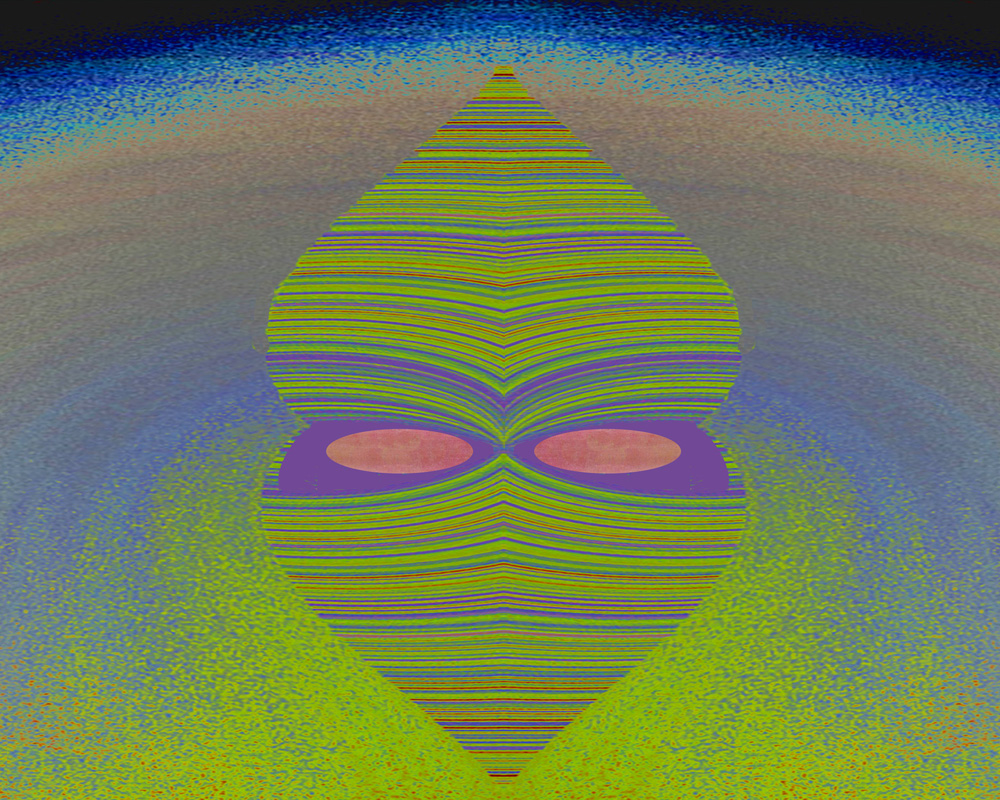
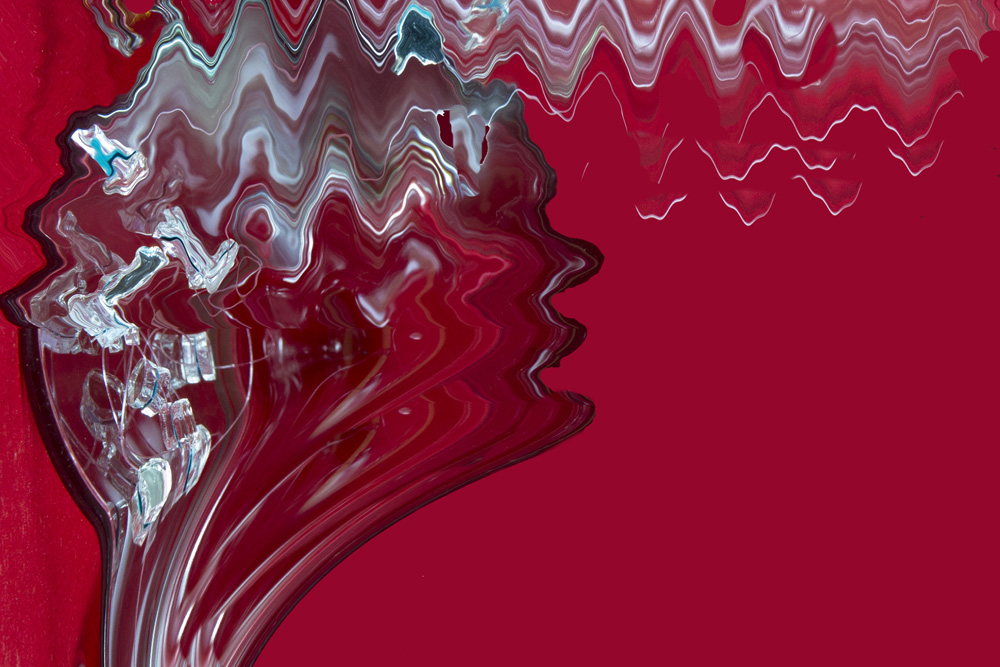
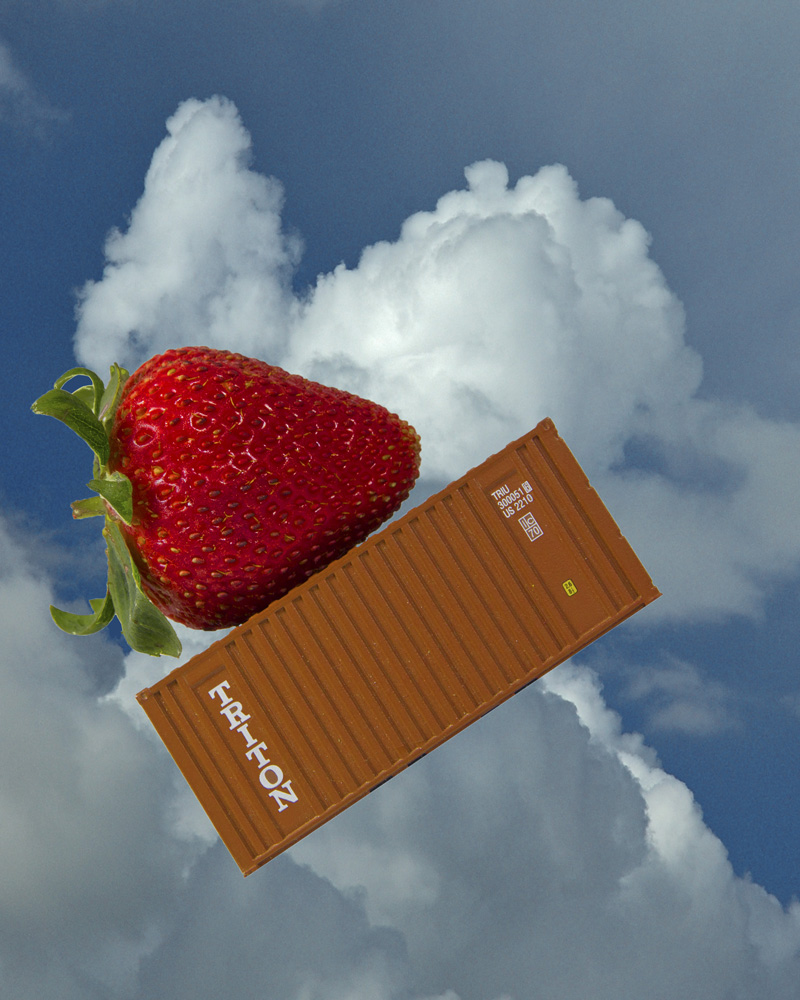
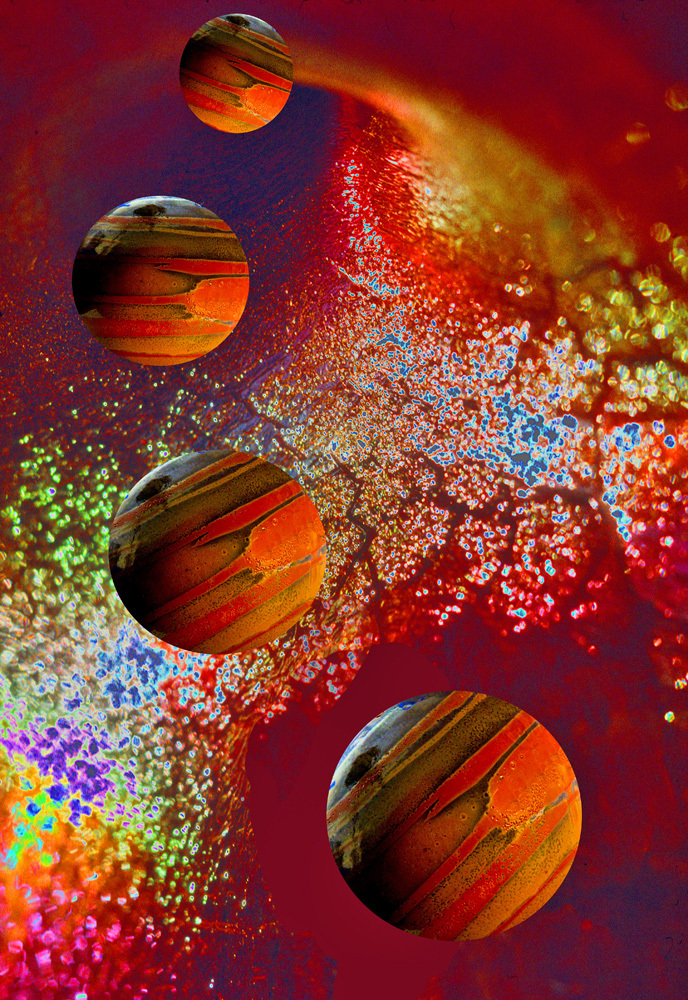
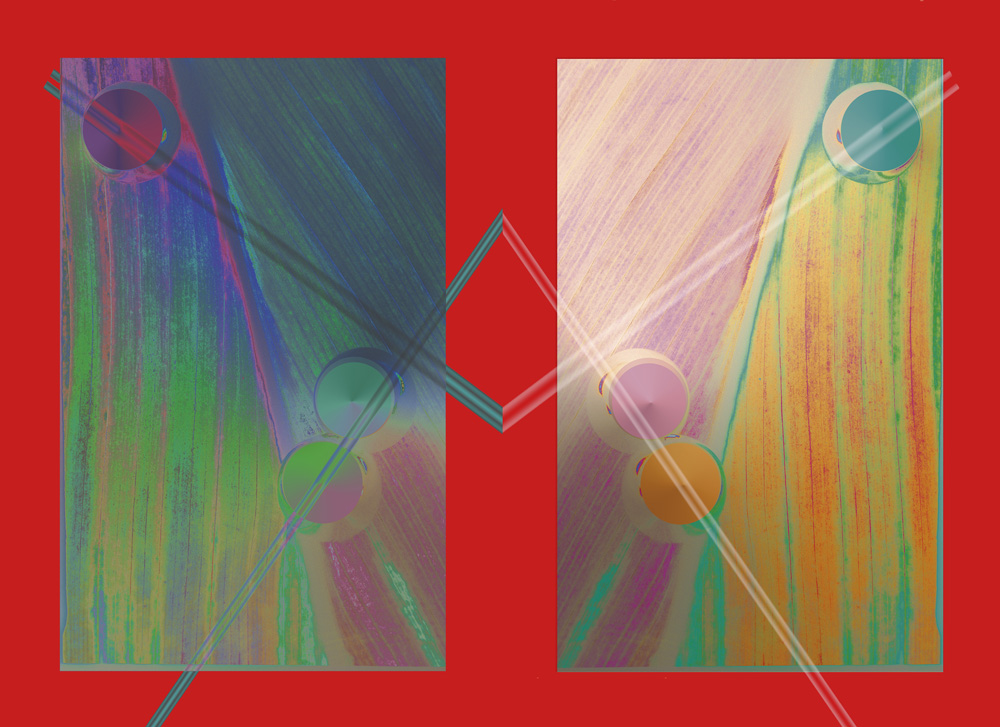
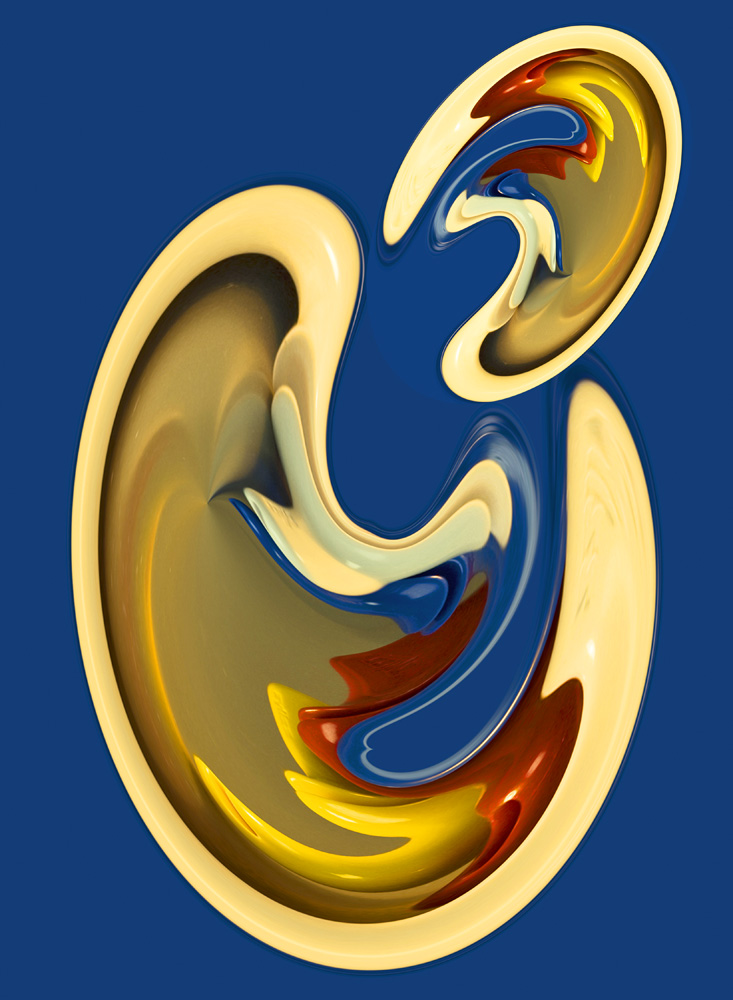
“How did you think of that?” is a very odd question. It’s much like asking a composer how he/she thought of a tune, how a novelist invents a plot and expands it into a book, or how a cook provokes one’s palate with unusual ingredients. We all create images in our minds, and they come from the many, many fingerprints on our lives: relationships, education, experiences.
My imaginary friend is prolific and insistent, because I think she feels so welcome. My life depends on her. Occasionally, she’s like a feather in the wind, inviting me to chase her. This is how we capture a whole world of our own making, and it’s an exercise that’s not directly dependent upon our senses, or upon empiricism. Because it is limitless, Einstein thought imagination more important than knowledge.
I don’t know precisely how these images come to me, and that thought has never interested me, but they’ve been doing so for a very long time, and I expect them to continue. I couldn’t bear to lose the companionship of my imaginary friend.
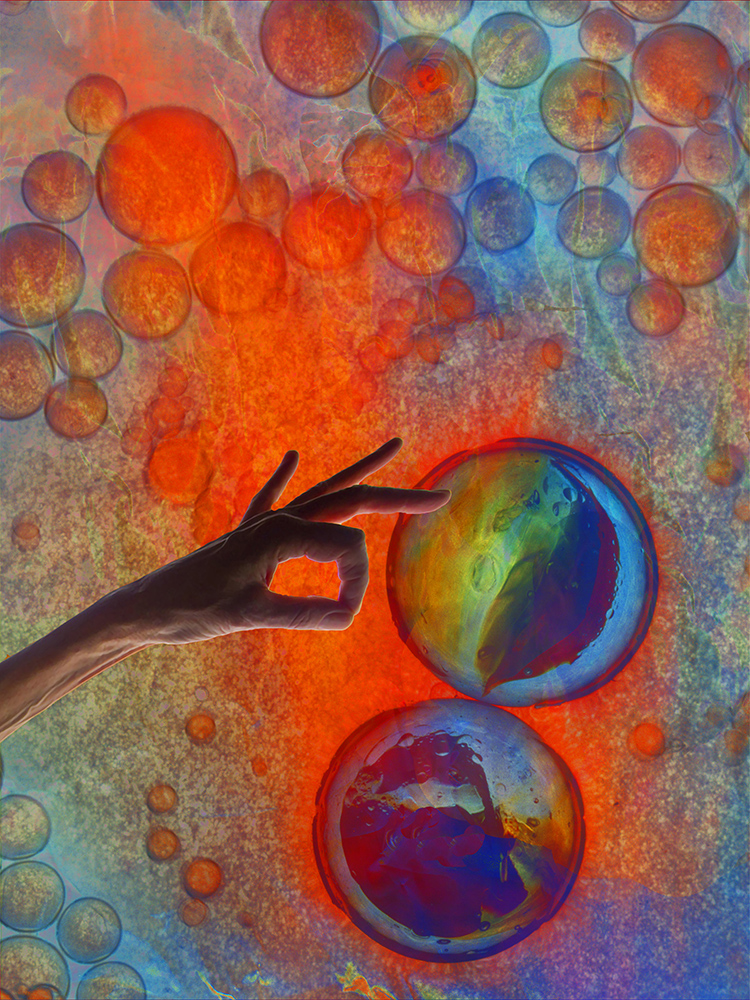
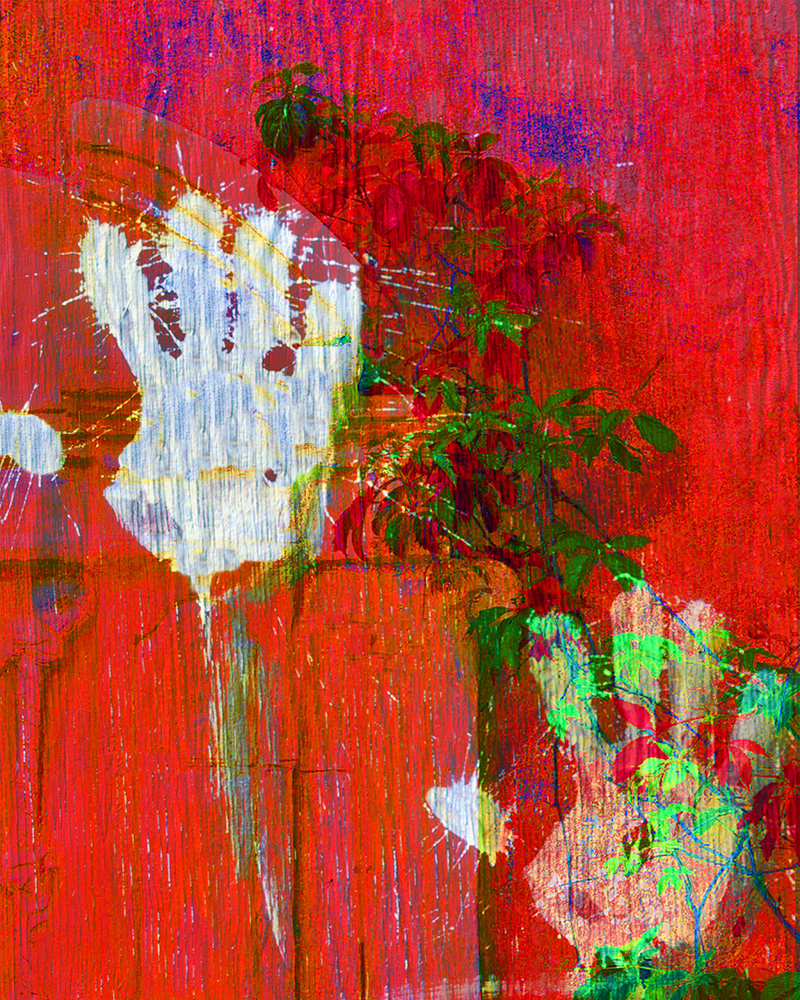
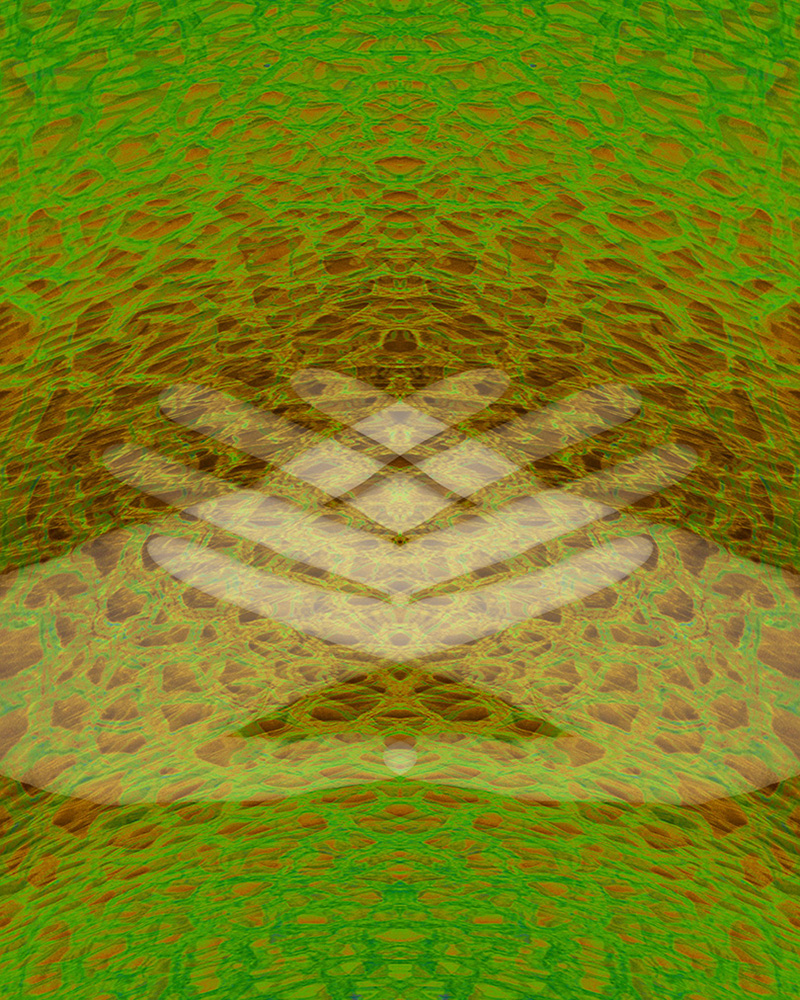
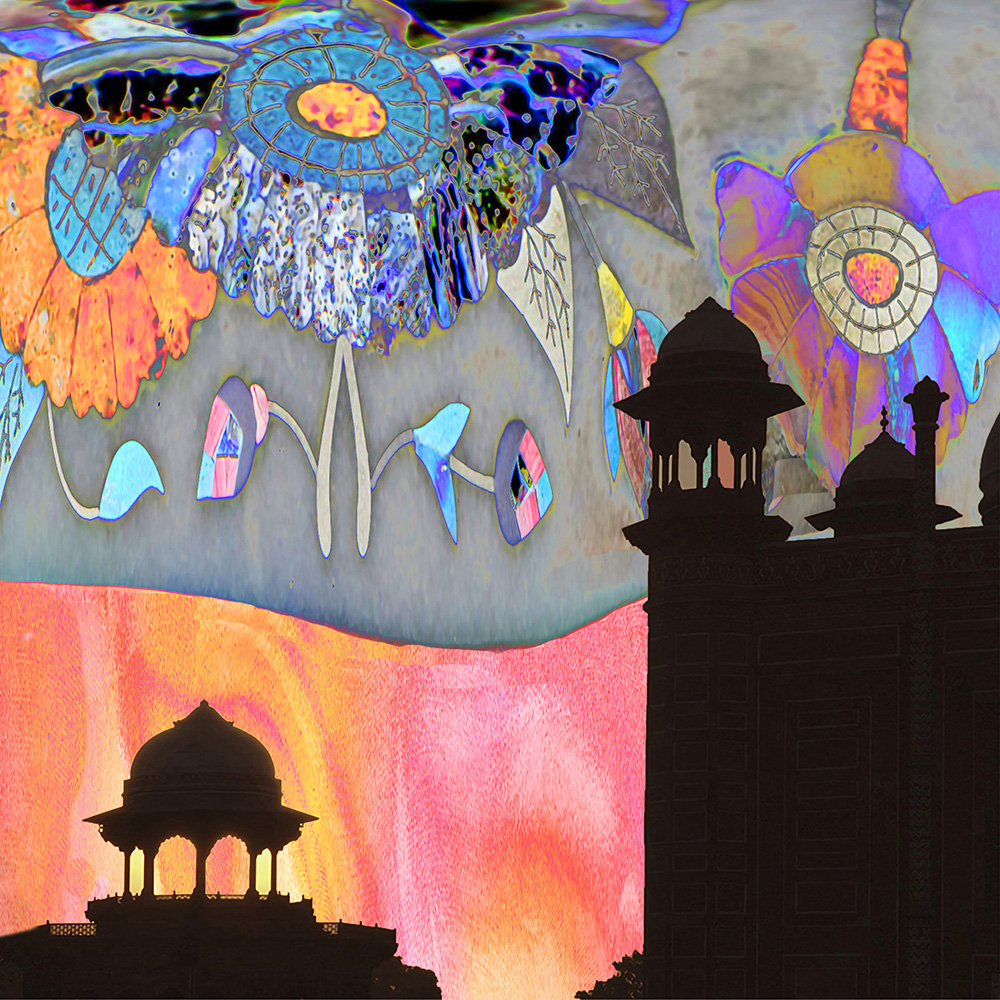
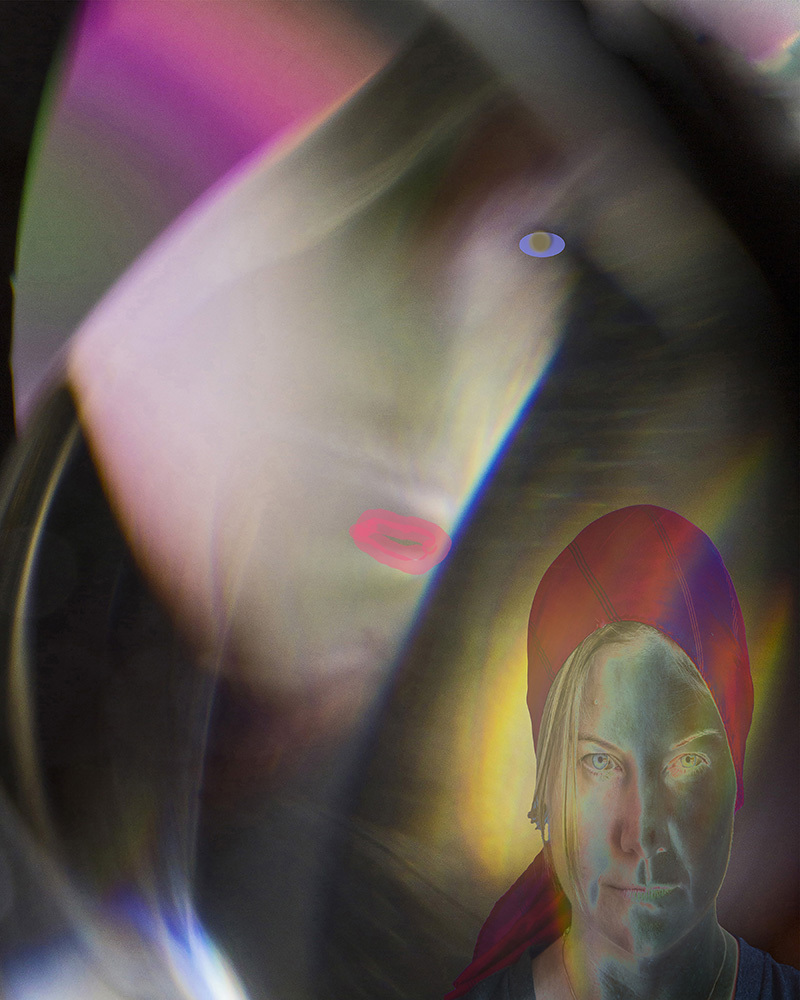
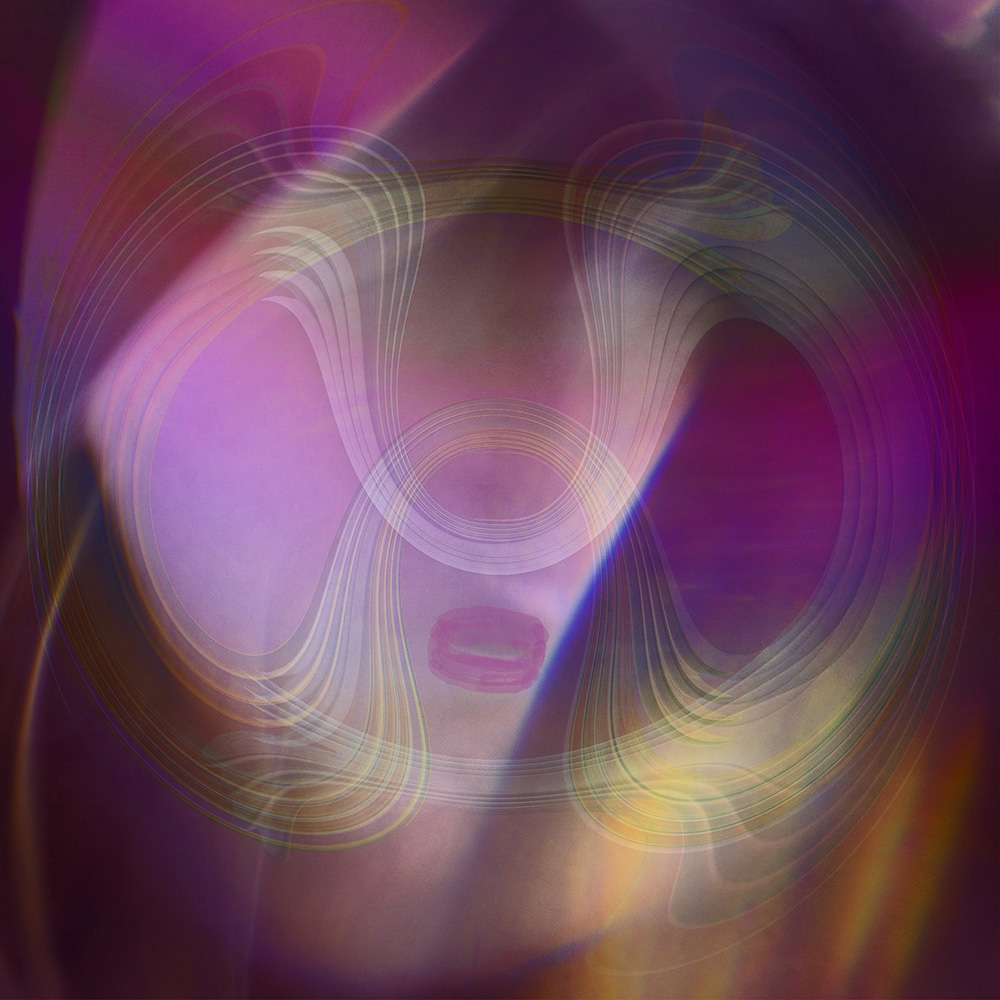
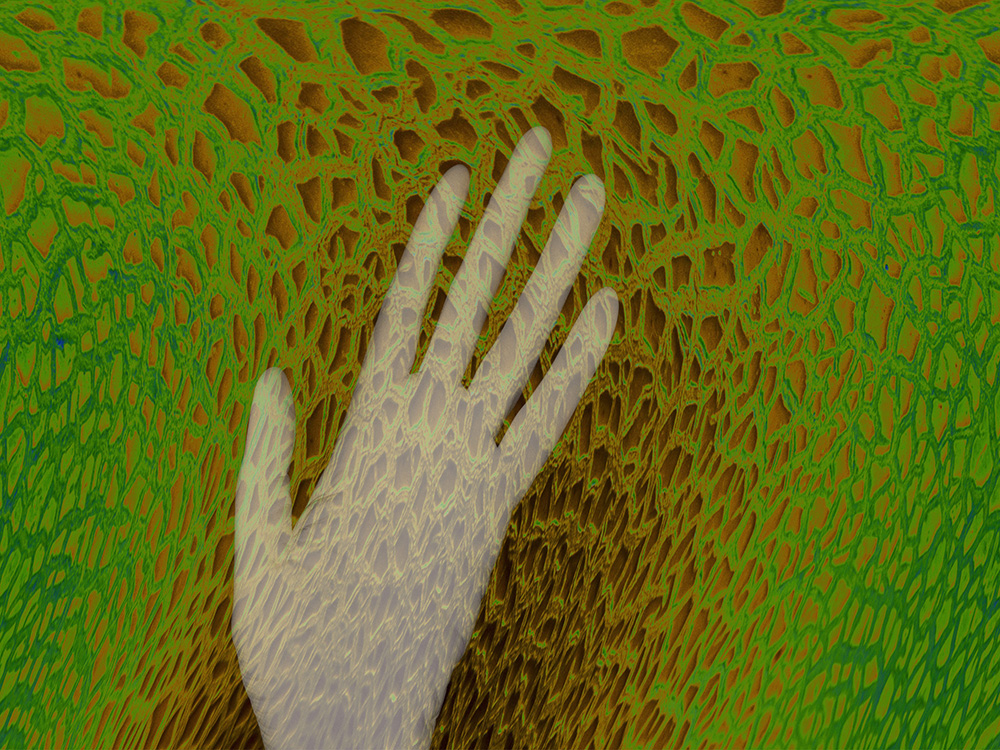
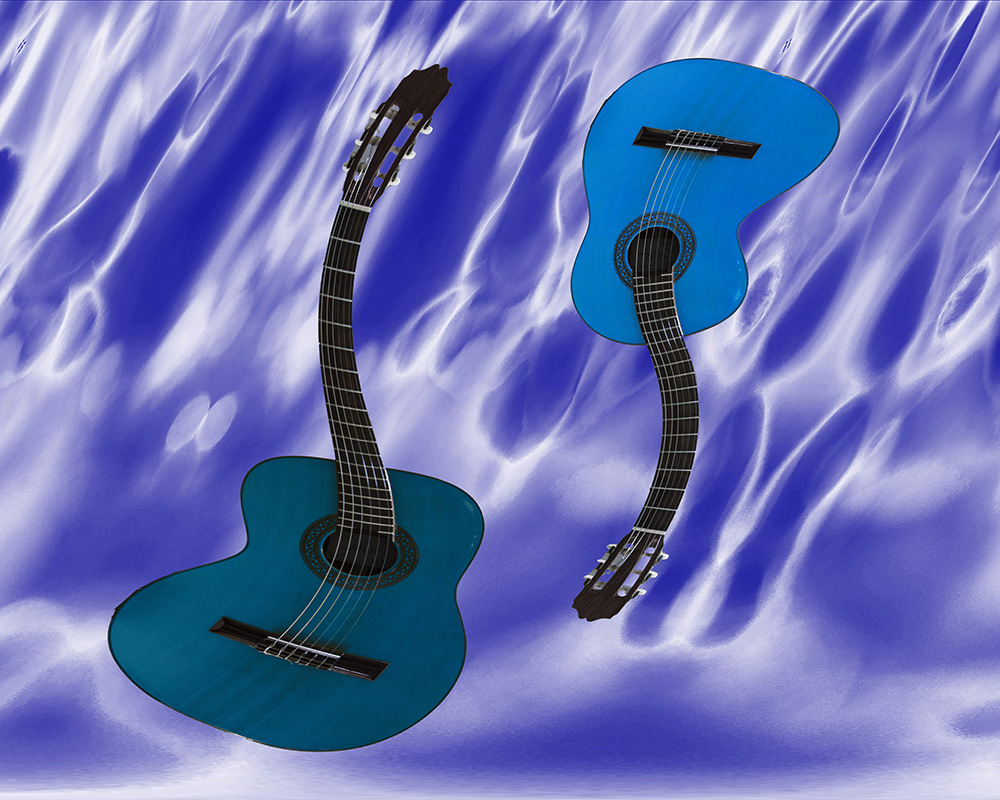
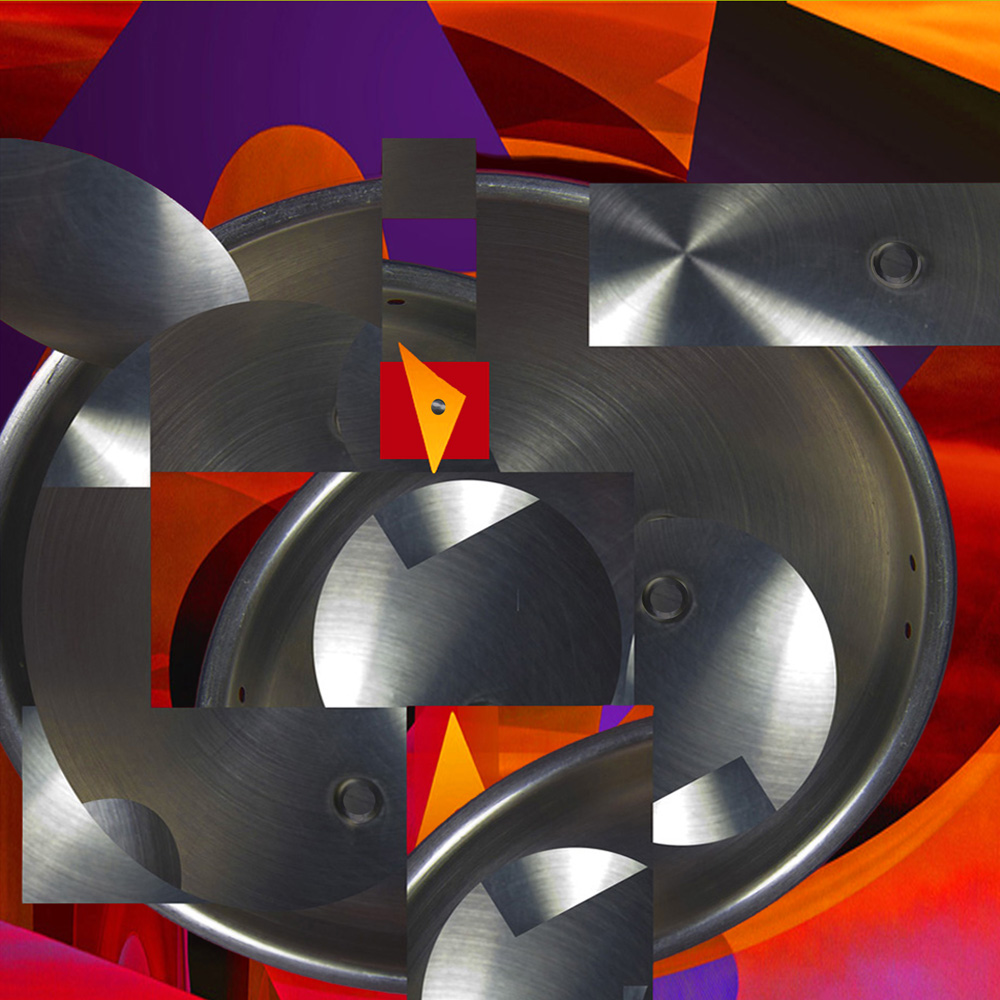
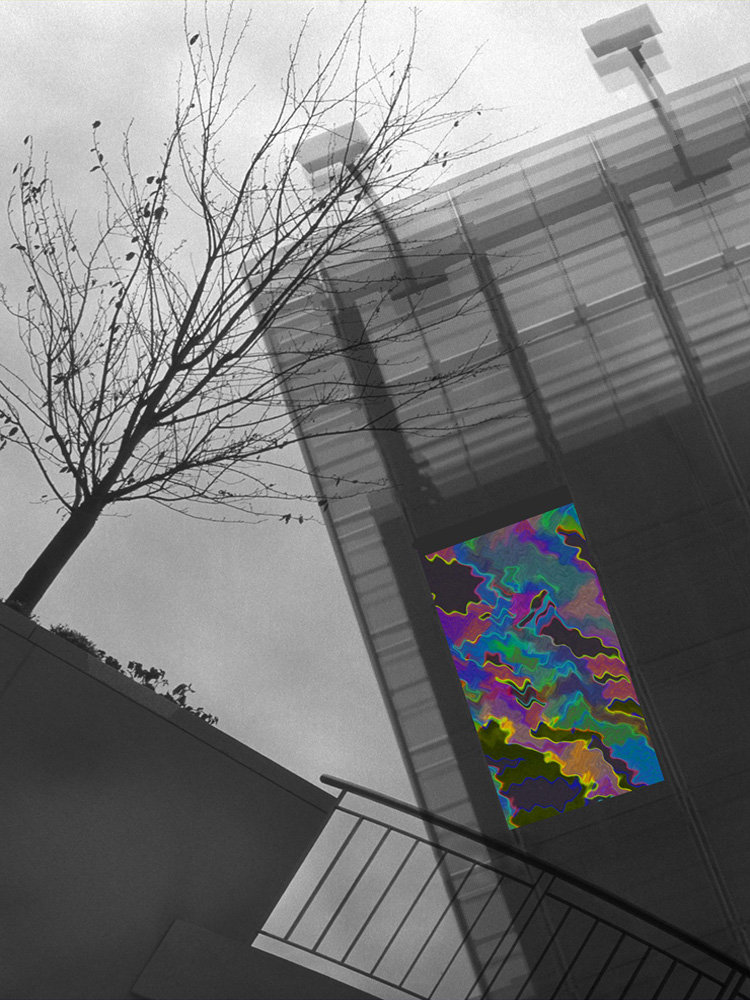
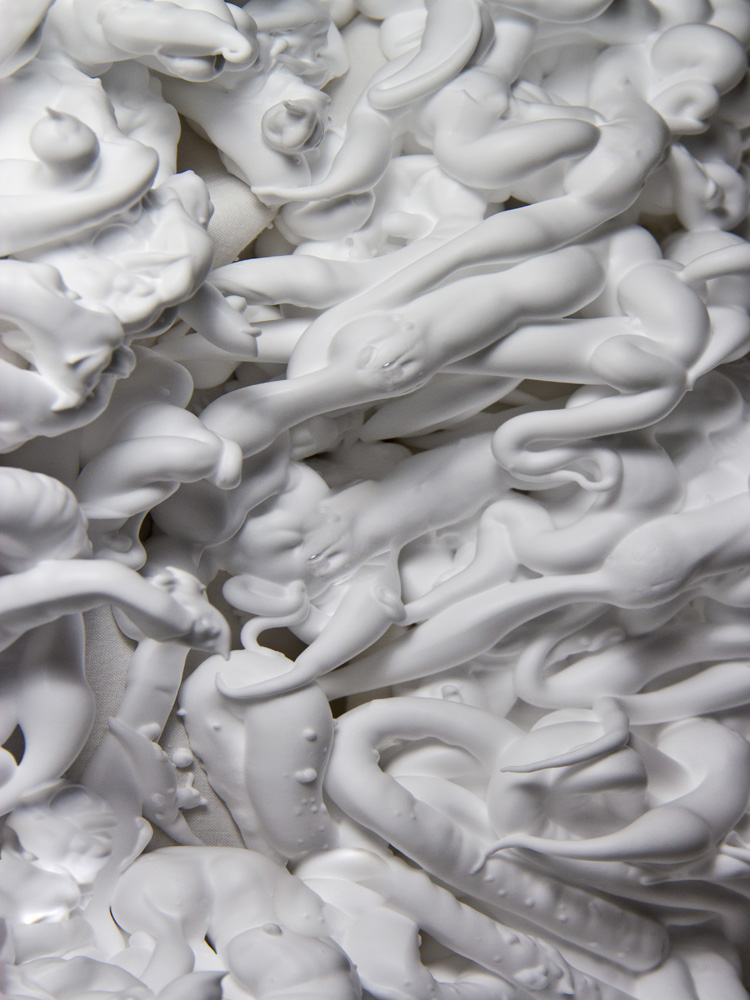
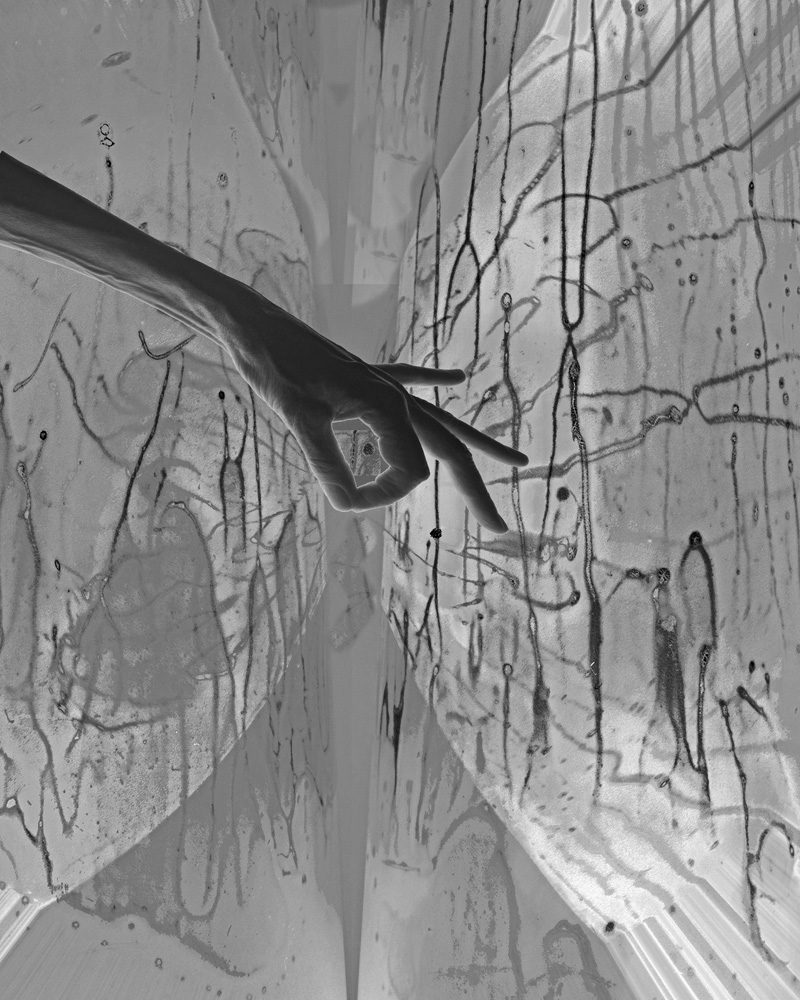
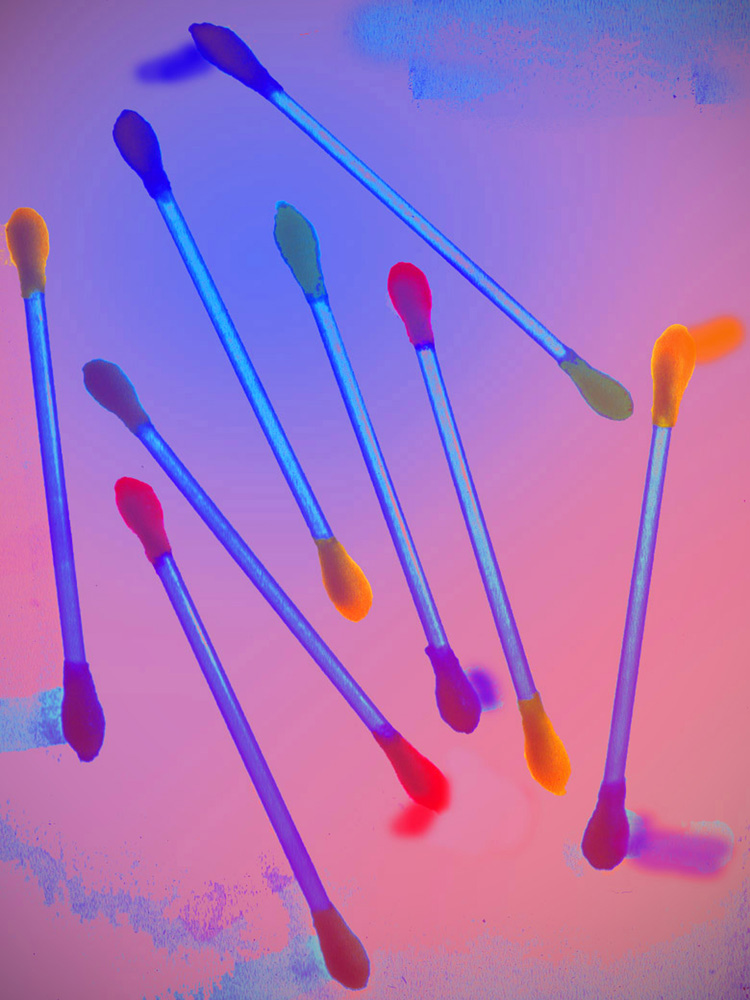
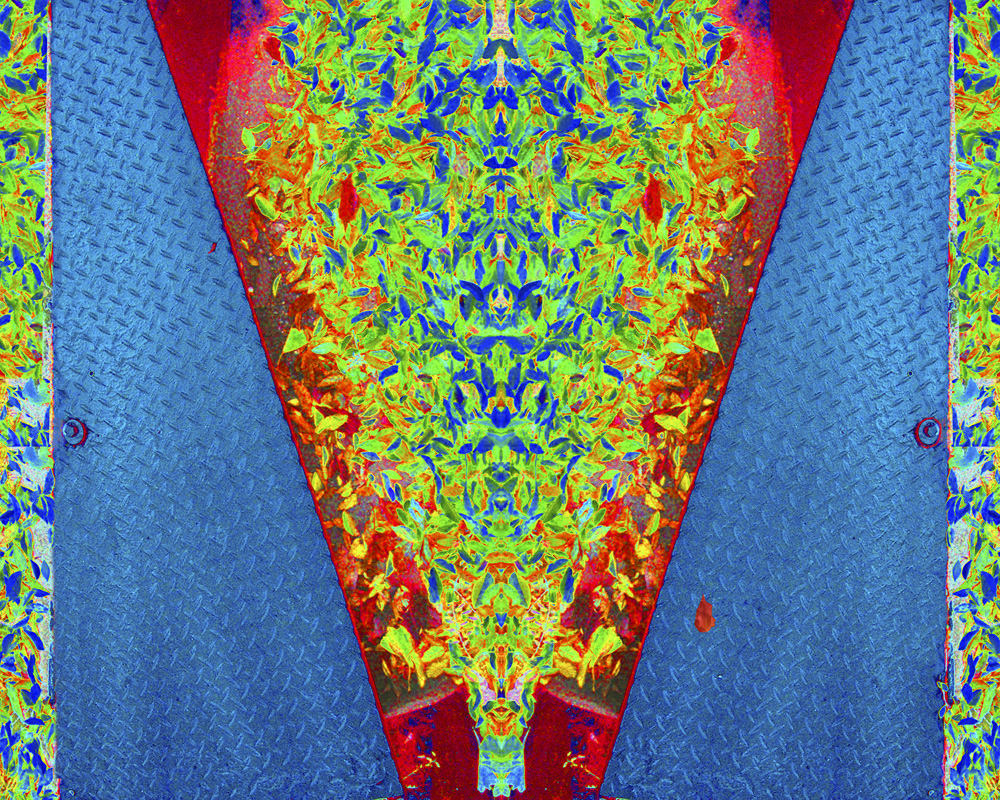
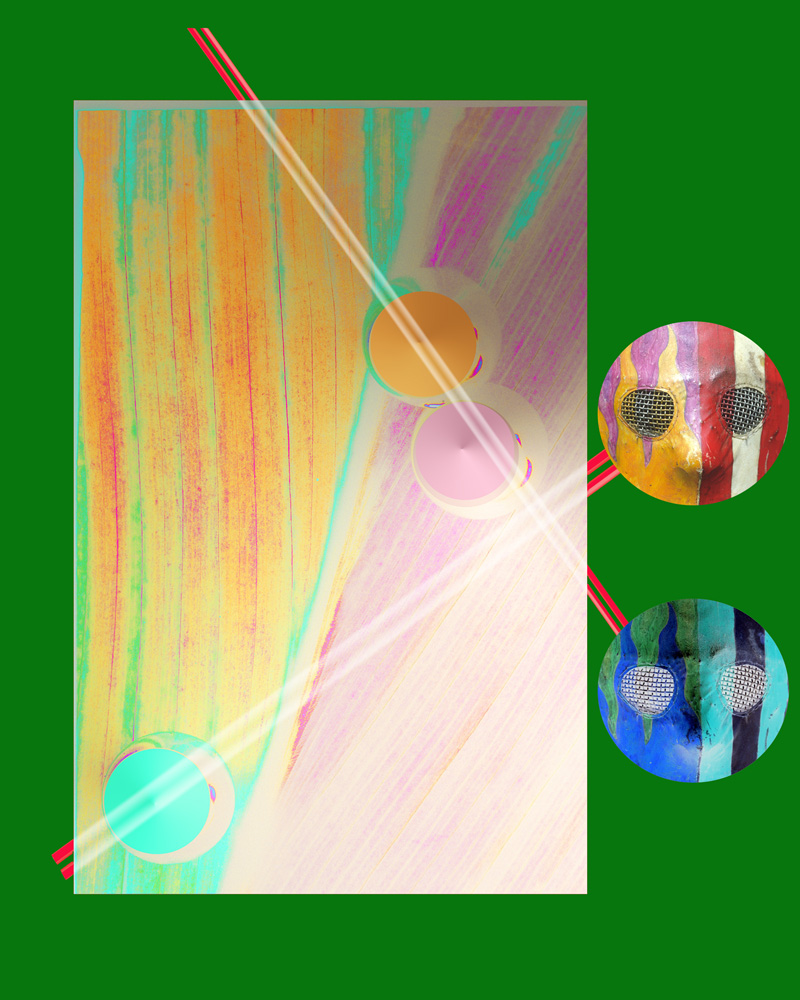
Almost all of these photographs were made inside my home, and the kitchen supplied most of the artifacts used. There’s something wonderfully liberating about setting limits of time and space: it concentrates the mind.
______________
“This work is fantastic, in the best possible sense of the word. Imagination and skill totally liberated.”
Anne Hammond, D. Phil. (Oxon.), author of Ansel Adams: Divine Performance (Yale University Press)
______________
“I had a look at your amazing web site and I’m in total shock and awe. I have no idea how you did that, both technically and how you imagined it. I suspect you will discover that when we chat about what is presently known about the visual system that you will see that you probably know more than any neuroscientist about what is going on. Artists have made discoveries about the visual system and perception centuries before the scientists made those discoveries.”
Stanley A. Klein, Ph.D., Professor of Vision Science, University of California, Berkeley