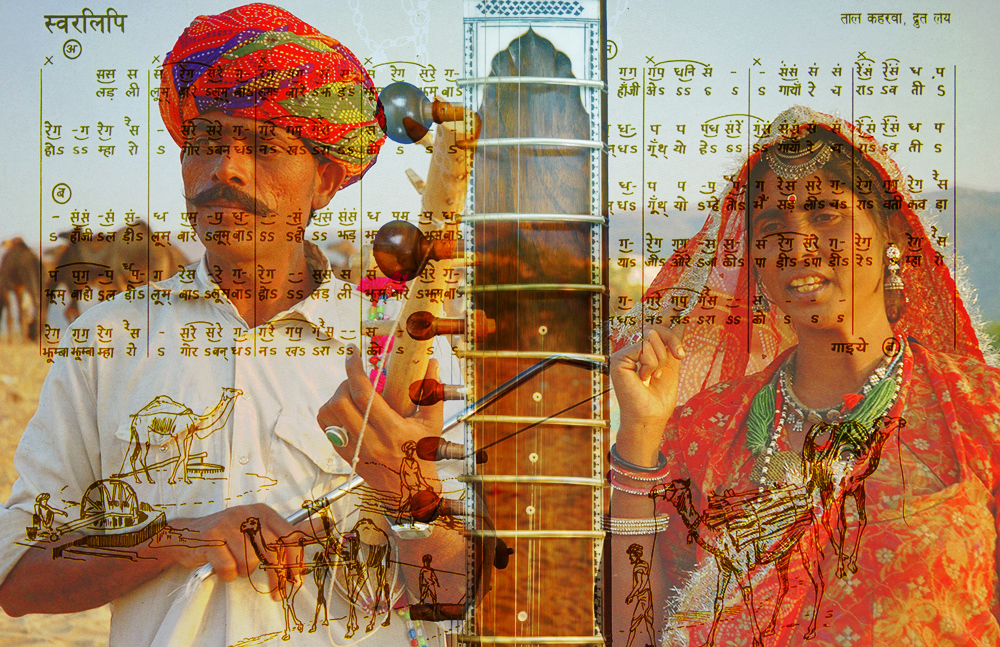
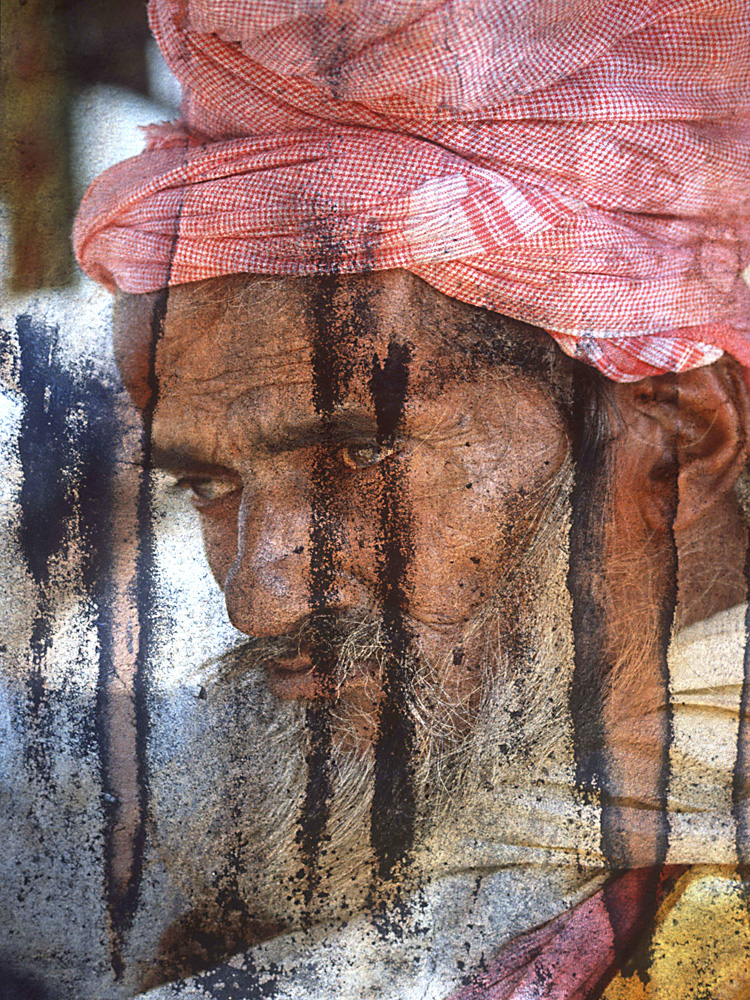
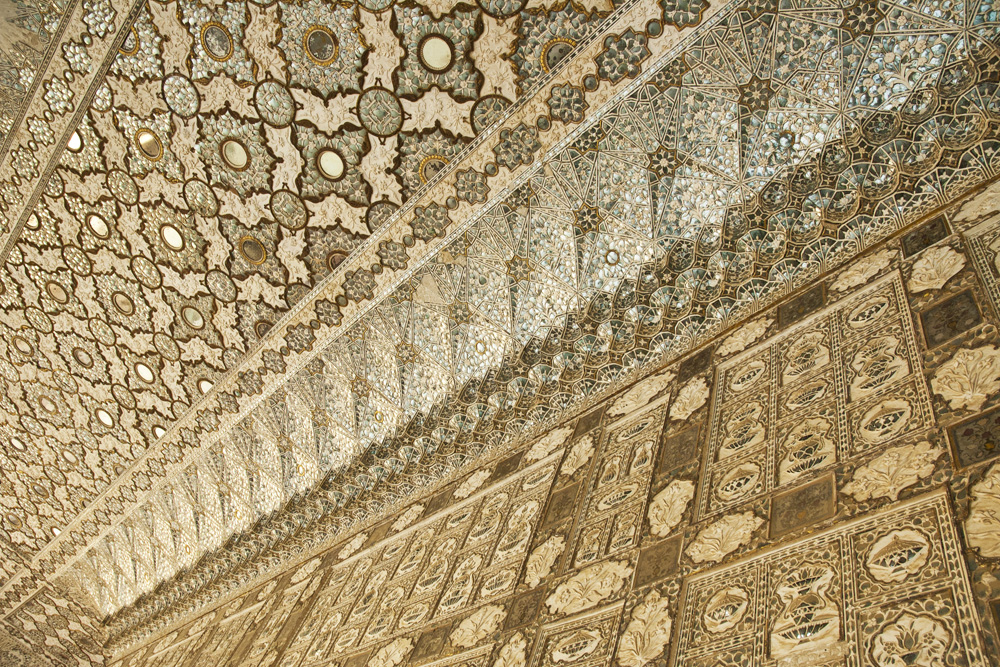
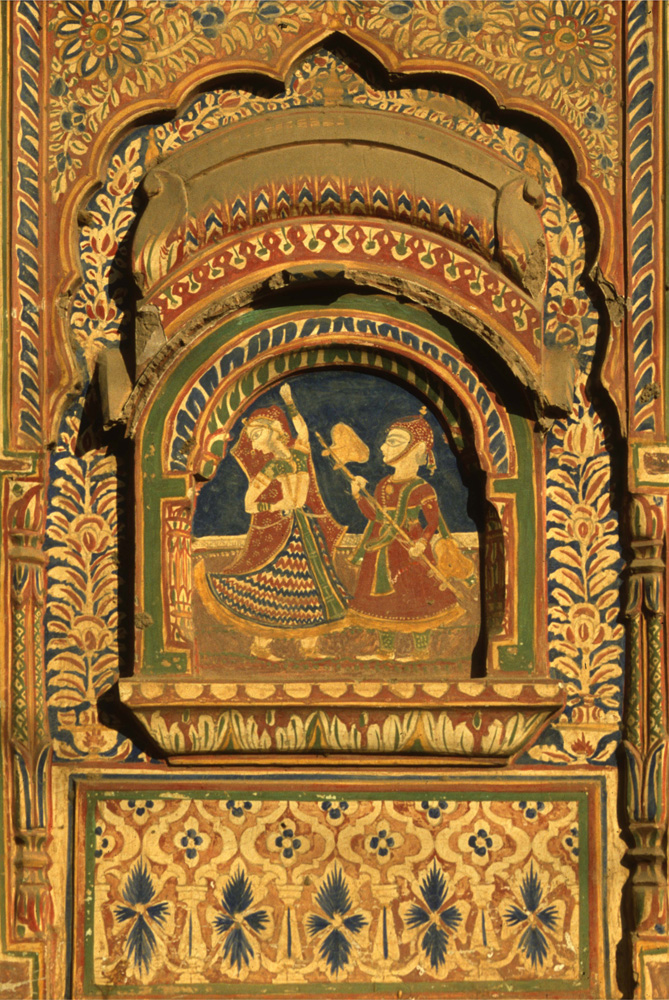
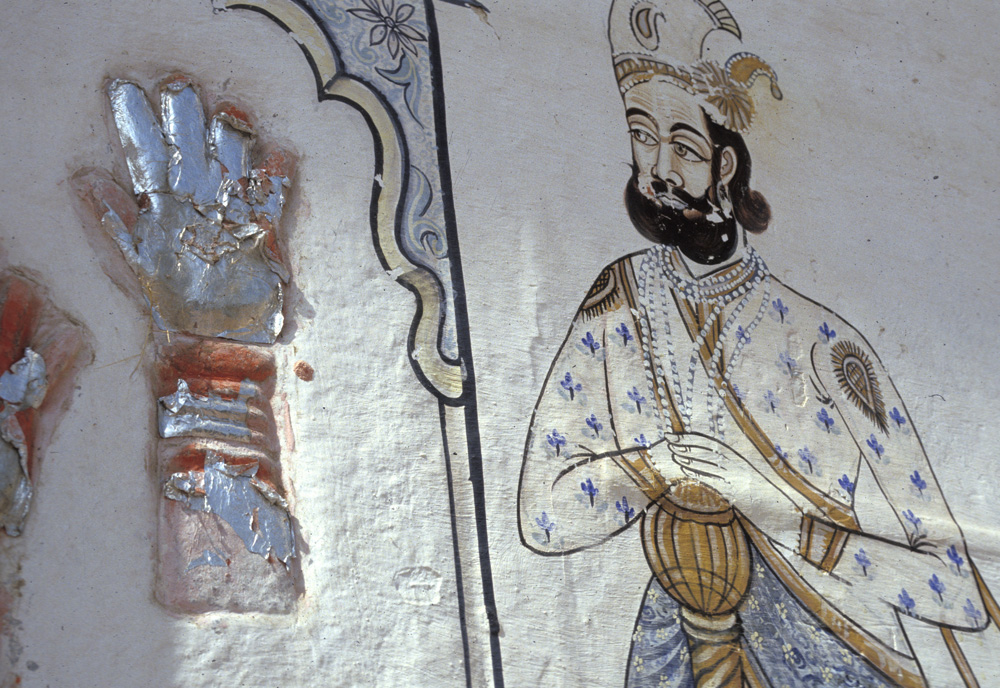
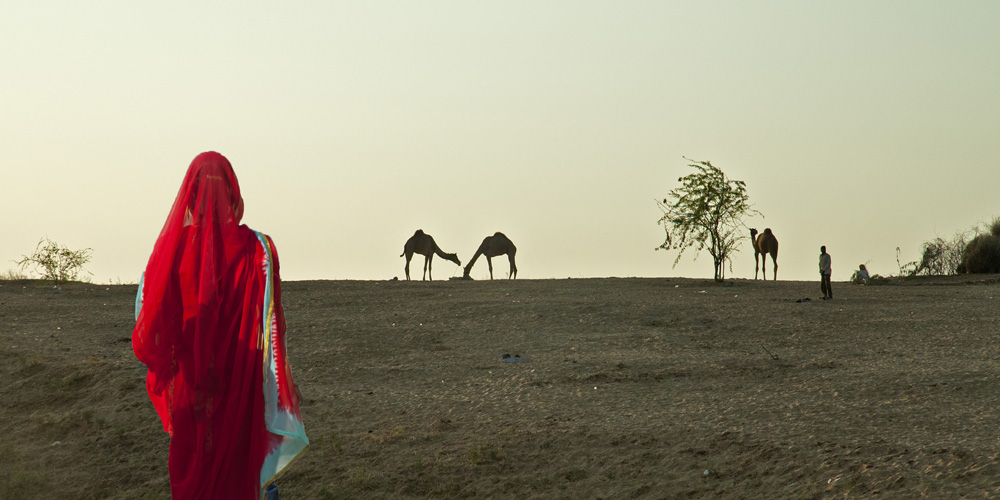
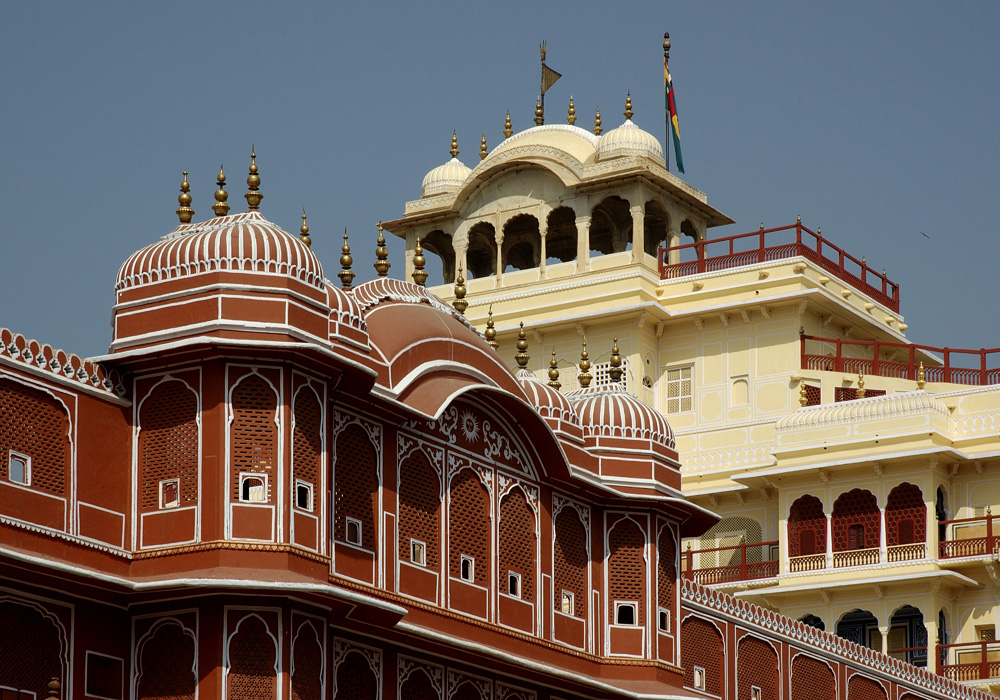
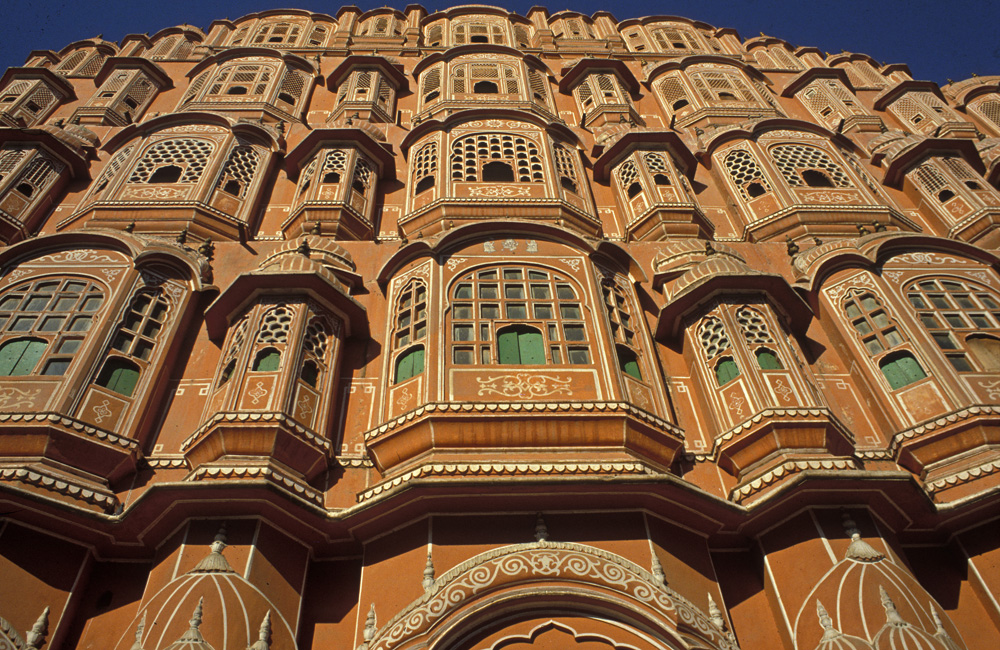
A largely harsh desert in the Northwest of India, Rajasthan has been, for most of its history, a land of ancient princely fiefdoms, chivalric traditions, and a hardy people surviving and practicing their customs in a hostile physical environment.
Under both Mughal rule and the British Raj, the kingdoms of Rajasthan maintained a high degree of independence. Much of this distinctive culture remains even as Rajasthan moves into the future as an integral part of modern, democratic India.
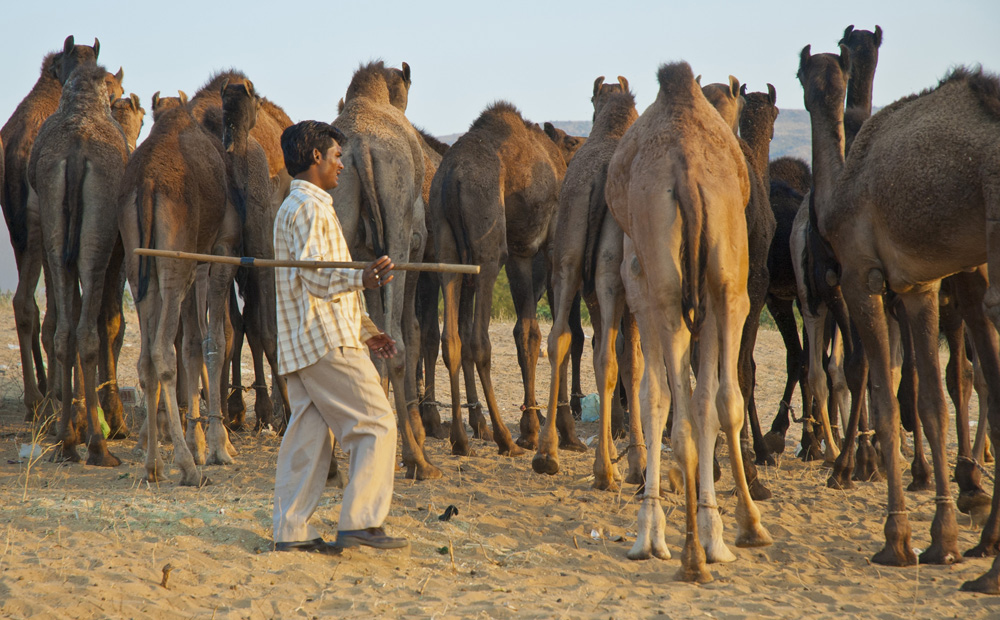
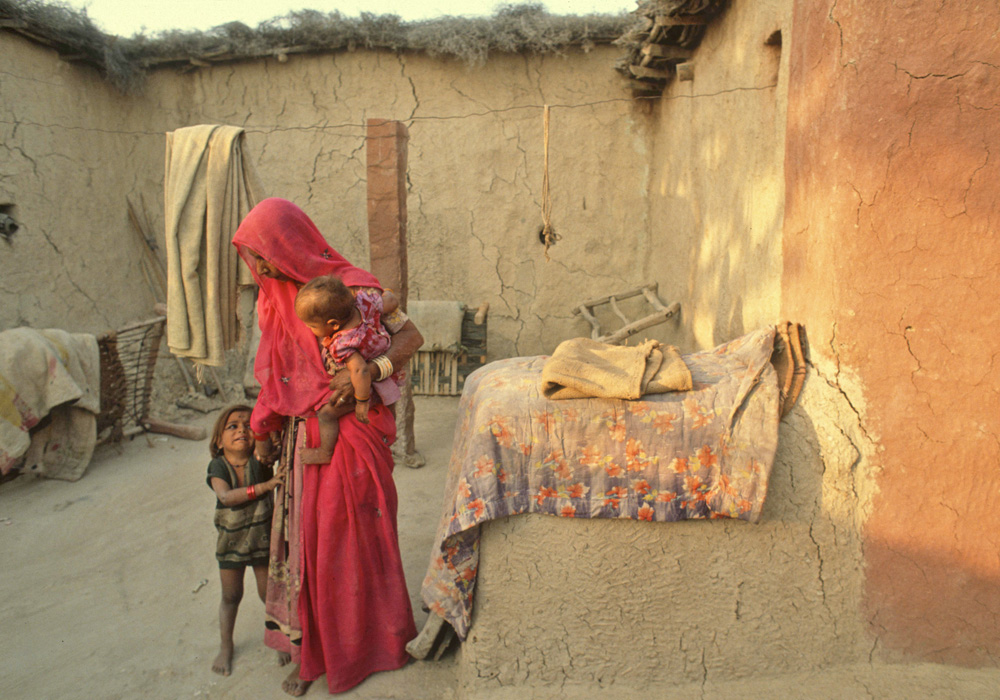
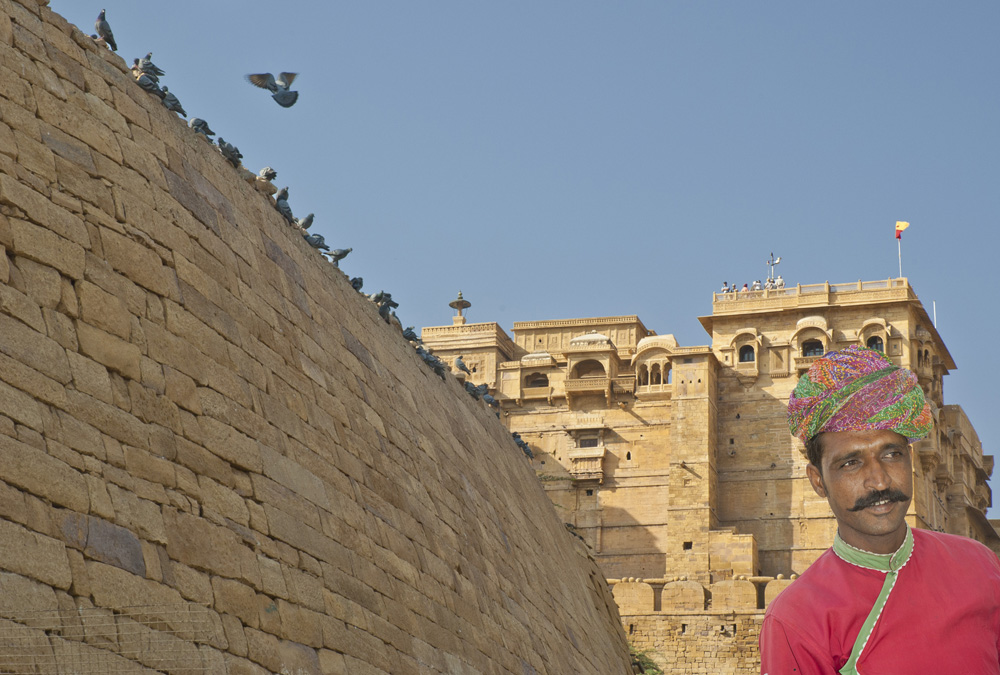
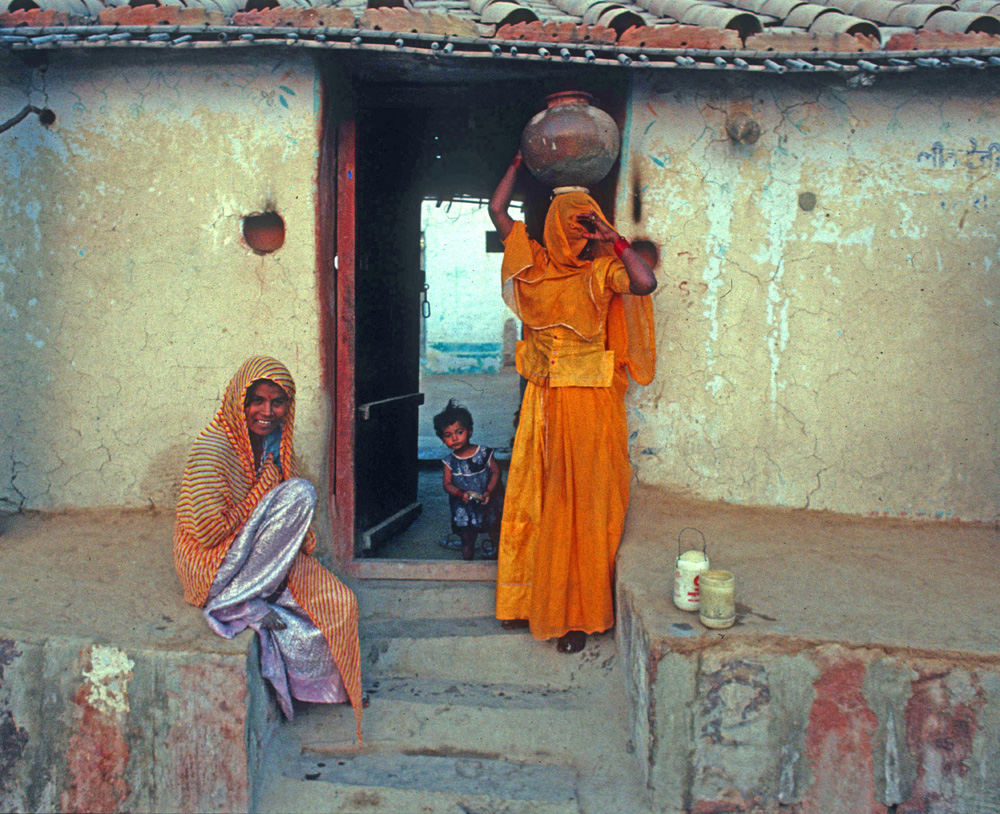
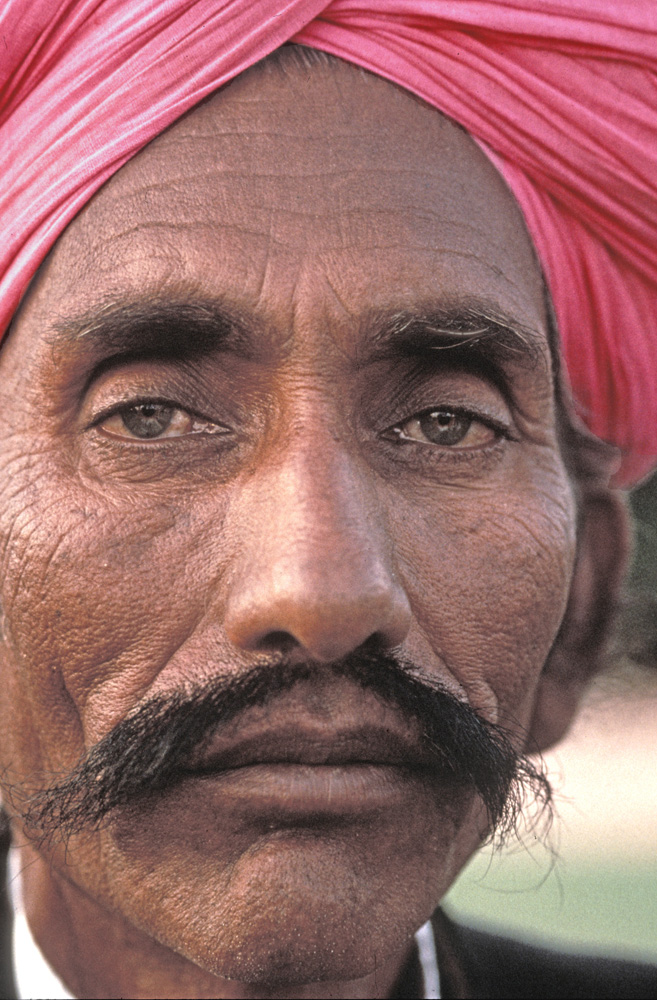
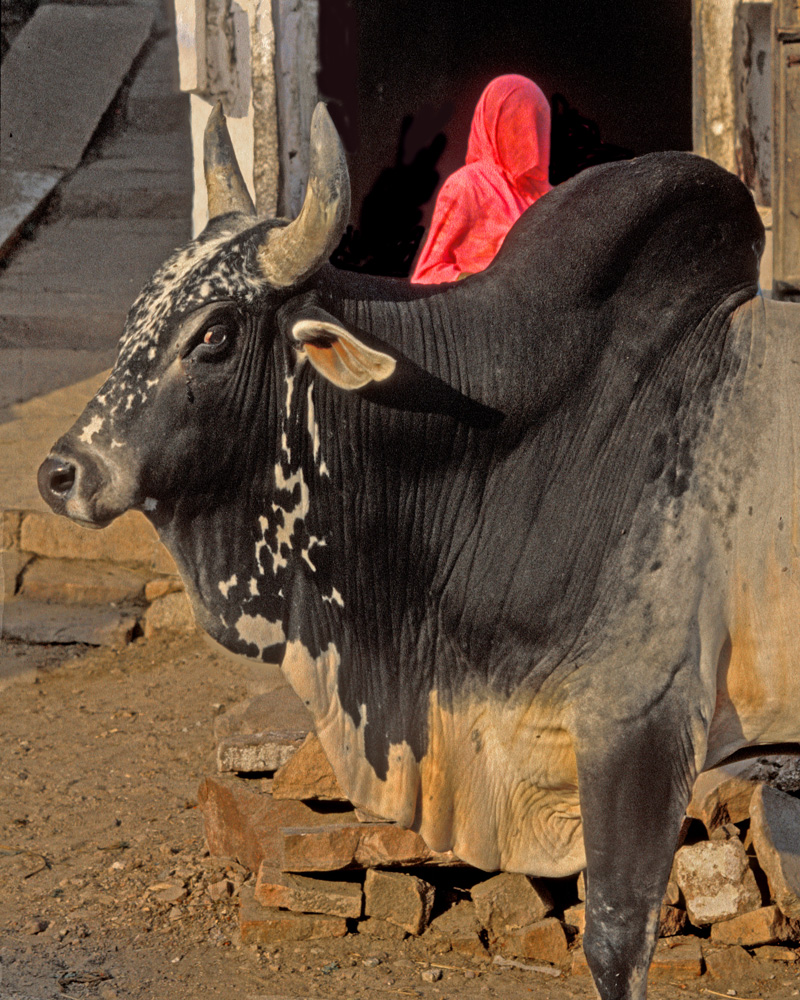
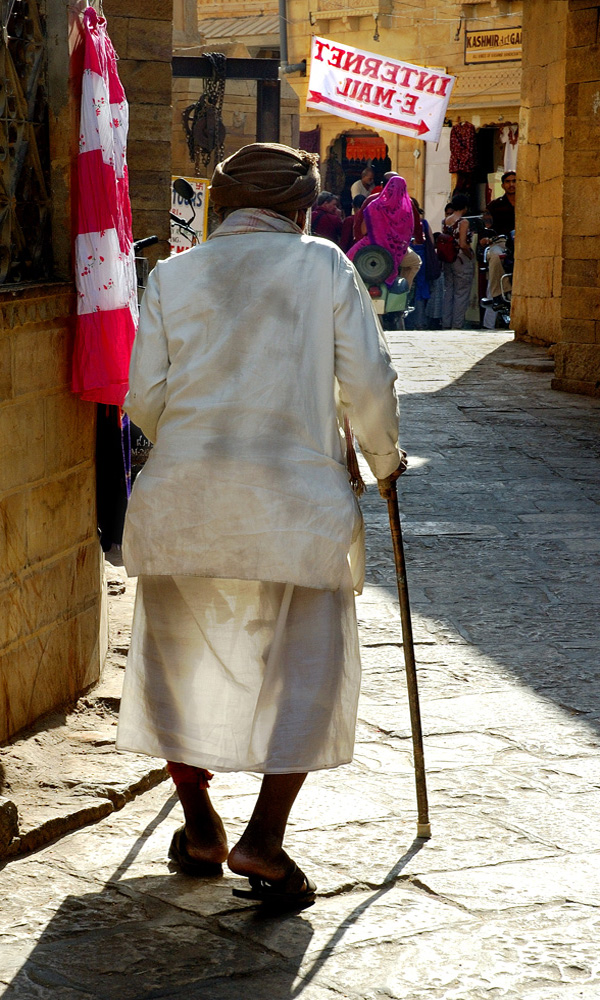
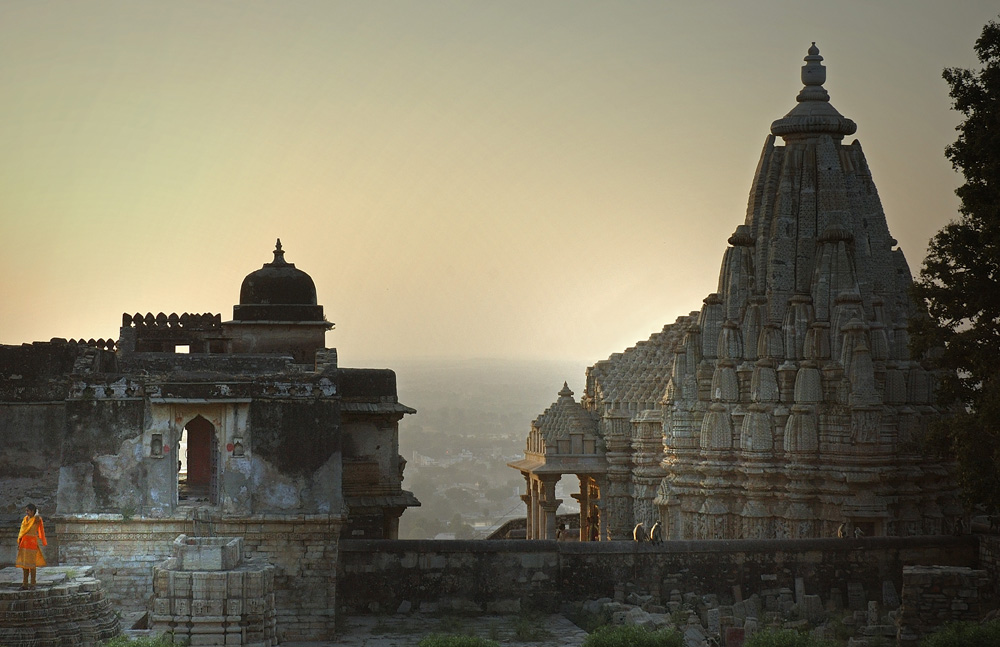
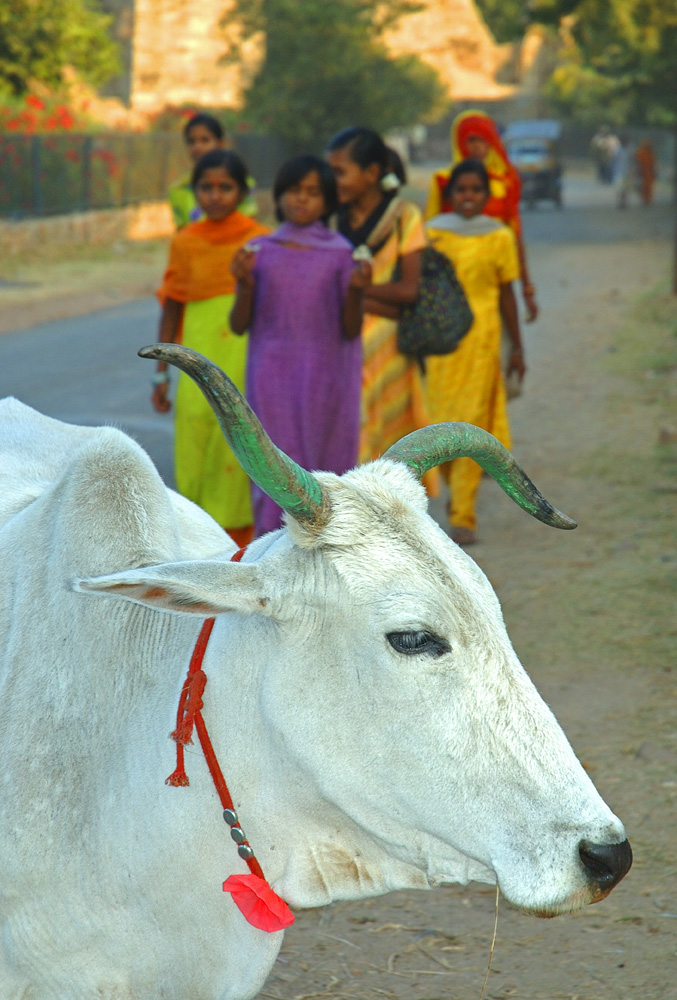
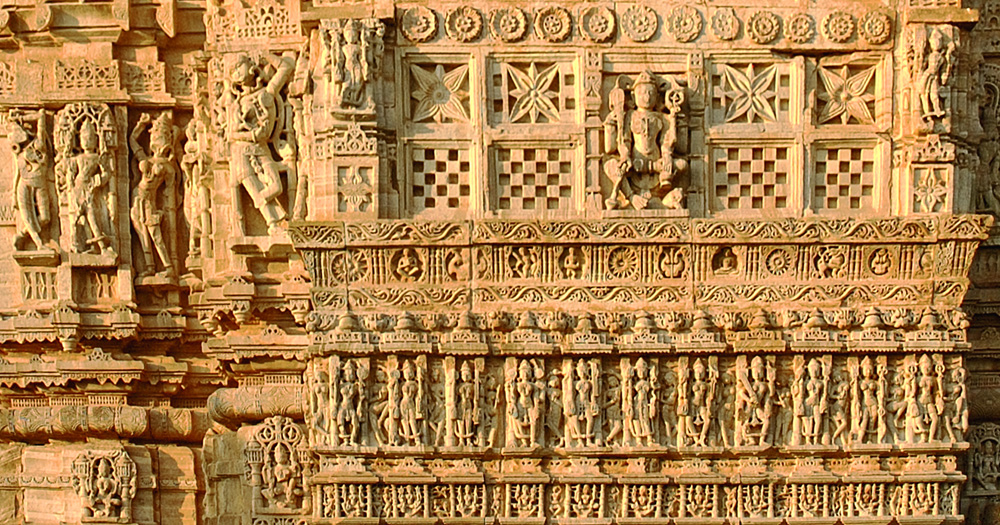
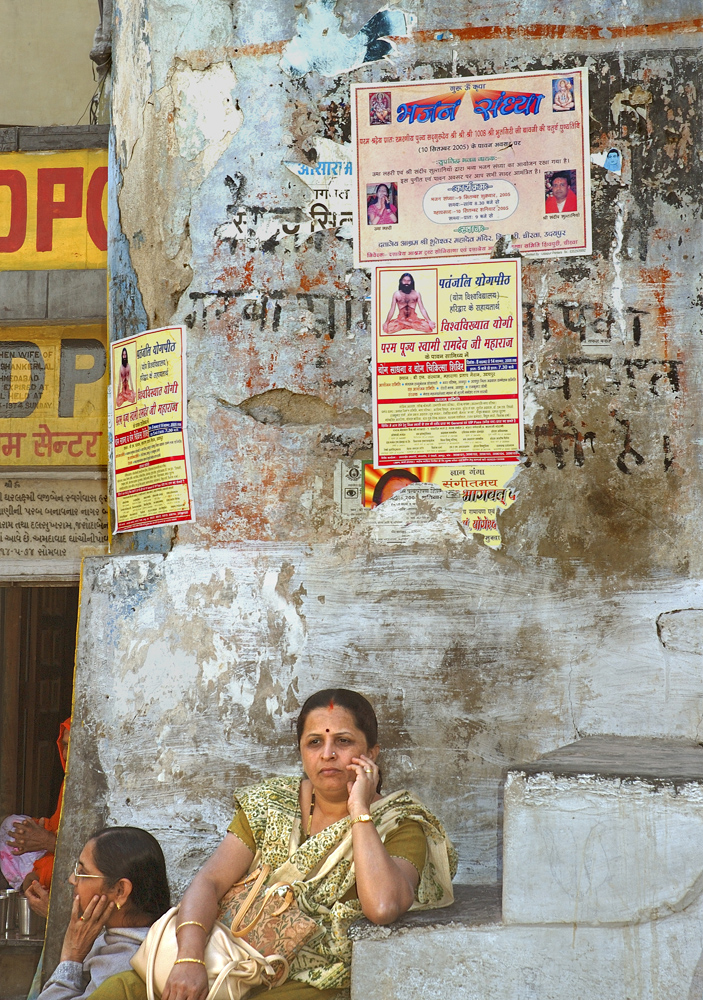
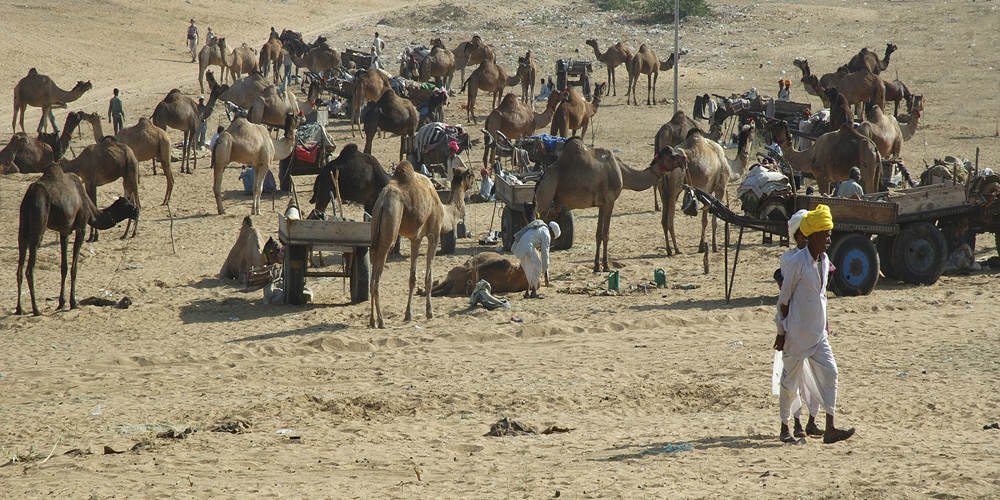
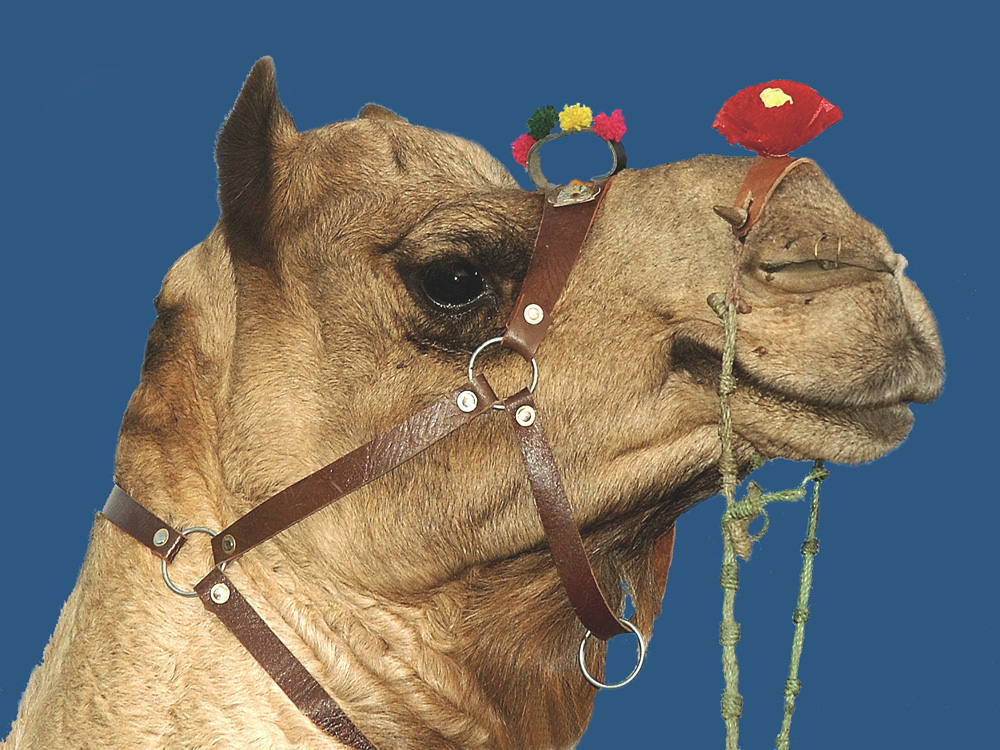
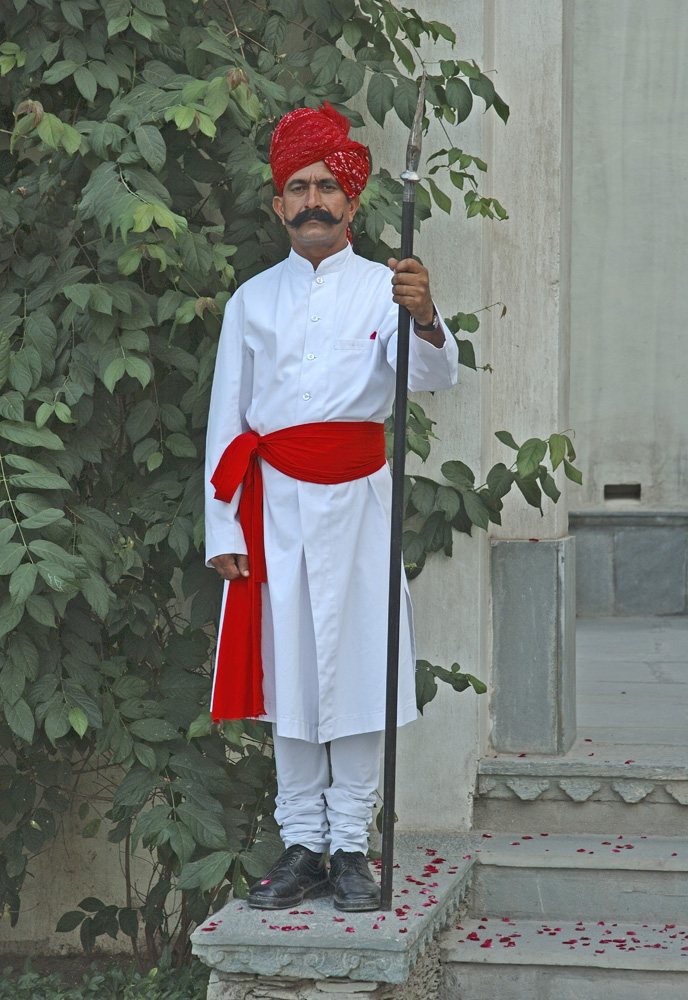
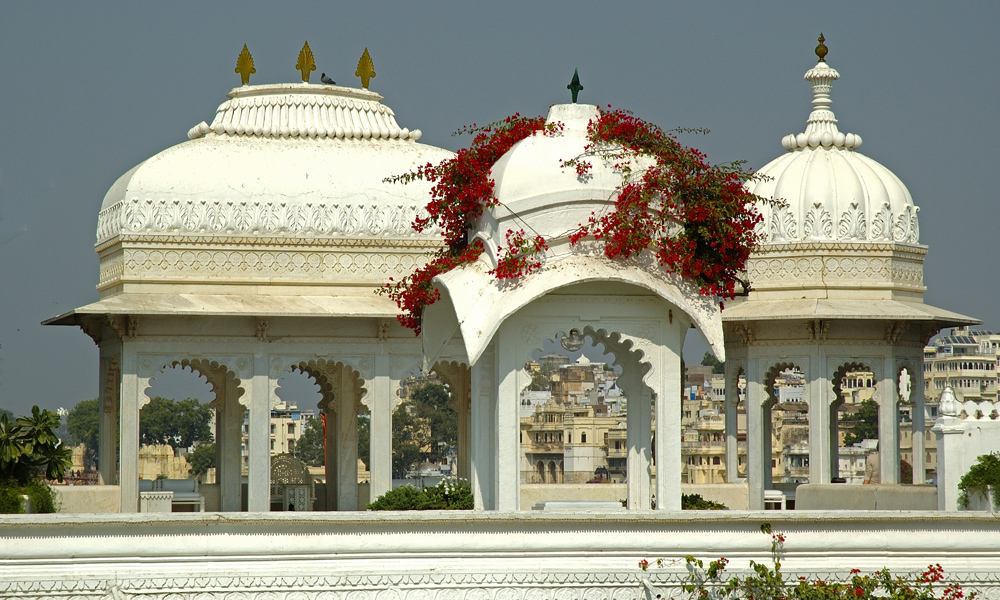
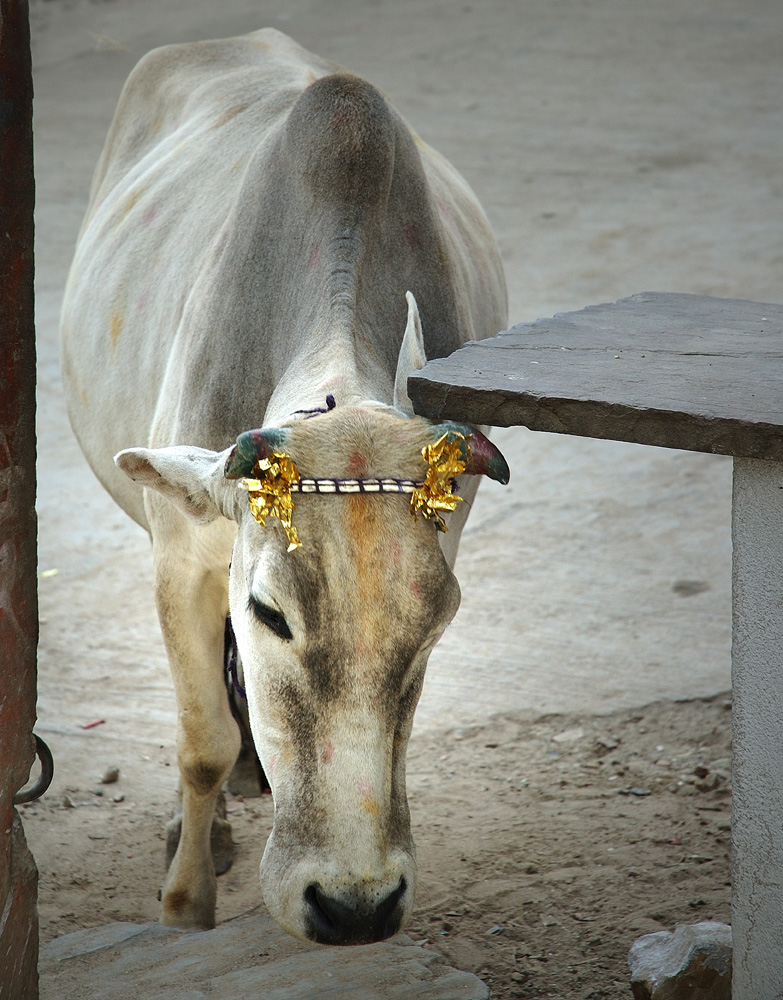
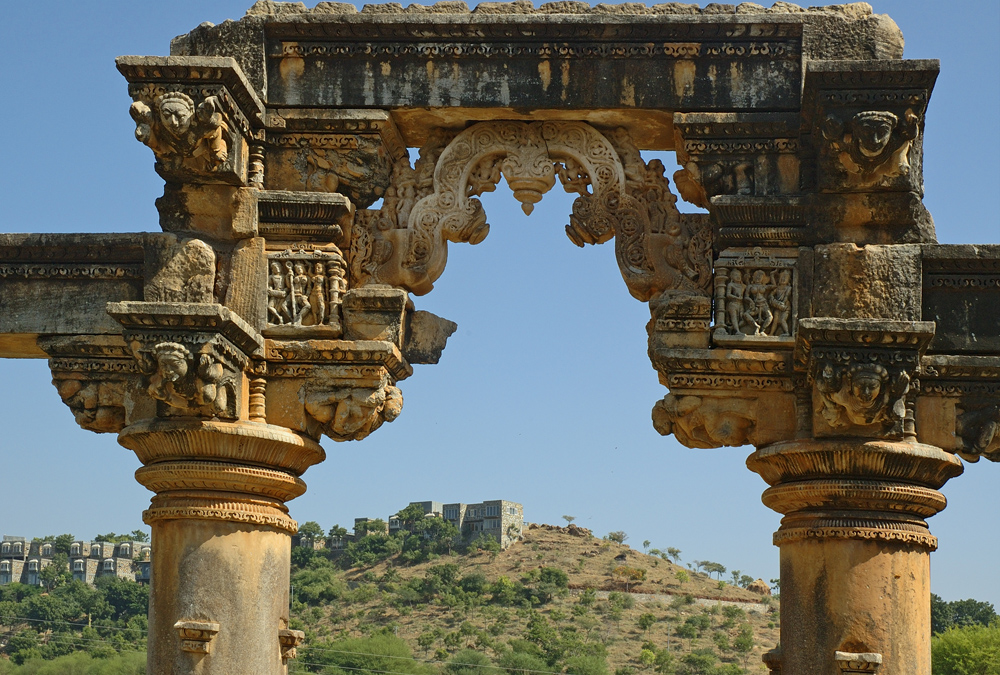
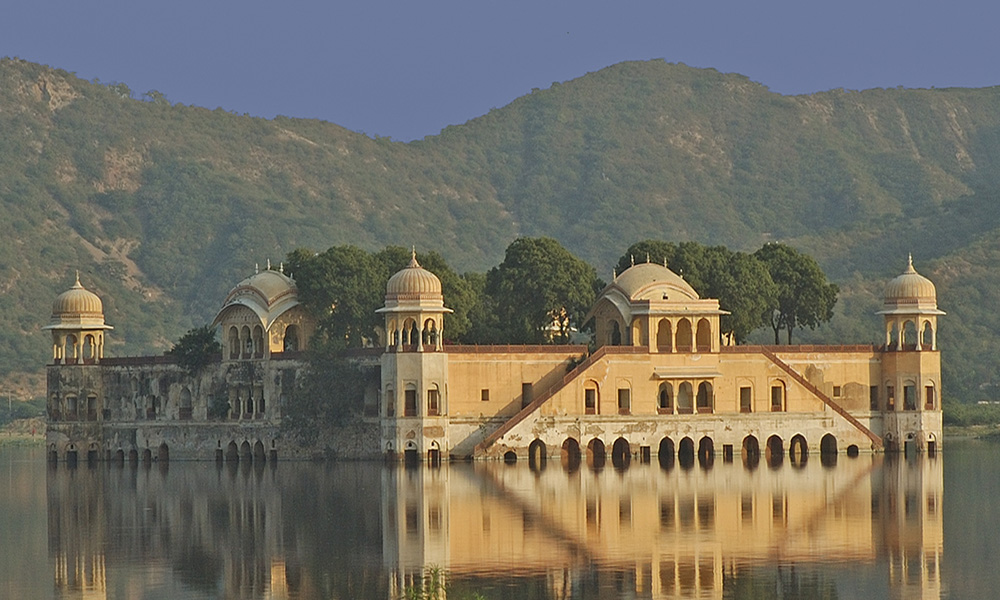
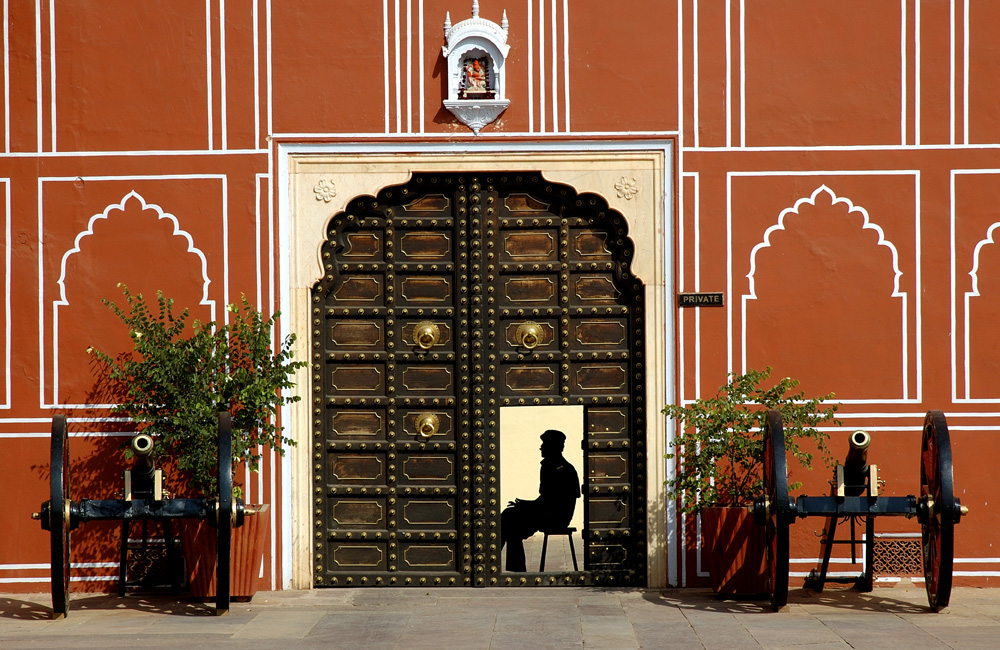
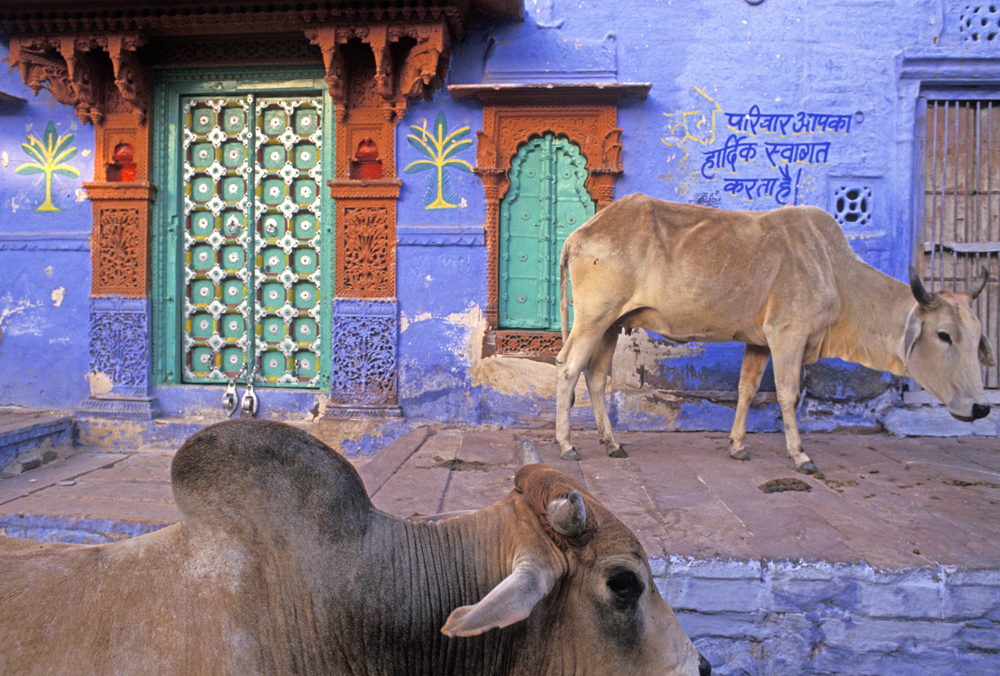
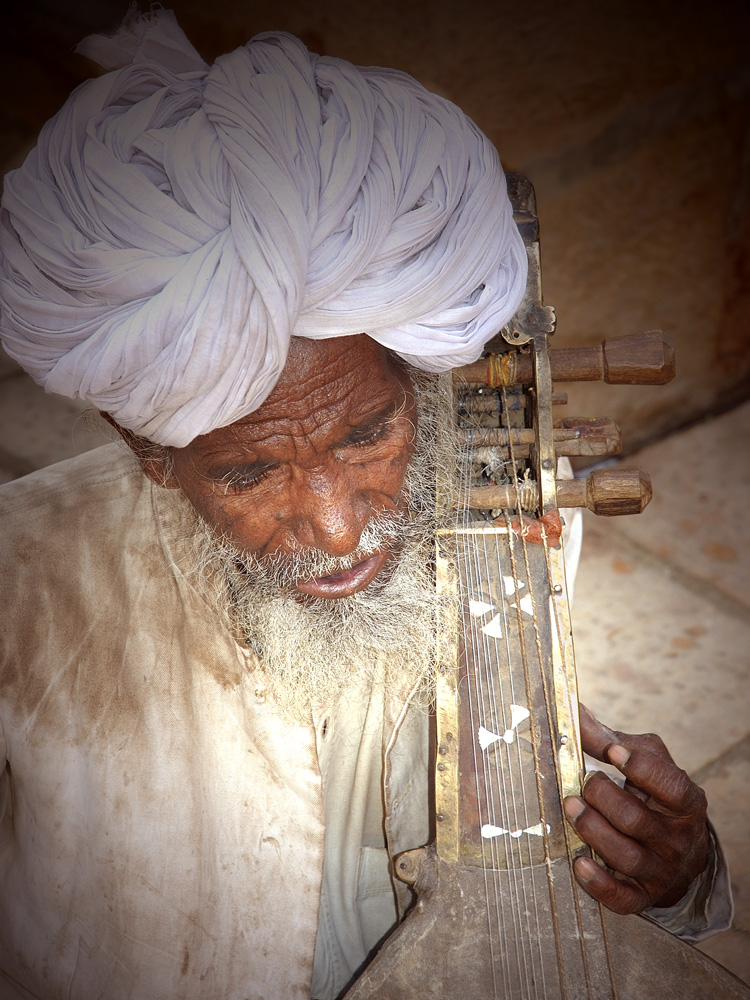
On my several journeys to Rajasthan, I have been drawn to documenting the interaction of people, animals and the omnipresent monuments of the region’s feudal past.
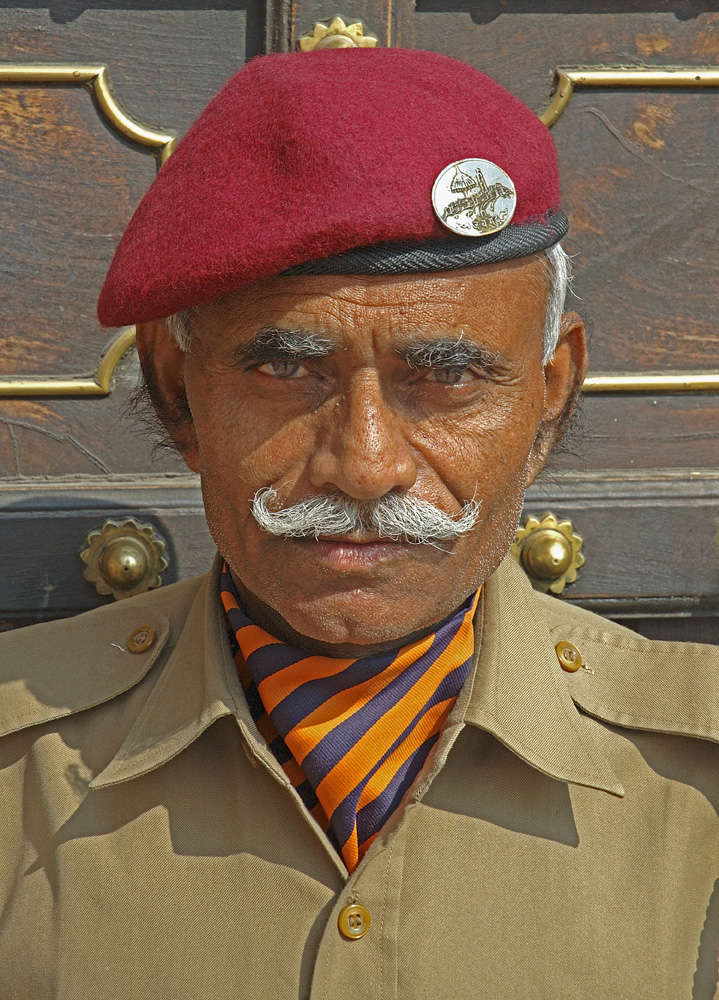
I’ve been intrigued by how traditional and contemporary lives adapt and flourish in this semi-arid region under the weight of a turbulent history. Coming from California, the new world of the New World, I was impressed by the apparent ease with which farmers, camel-herders, children, students, business people and others relate to the symbols of the historic past.
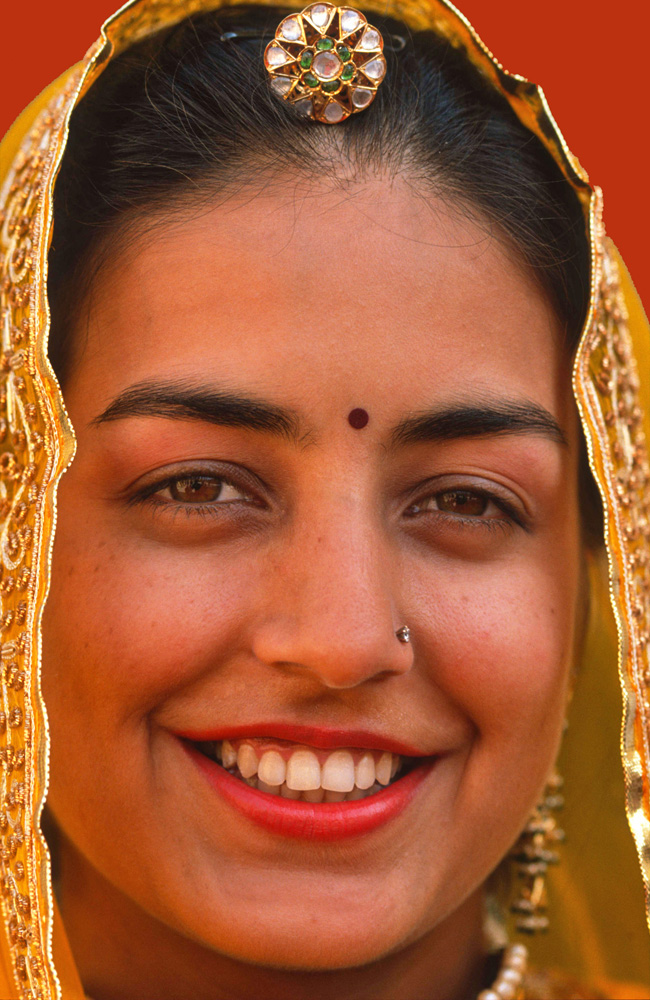
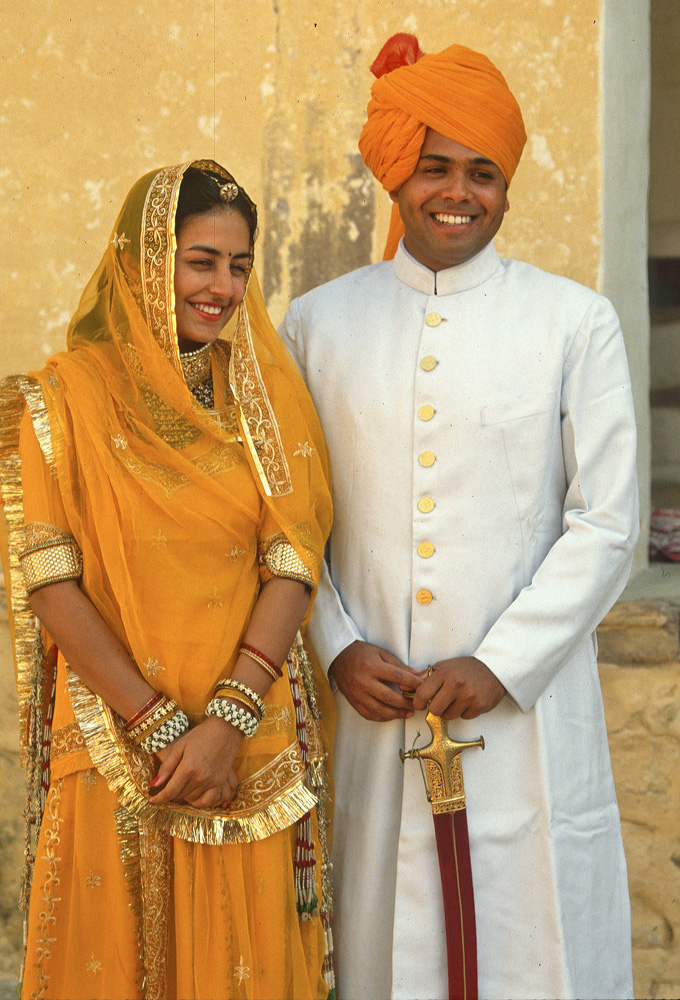
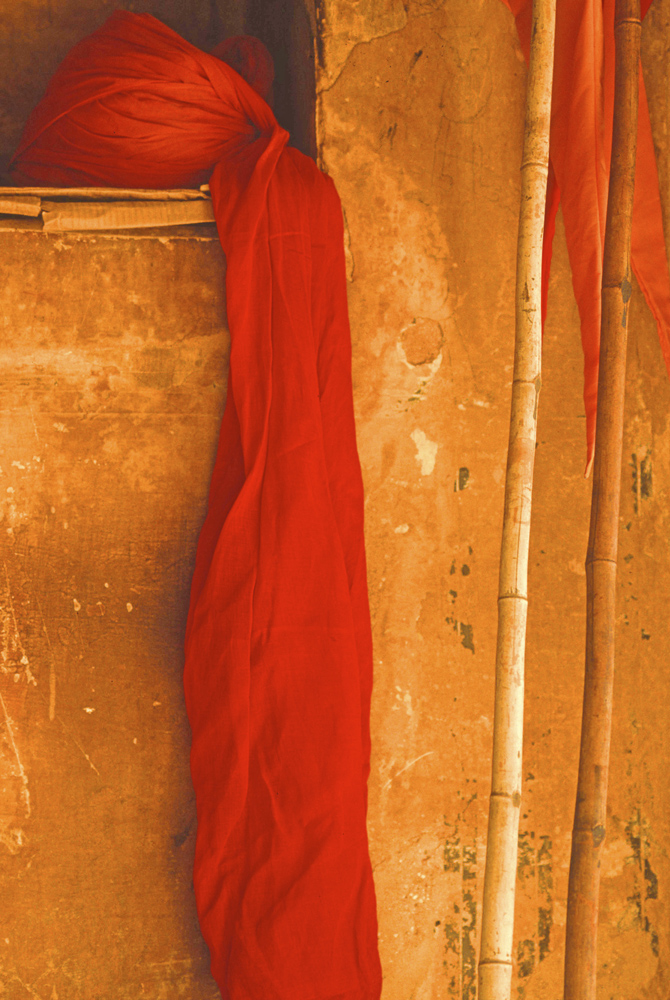
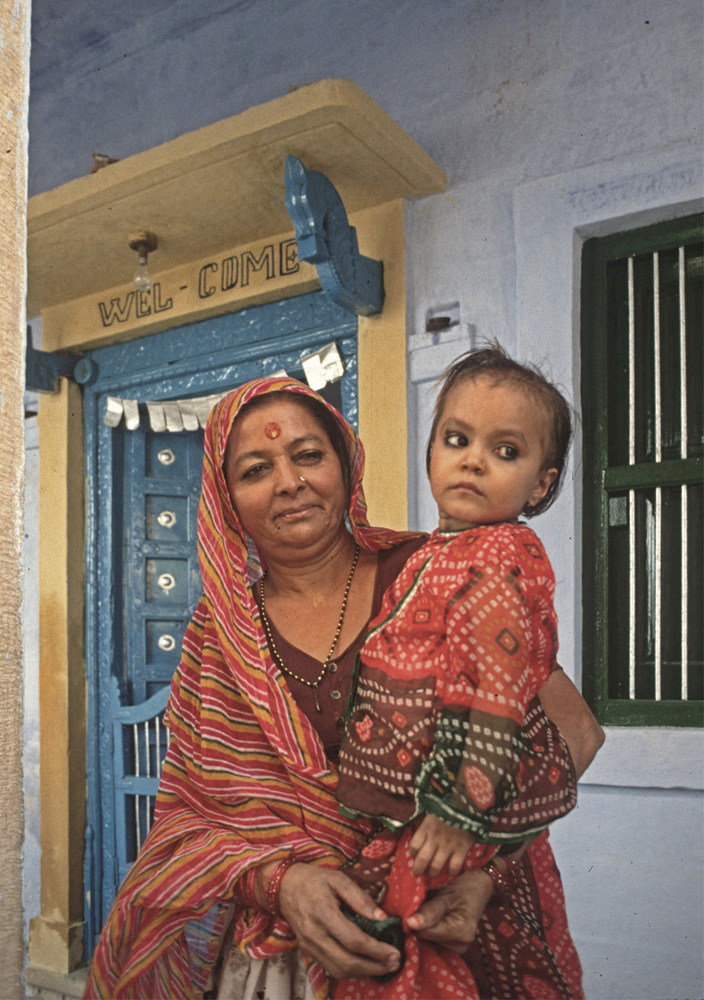
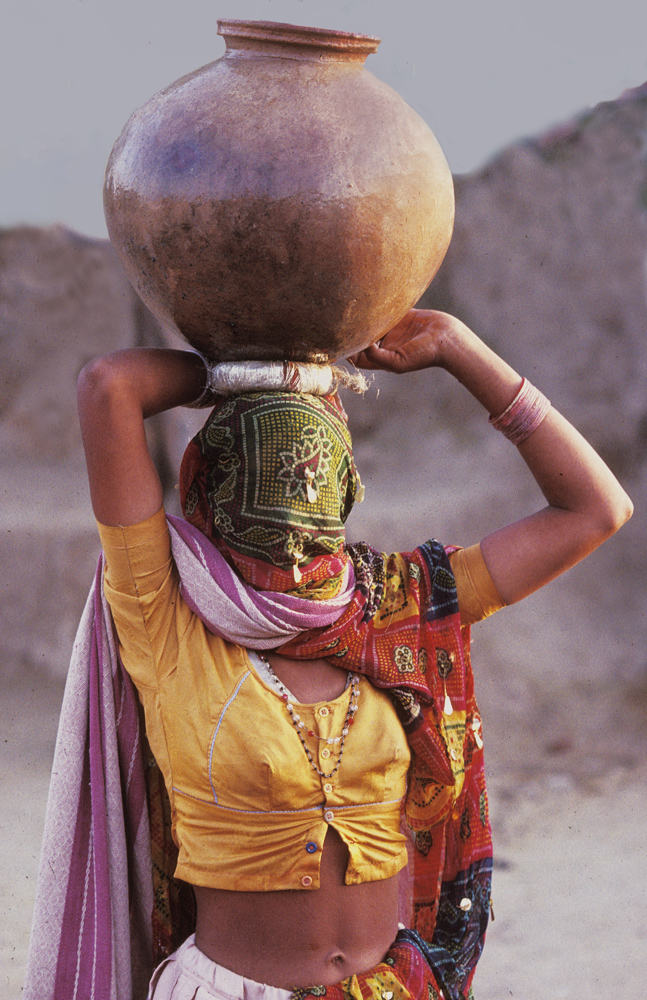
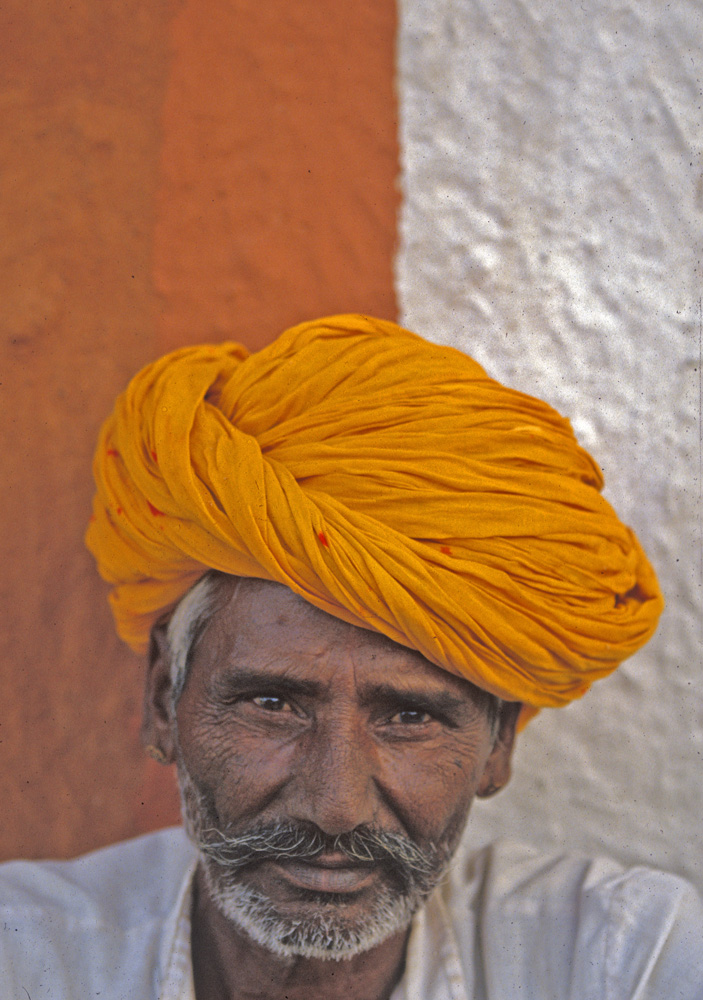
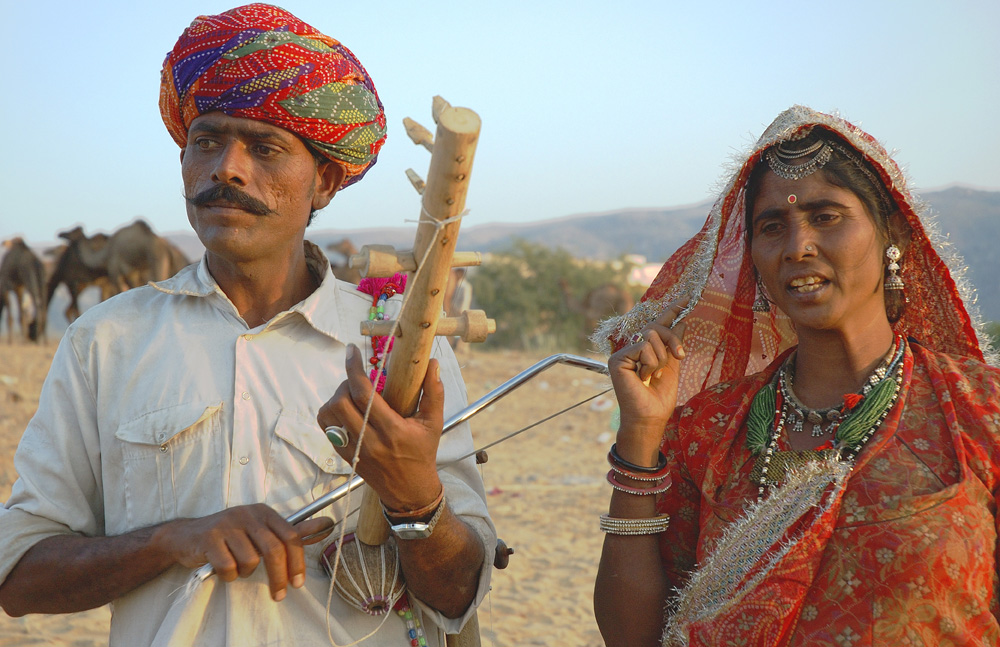
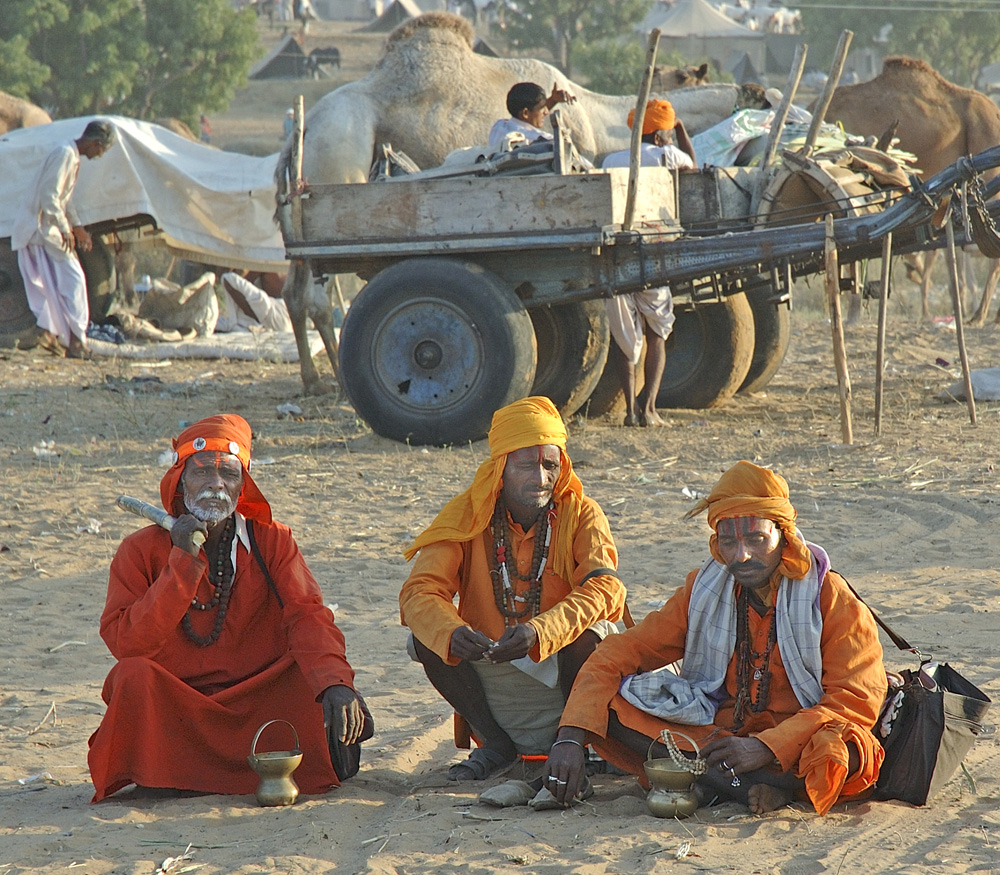
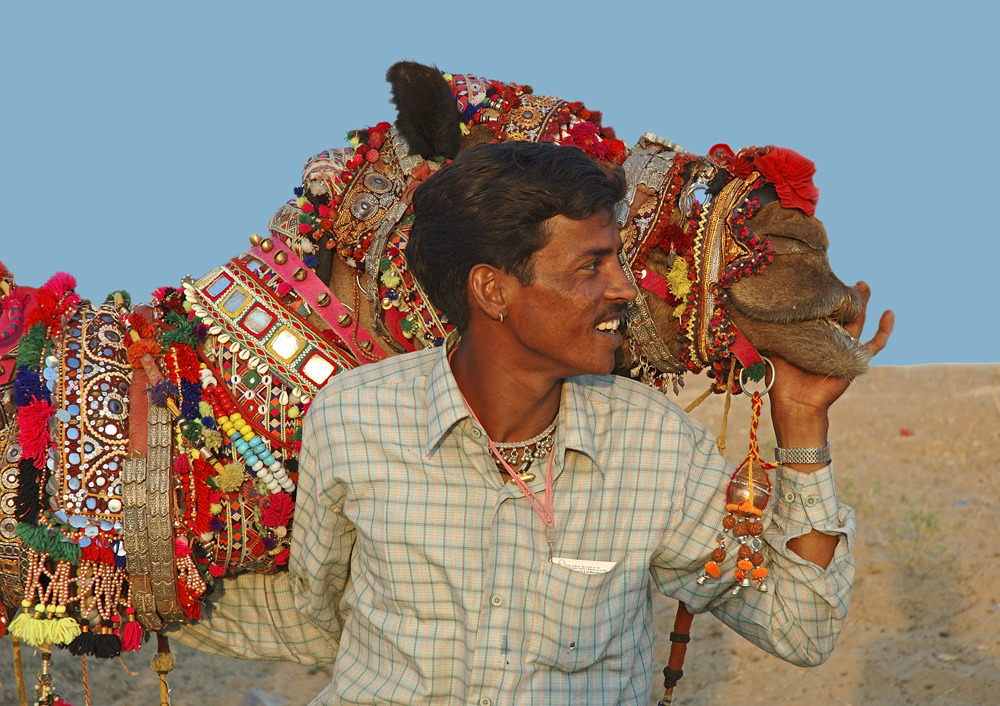
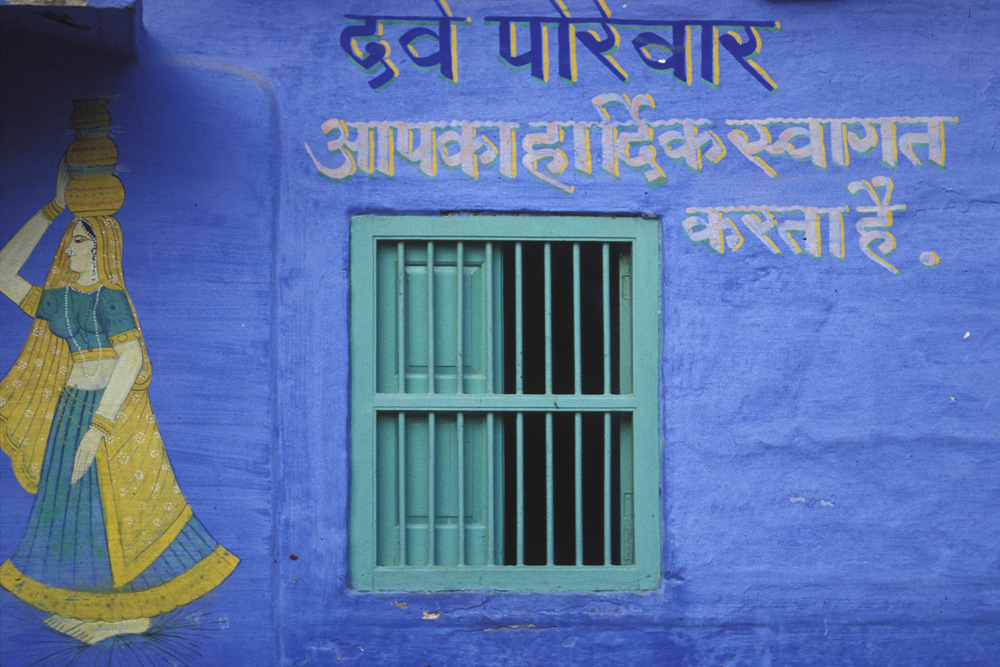
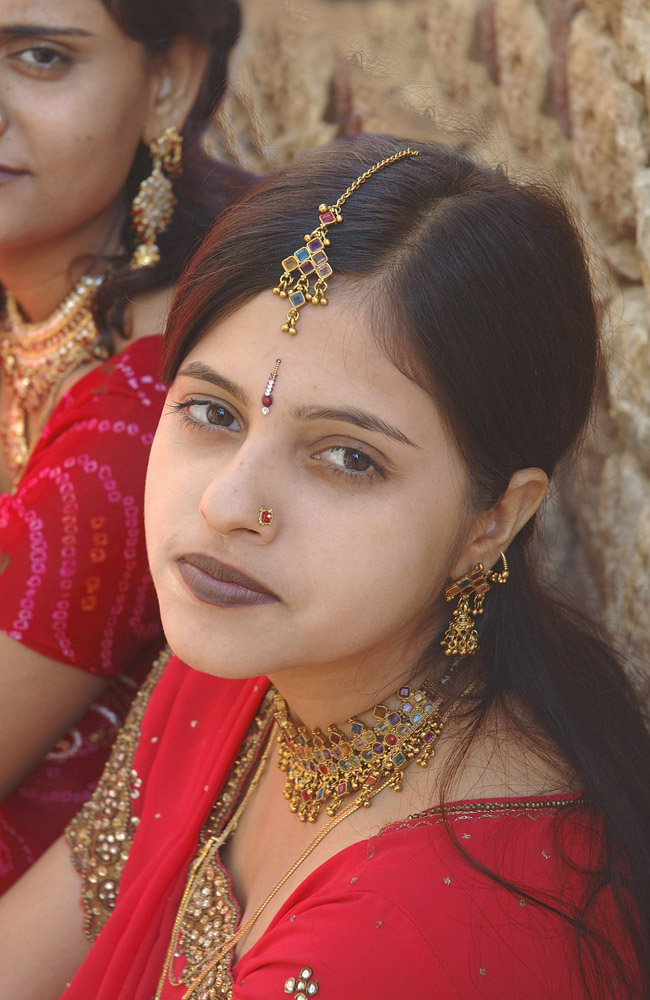
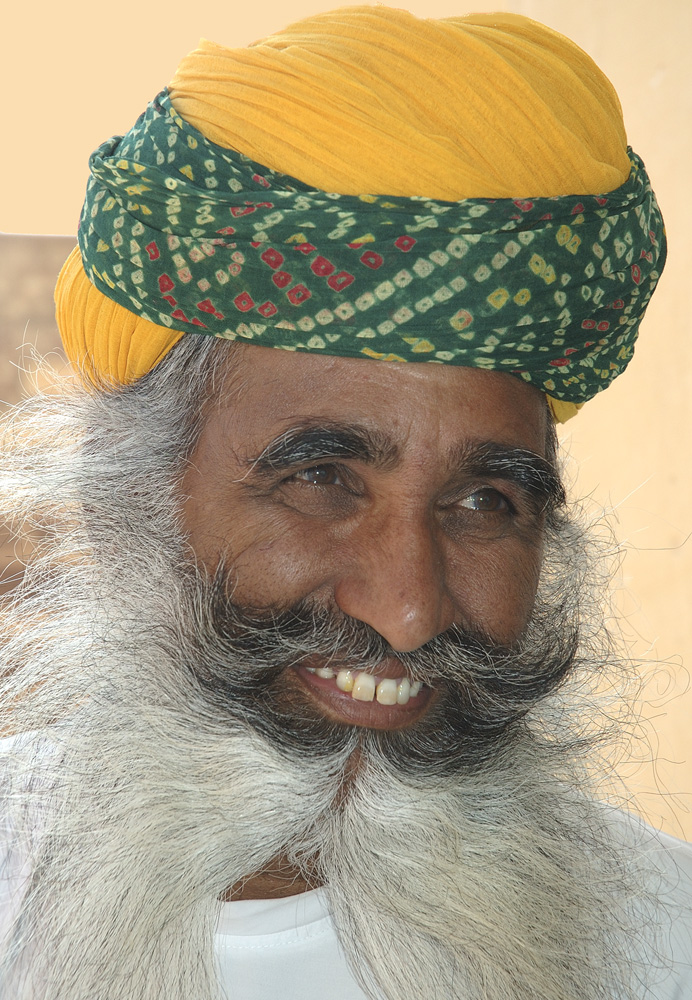
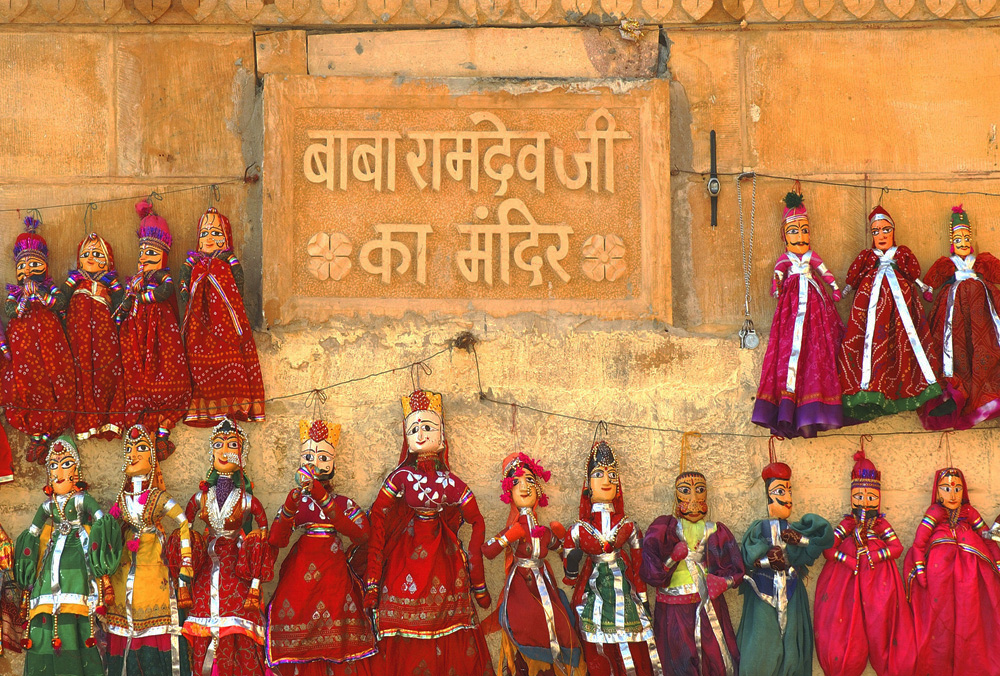
Much of Rajasthan is a dun colored and level expanse, relieved by dramatic elevations such as the ancient Aravalli Range and the hilltop fortress city of Chittaurgarh, where so many historic battles were fought. As a striking congrast to the landscape, the people of Rajasthan costume themselves in brilliant colors.
To this powerful visual stimulus they add a warm receptiveness that encourages photography as an act of social connection.
Cameras often create social distance, even alienation, especially when the photographer appears as an anthropomorph with a piece of machinery stuck to its face. Willingness to engage, even sometimes without a common language, tends to diminish that distance.
The attitude of the people of Rajasthan helped to dissolve it altogether.
___________
“Raphael Shevelev’s photographs of Rajasthan are sensuous and culturally informed. Their visual acuity lances sentiment, cutting through cliché to point at windows into deeper perceptions. All in all, a pleasure.”
Michael W. Meister, Professor of South Asian Studies, Department of the History of Art, University of Pennsylvania
__________
Read Raphael Shevelev’s article “Rajasthan: Photography as Connection” on this website.