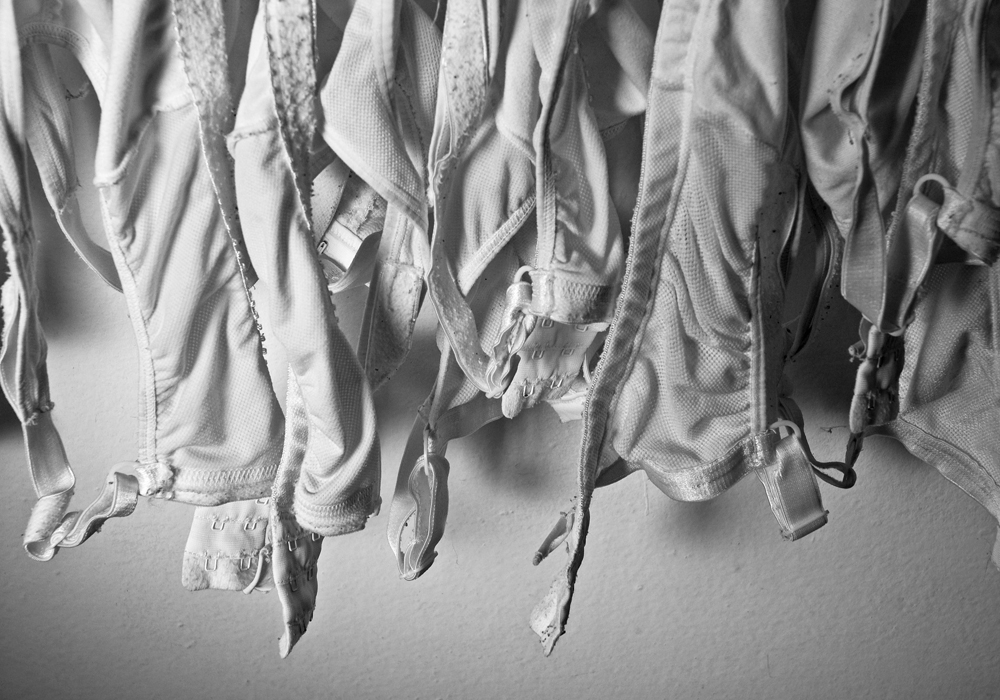
During protracted illness following coronary artery bypass surgery and a number of hospital-caught infections, I found myself confined both physically and emotionally, filled with fatigue, pain, and the traumatic memory of the surgical assault.
When I came home from the hospital, I found renewed and continuing hope in two great phenomena. One was my wife, Karine, who lavished such care and love on my worn soul that it began to revive. The other was light.
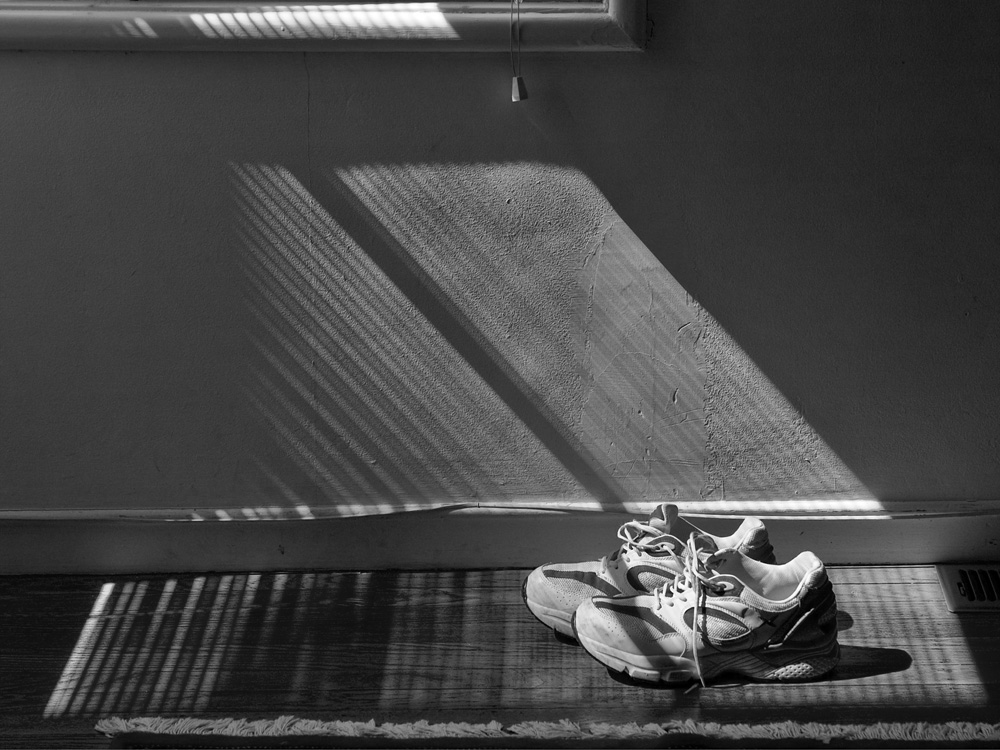
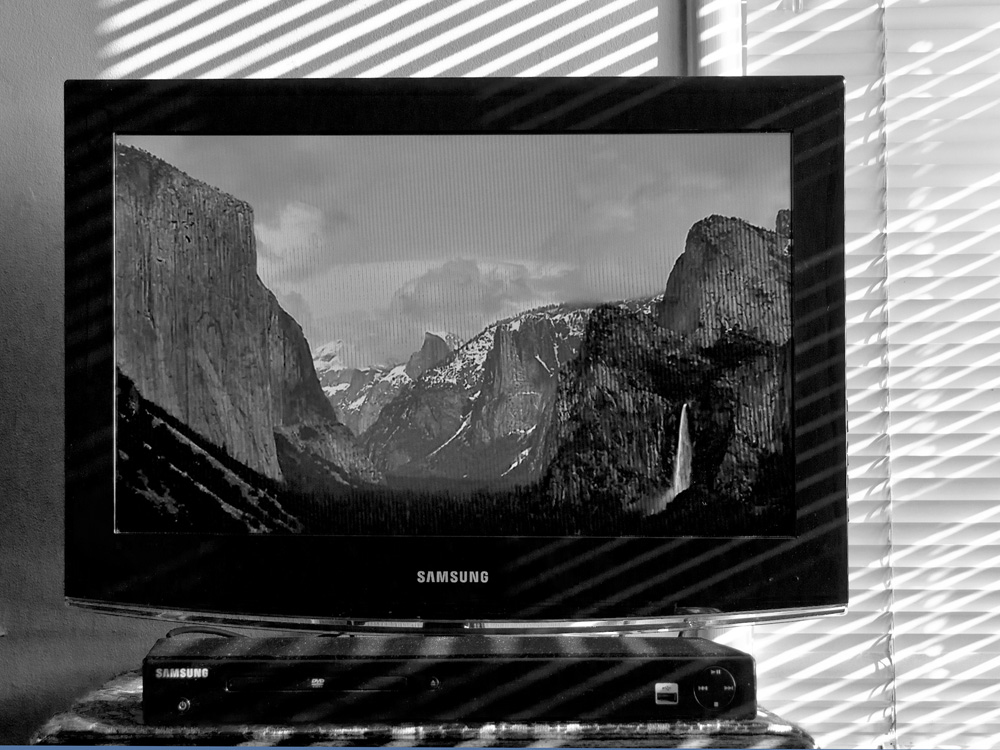
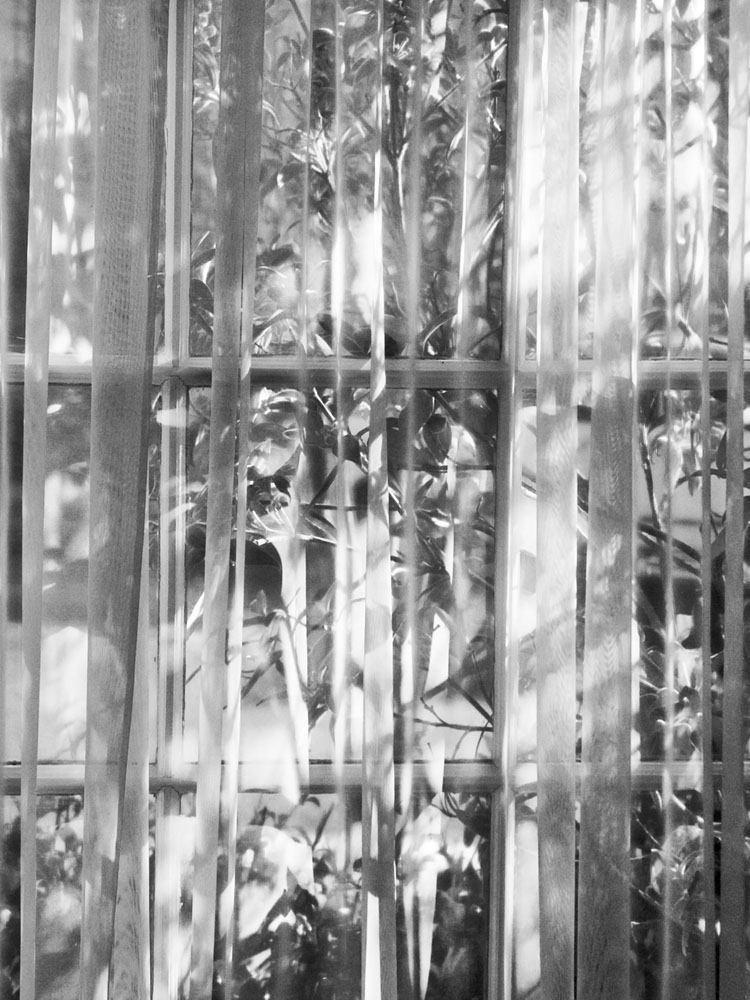
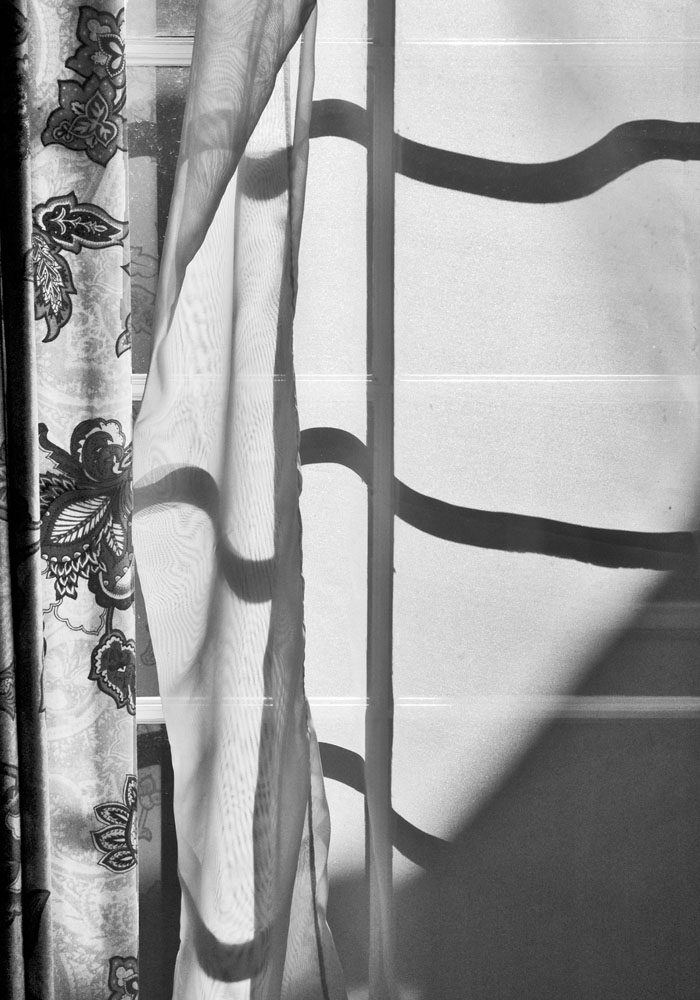
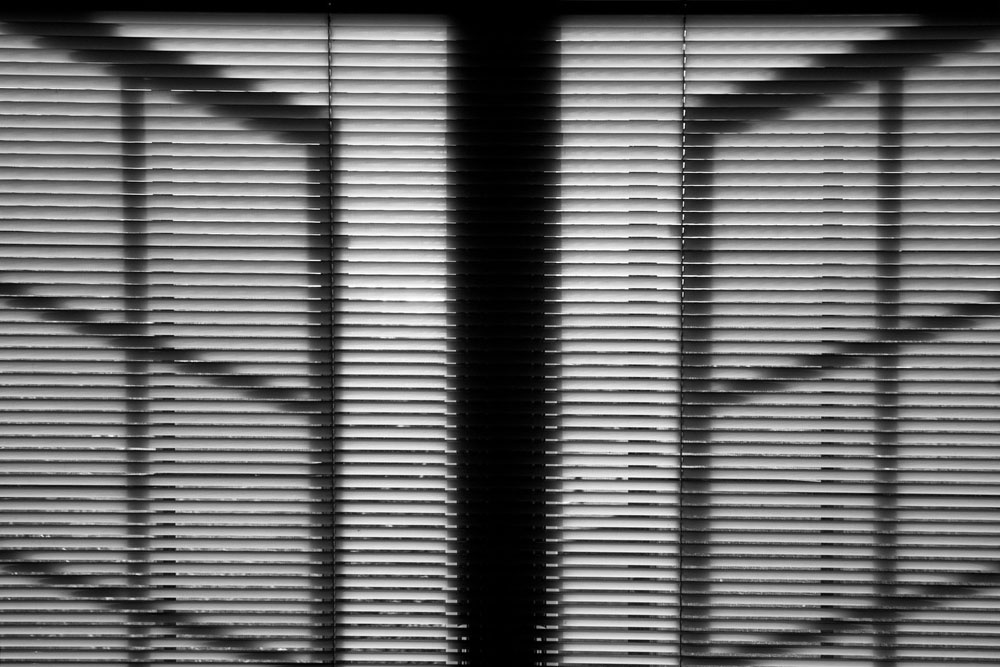
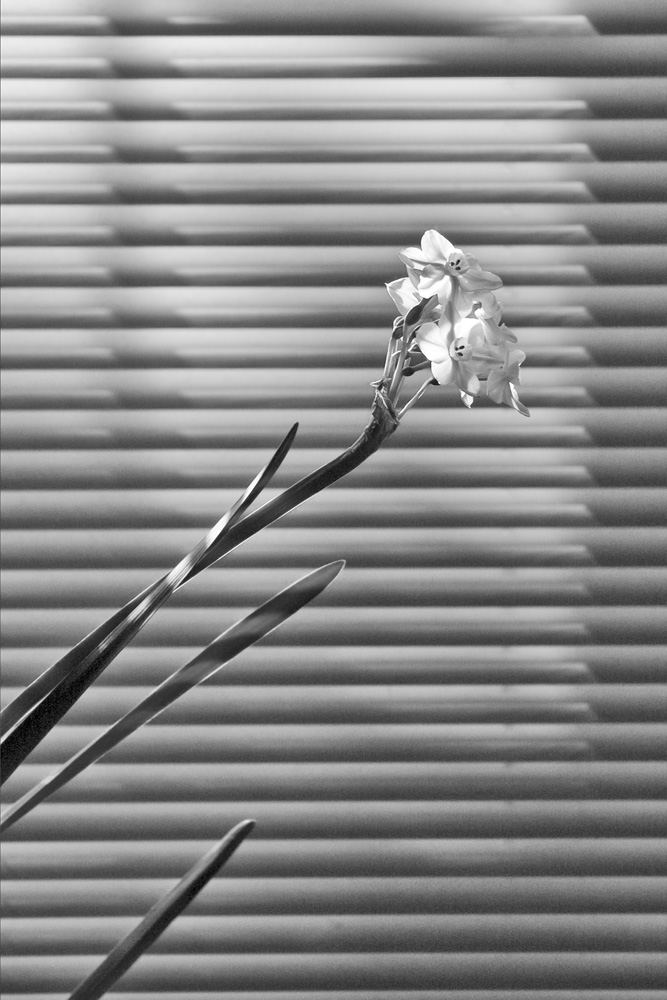
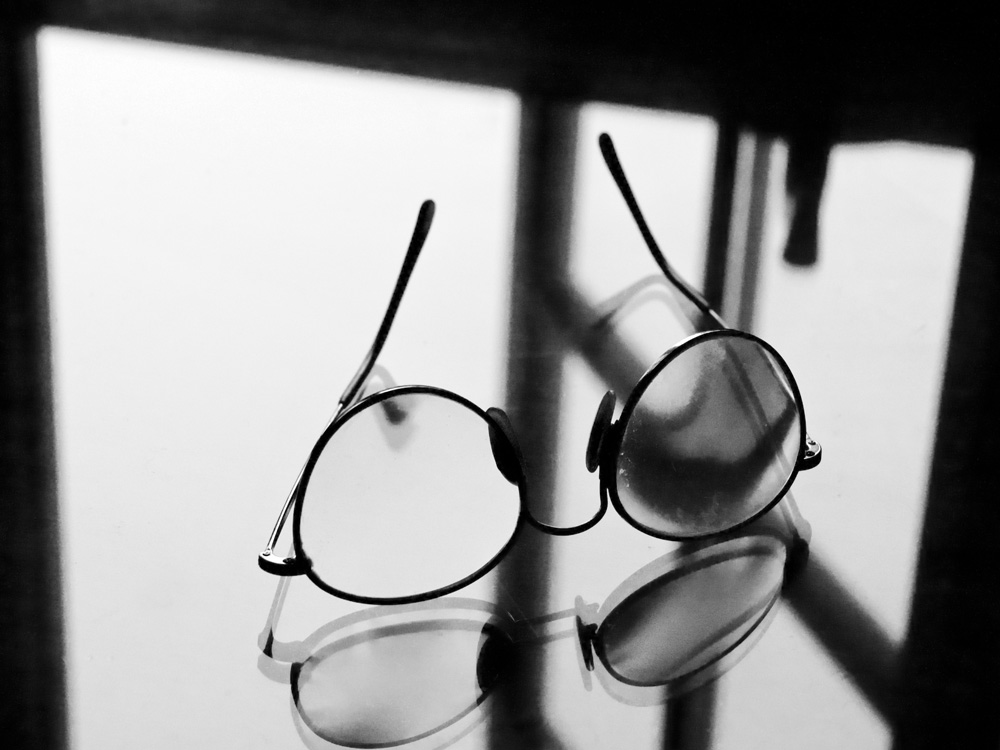
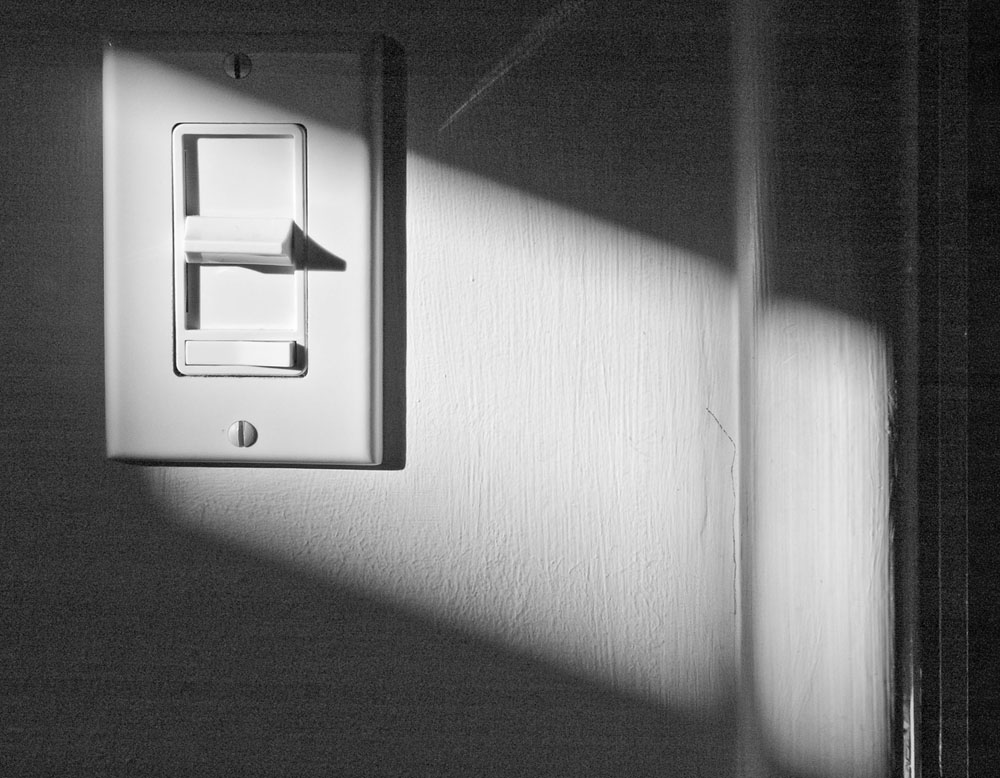
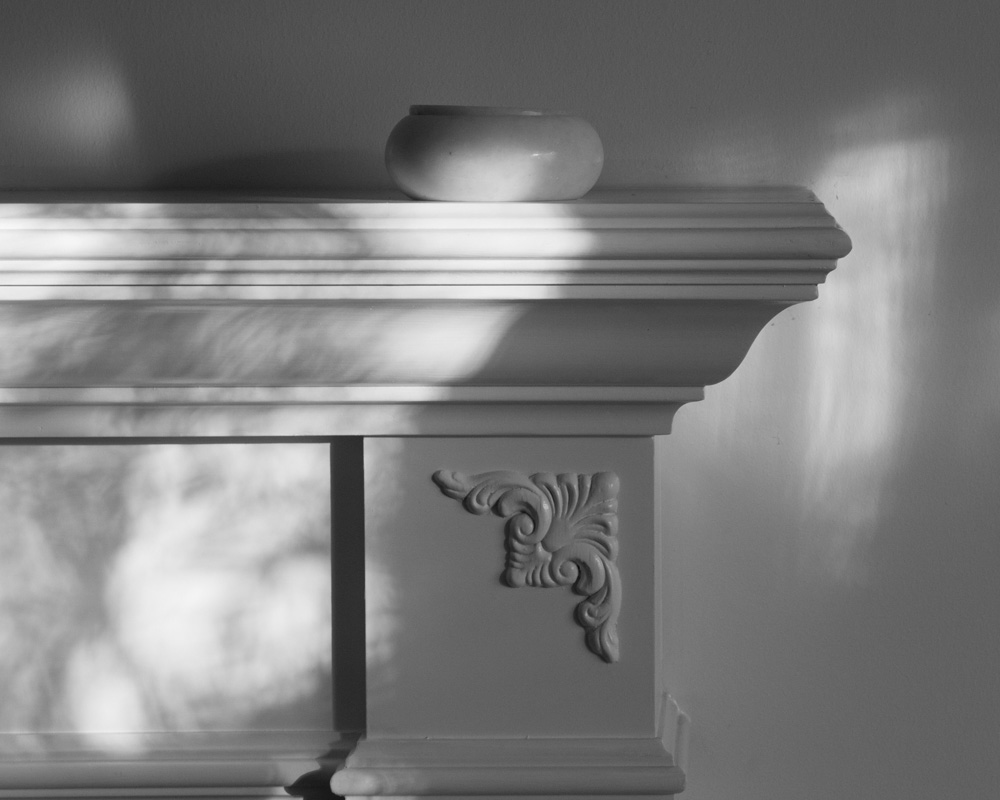
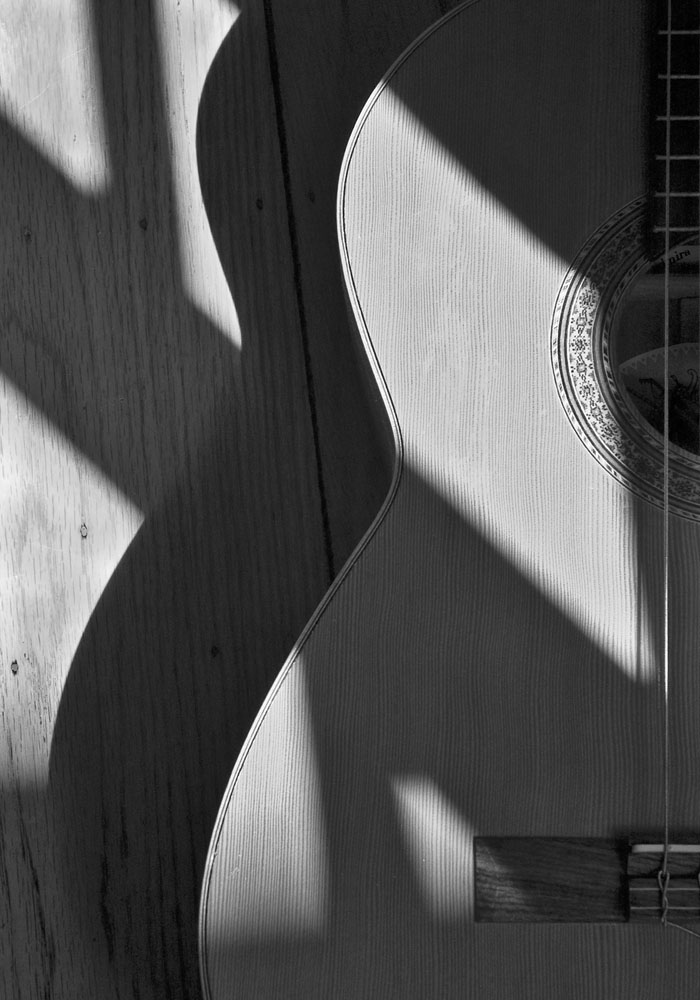
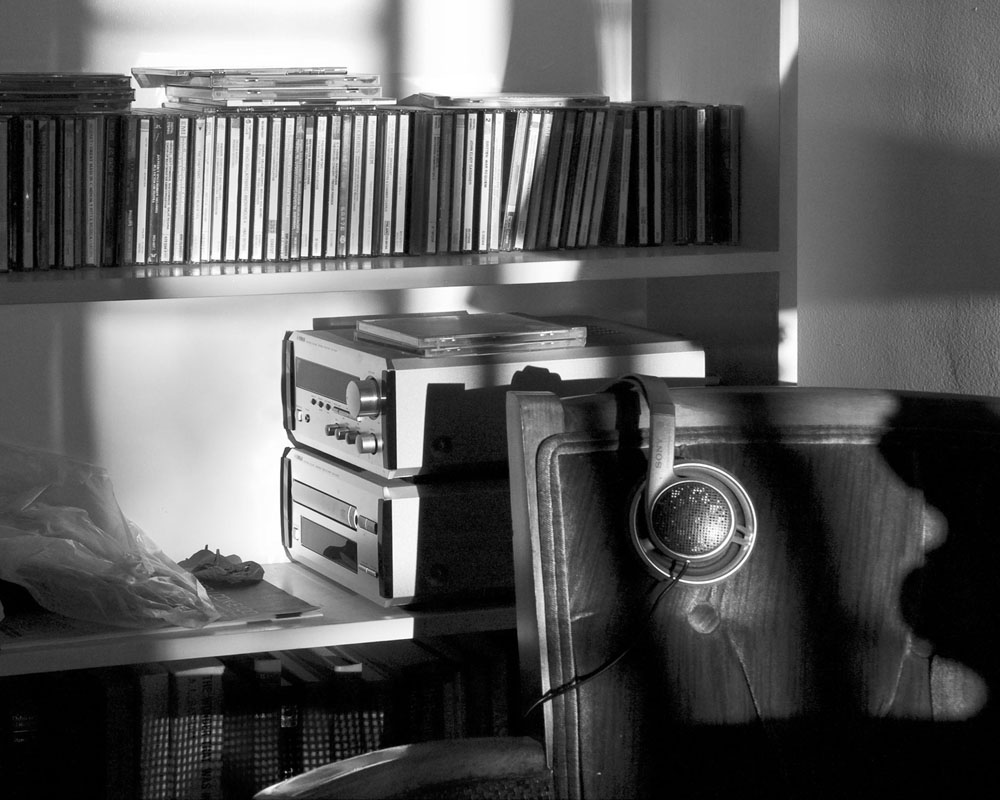
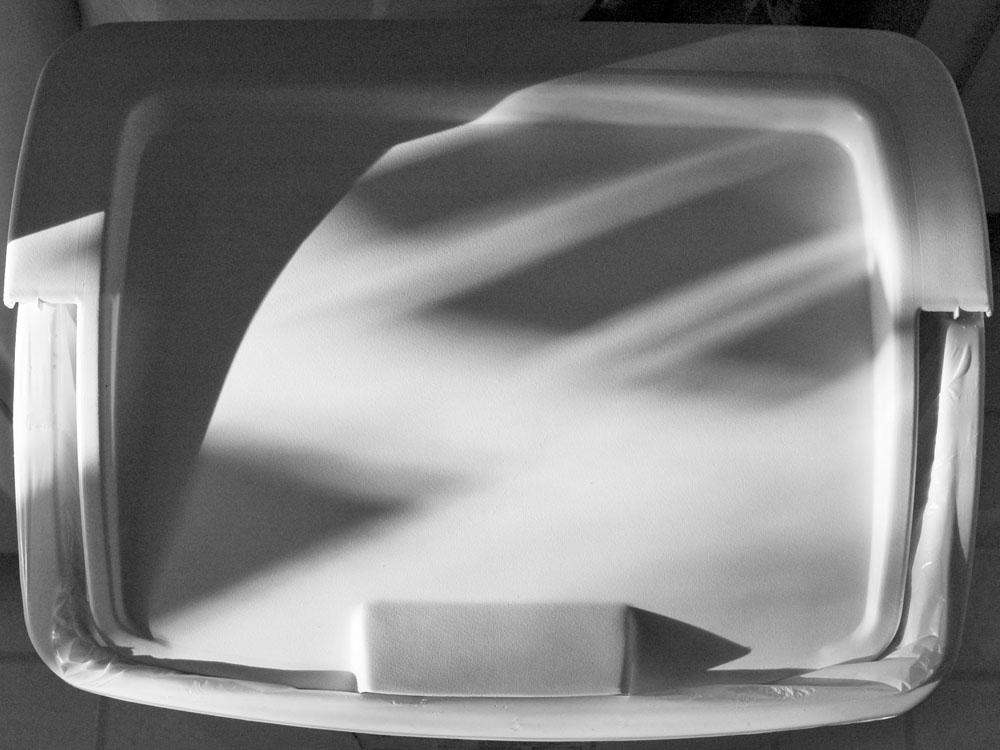
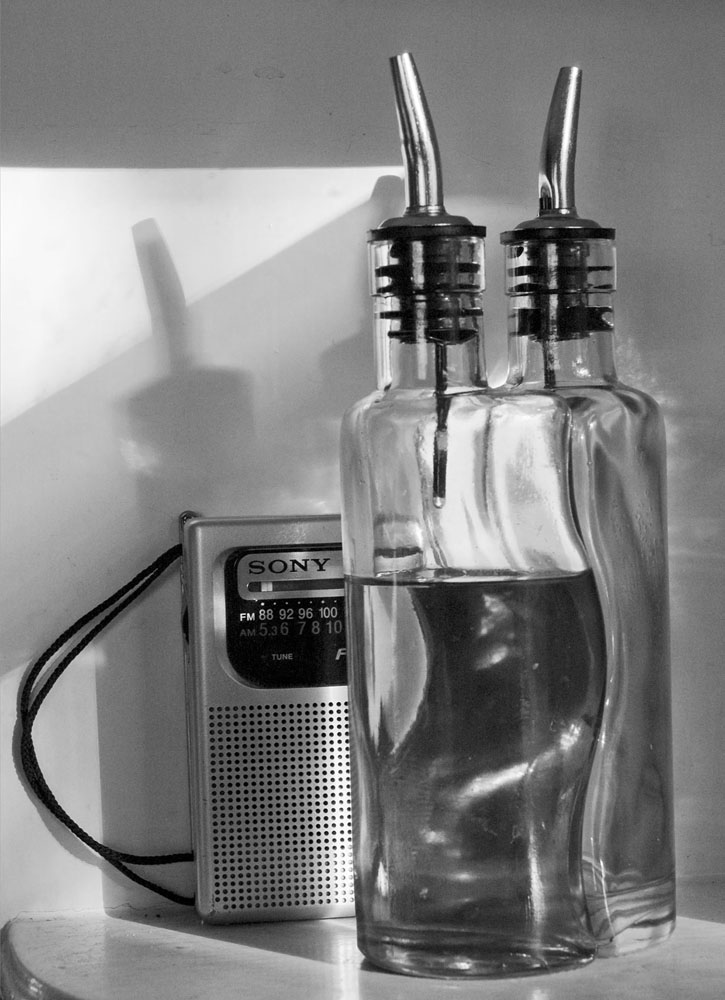
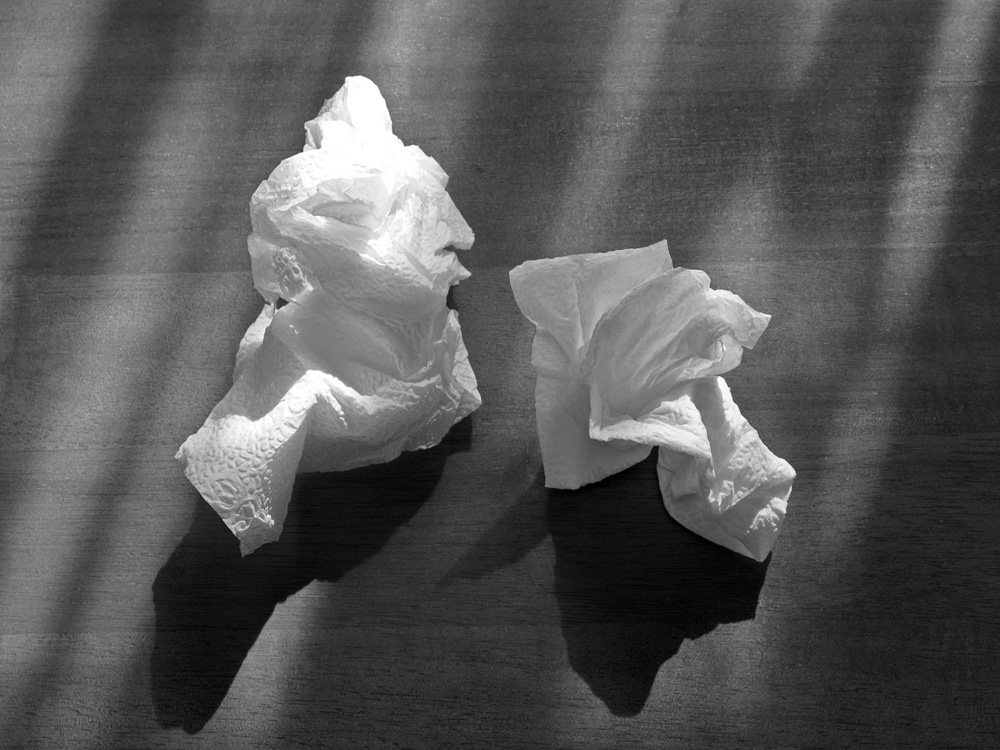
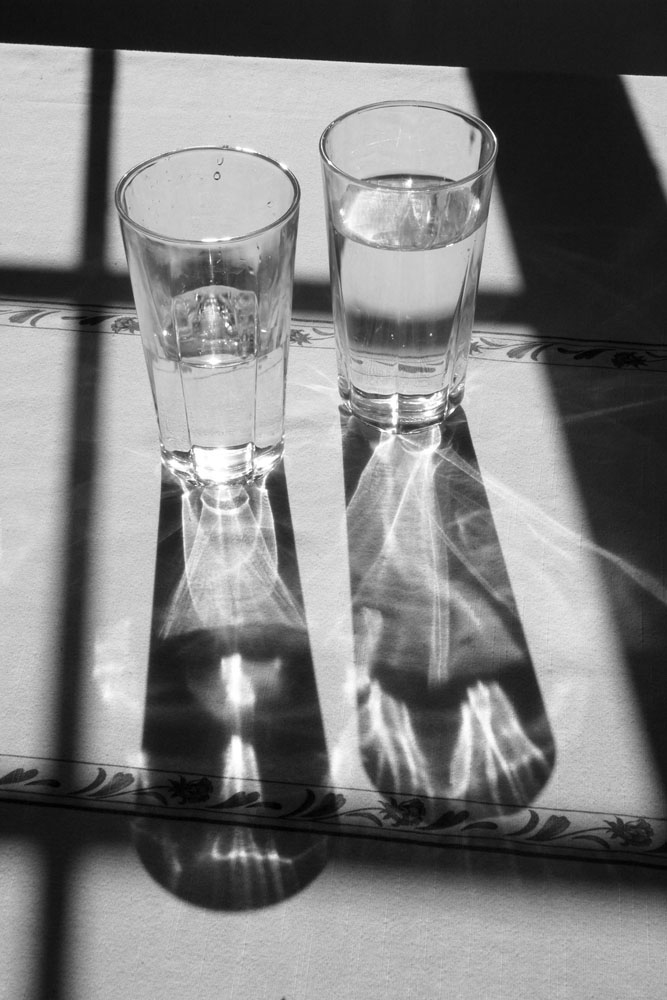
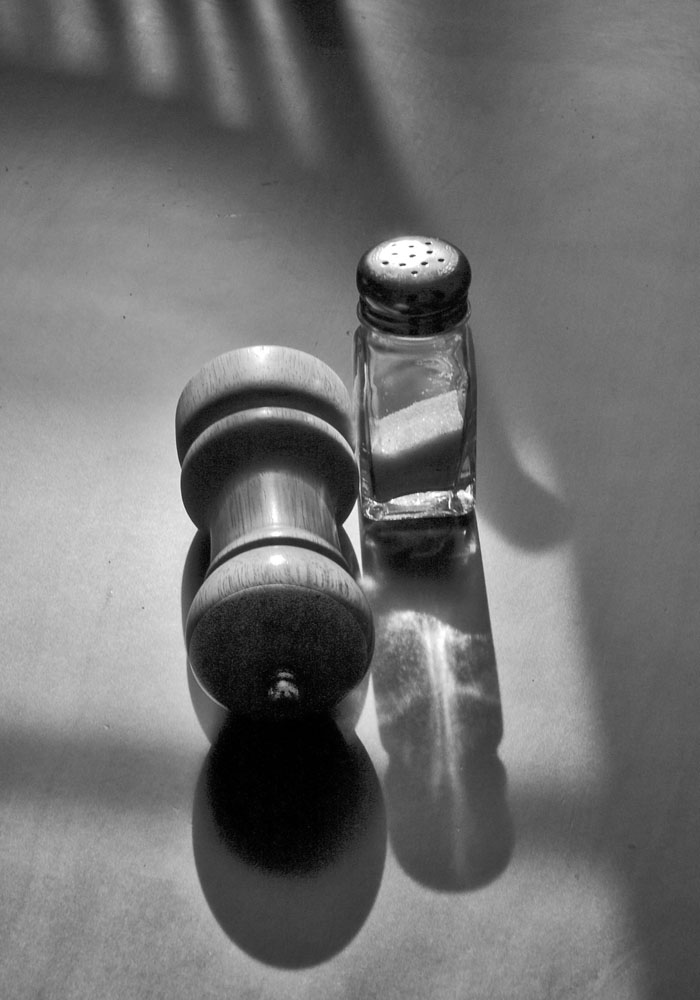
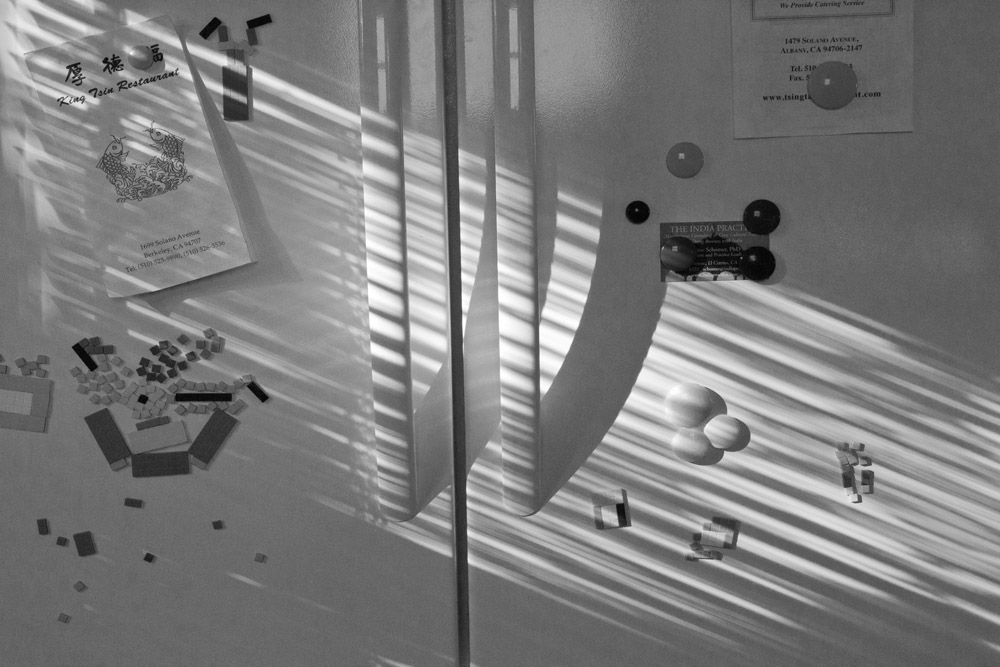
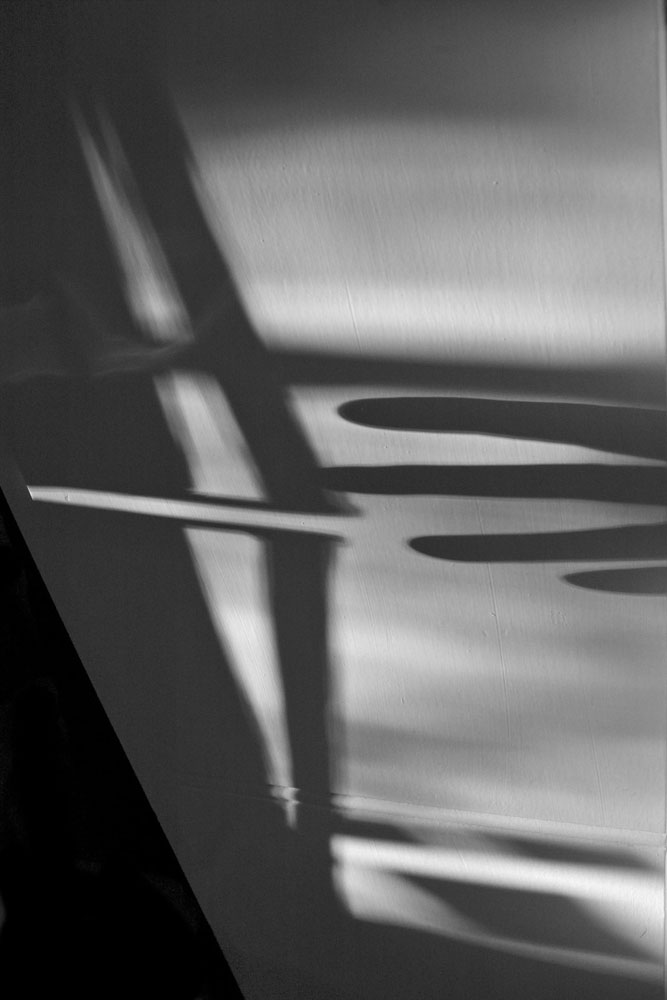
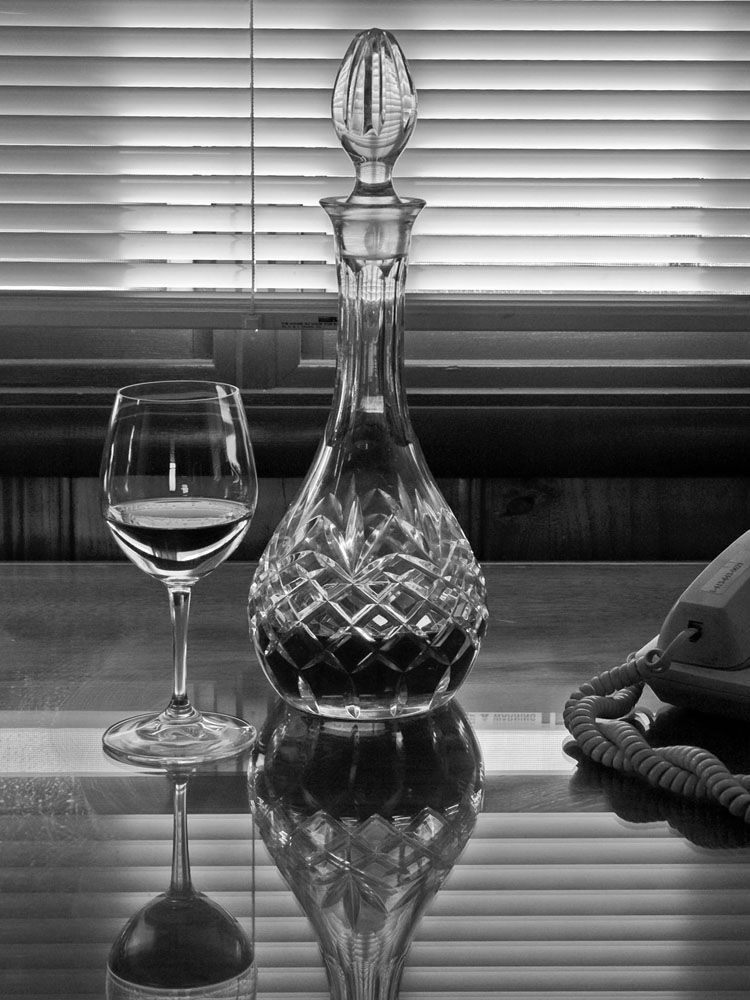
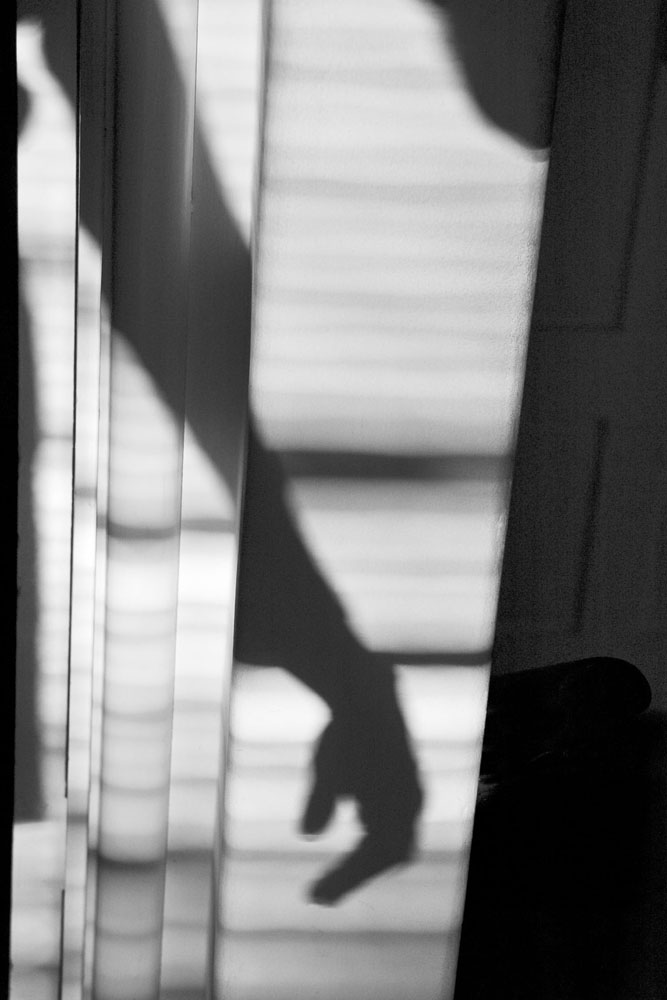
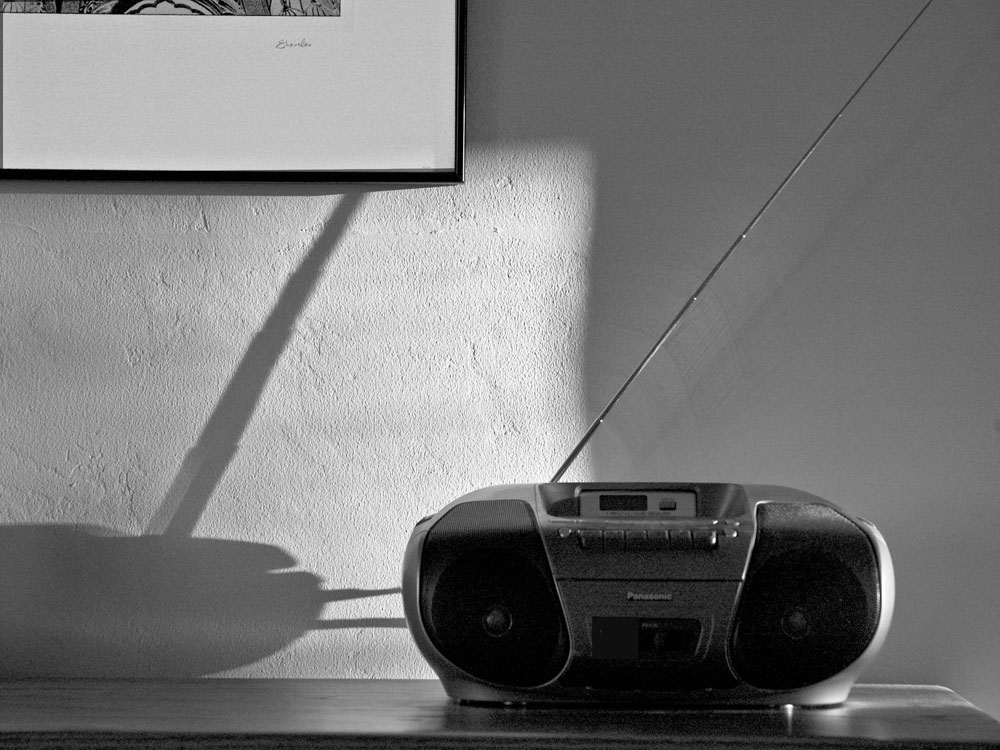
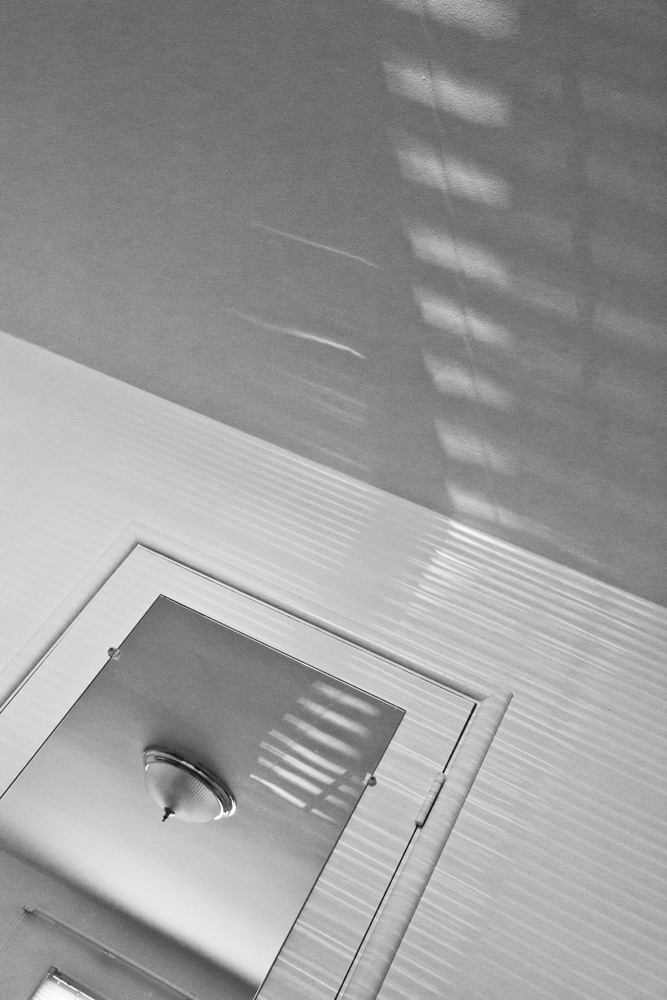
Out of the shadows of my confinement, slowly, came the light. Day by day I began to pay more attention, as the photographer inside reasserted himself. I learned to trace the journey of light, and its obverse, shadow, as together they chased each other across my small landscape.
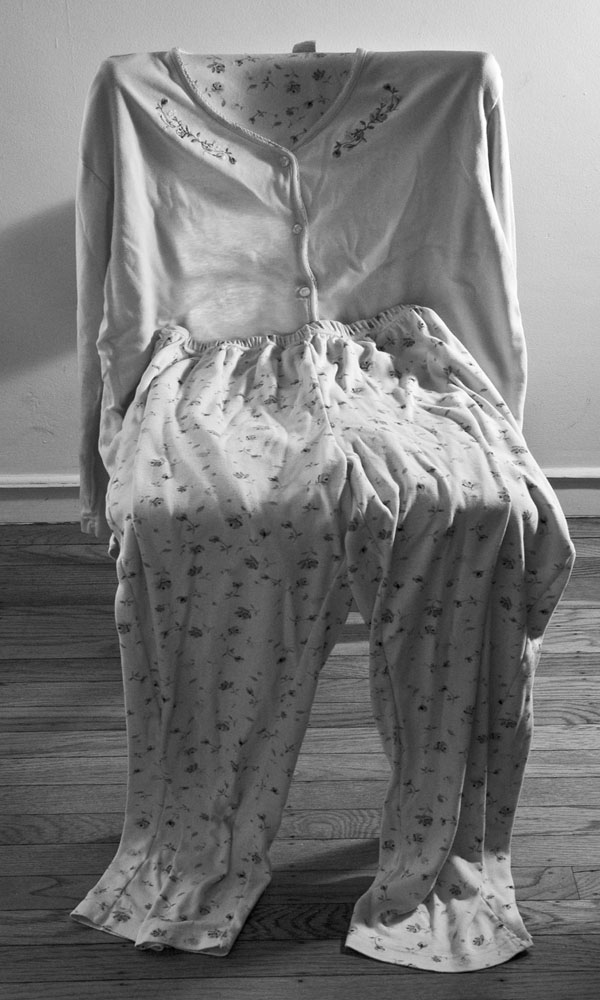
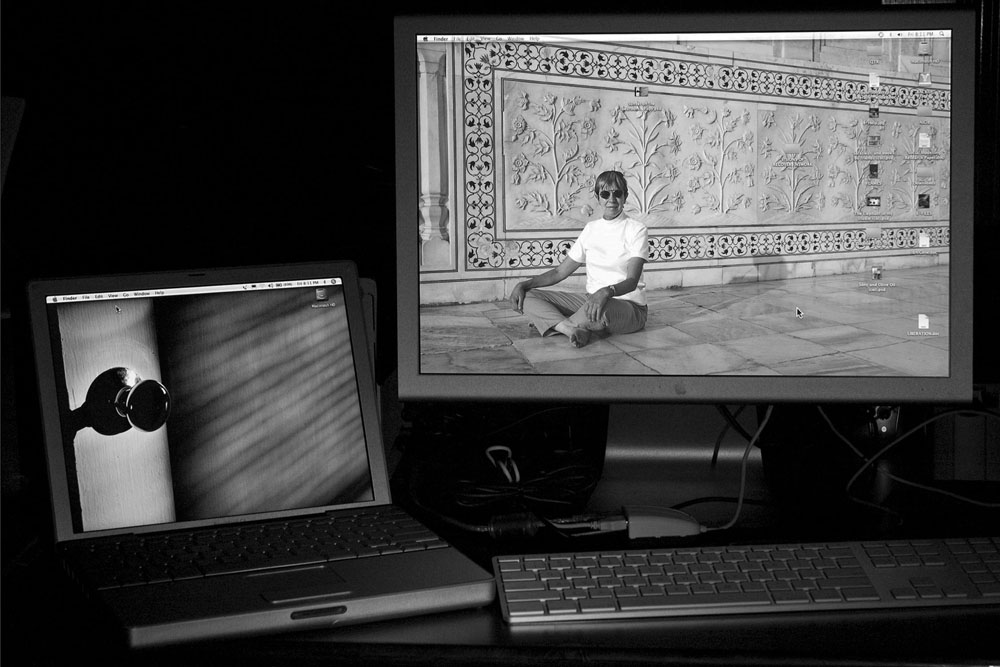
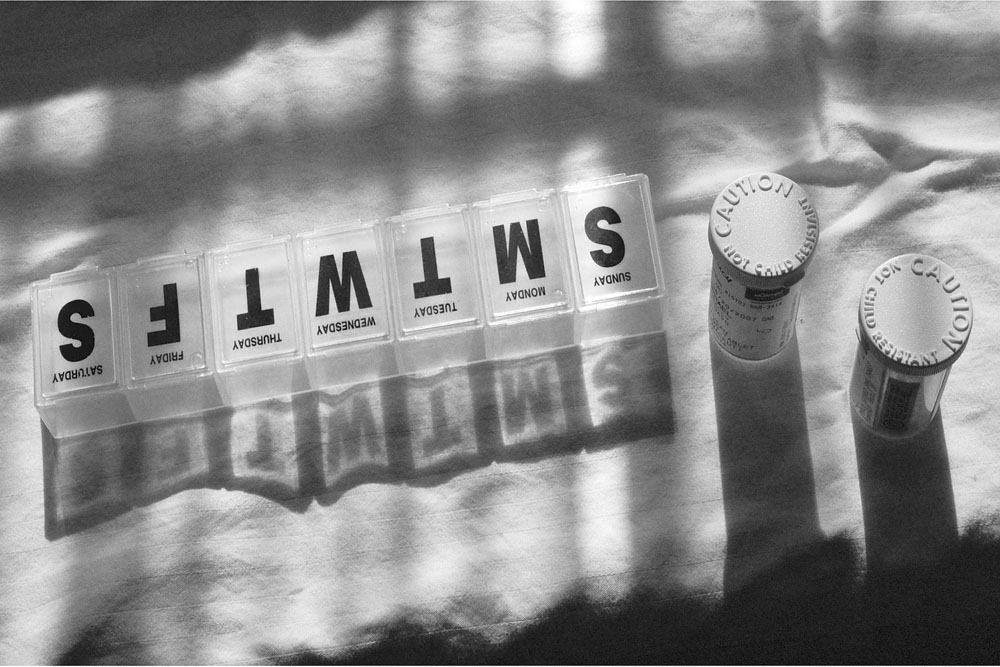
I decided to use whatever creativity I could to breach the walls of my illness and despair, and to photograph this passage of light and imagination through my home as I moved from confinement and despondency to hope and recovery.
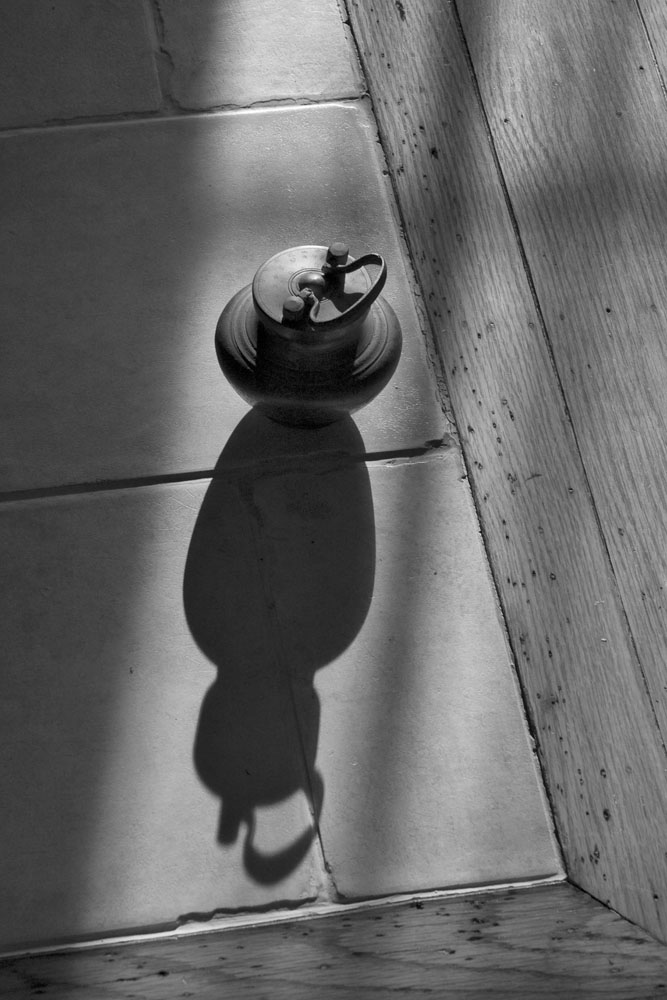
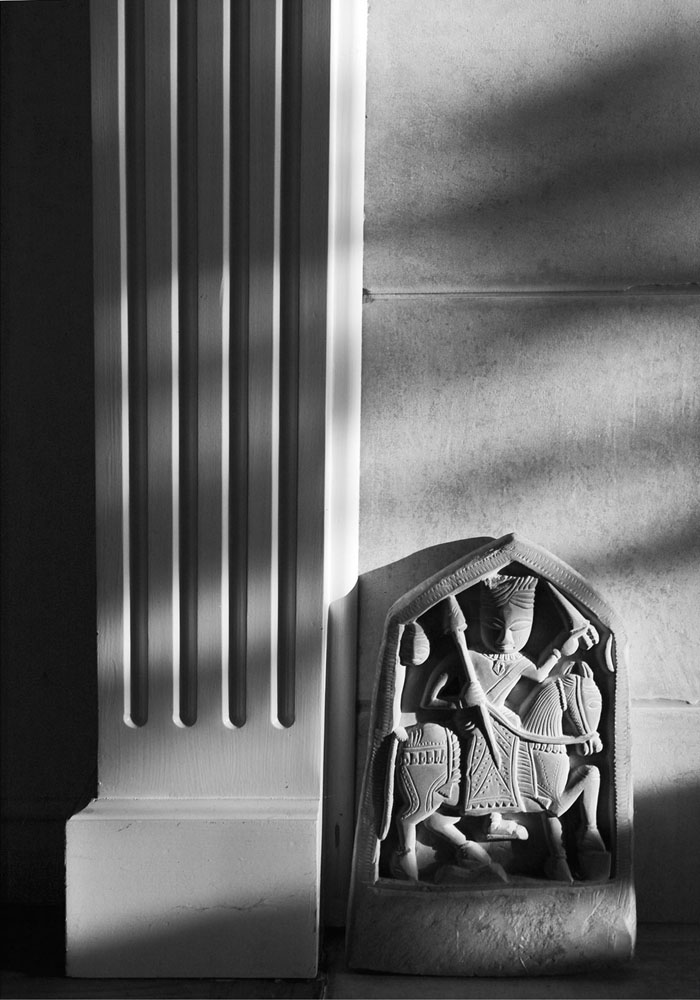
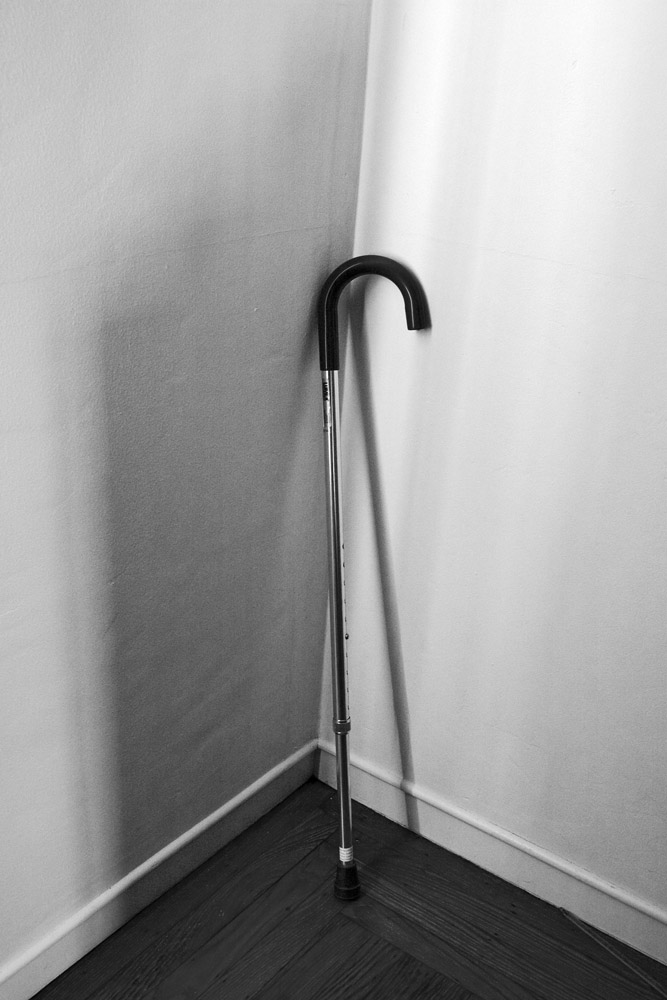
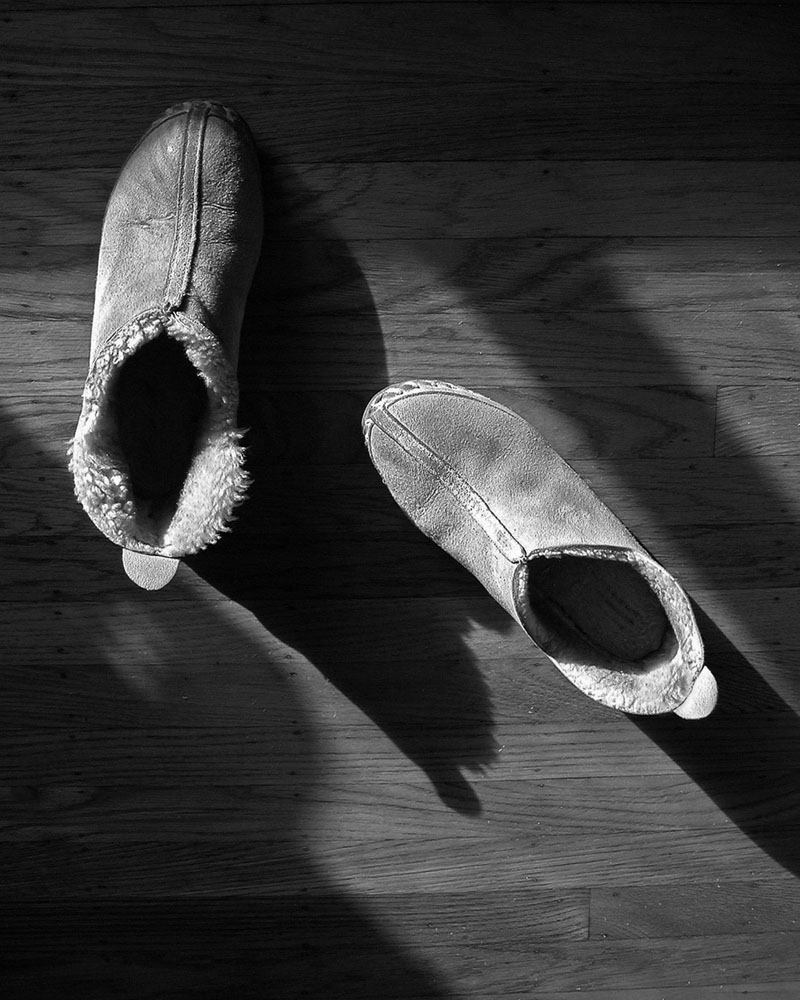
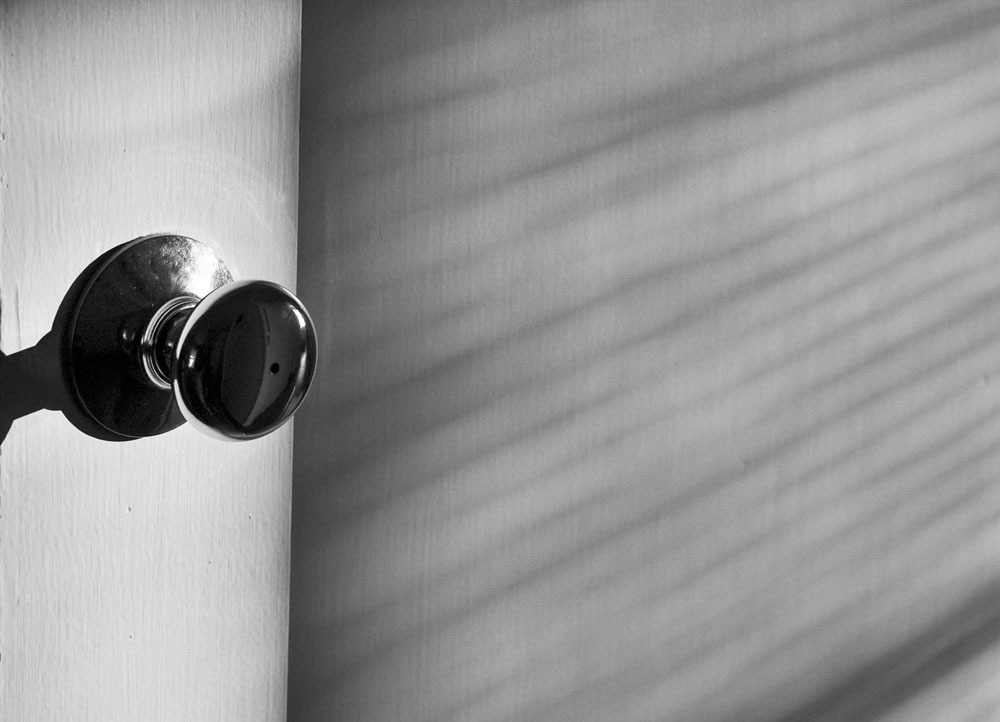
With time and growing perception, the light modulated from atmospherically general to specifically objective. The beams took custody of individual objects and sculpted them in constantly novel ways.
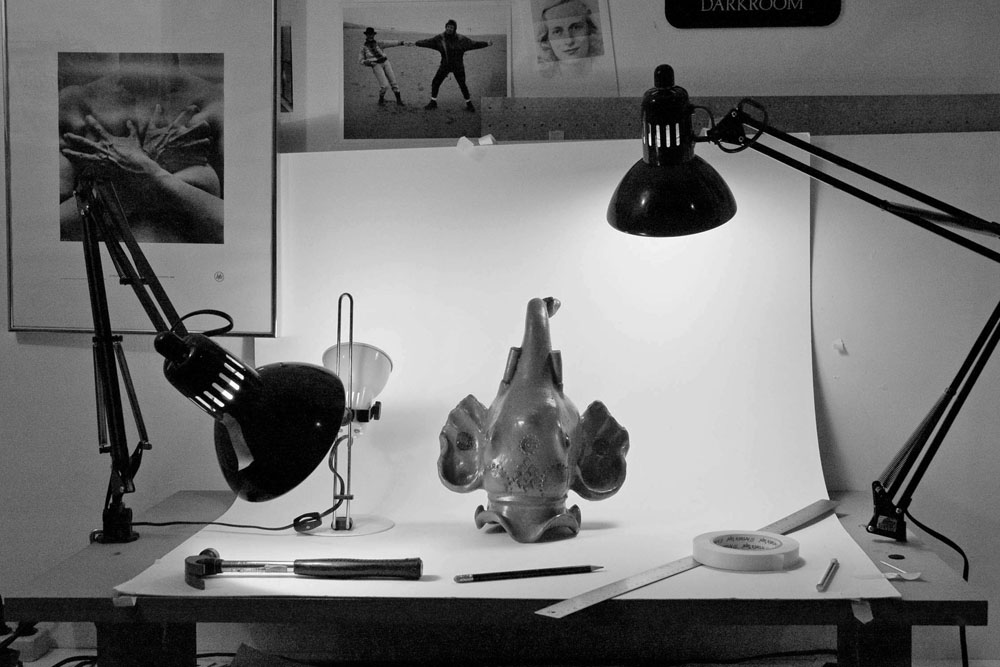
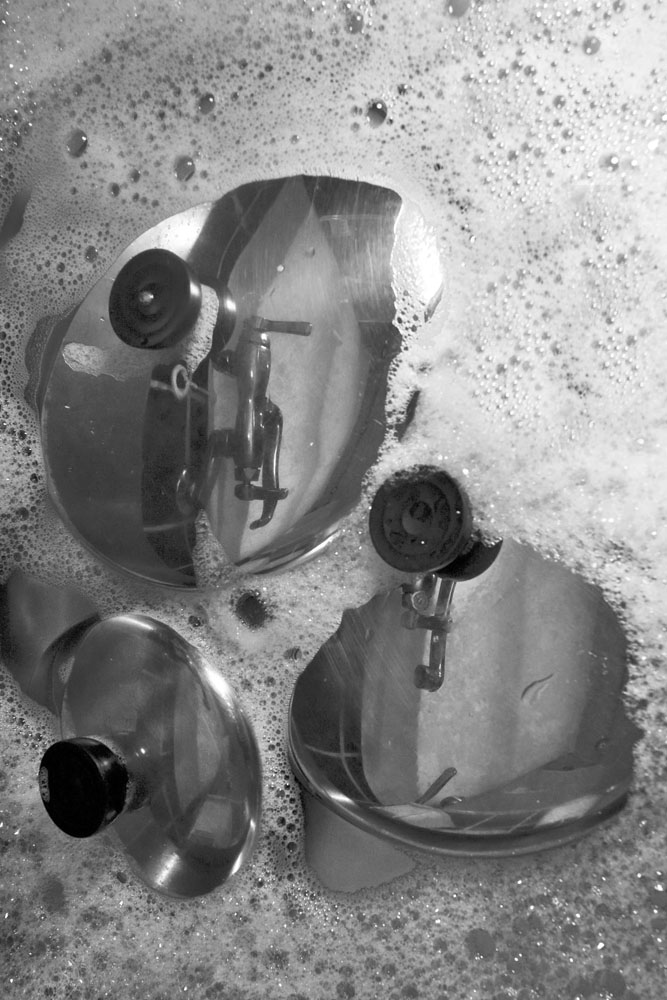
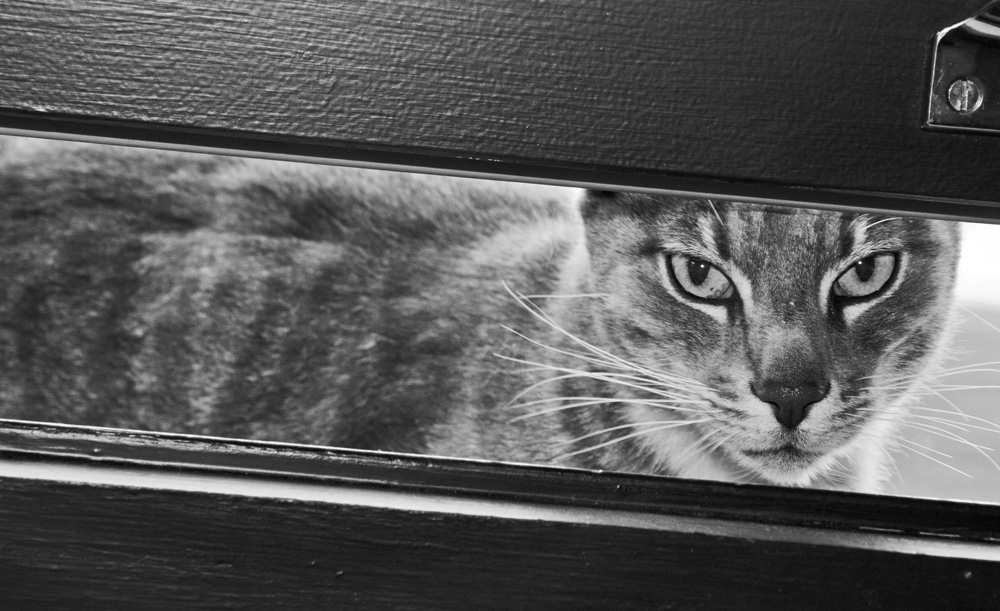
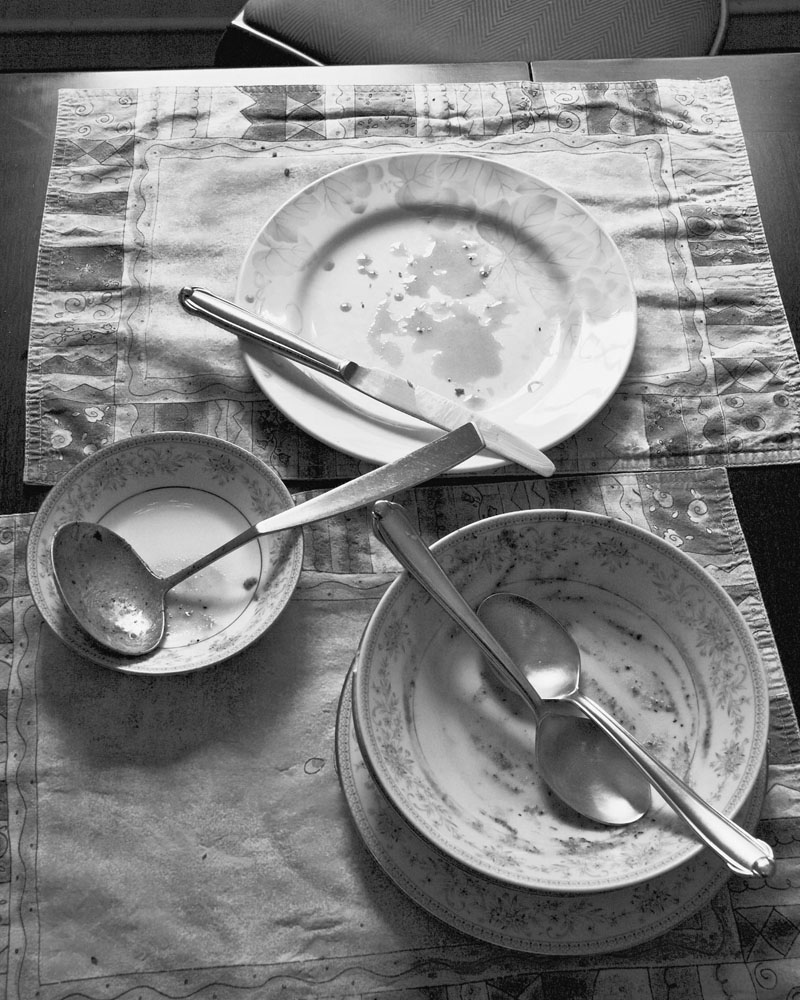
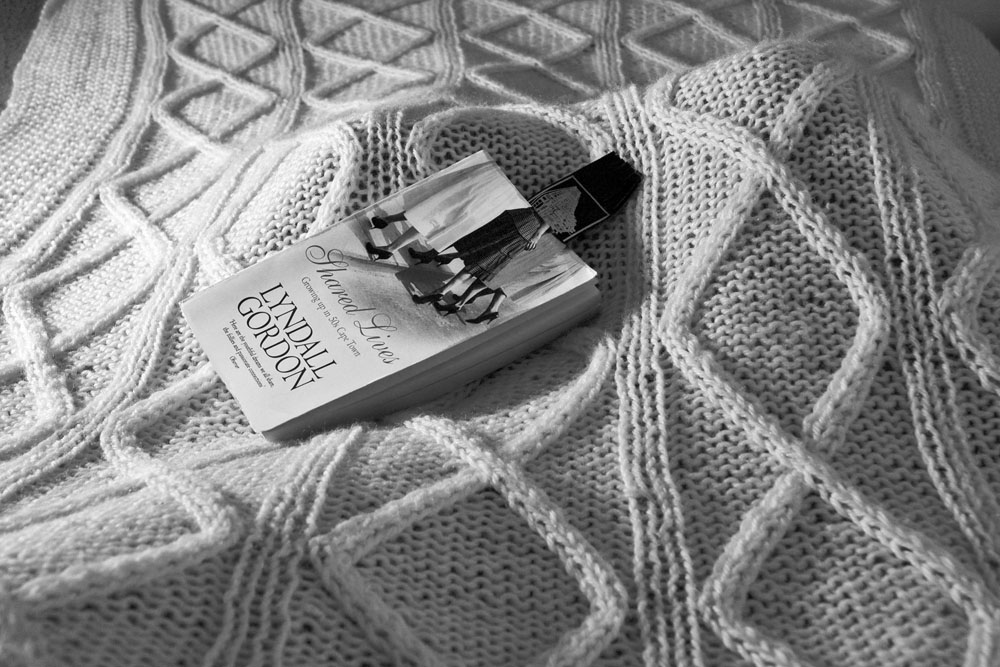
Over the months, my visual world expanded greatly, even while it was geographically constrained. So many artifacts took on new meaning, as light and darkness washed over them. Even the most quotidian of them gave pleasure and meaning.
Then my mind began to add elements to sight: sound, smell, taste, touch, the presence of others, literature, news, the windows that relieved the shadows and brought a more seductive sense of the world beyond my box.
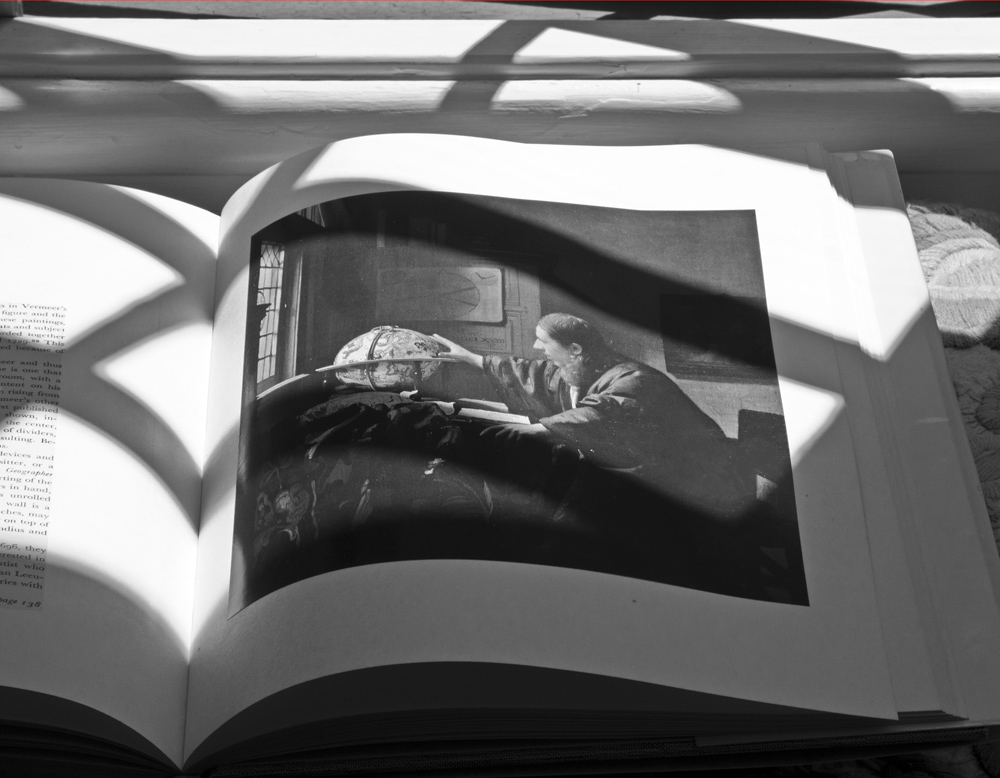
The inclusion in this portfolio of a book open to a reproduction of Jan Vermeer’s famous painting “The Astronomer” is no accident. Vermeer has always been my pre-eminent teacher of light. As I was, Vermeer’s astronomer was confined inside a small space, but nevertheless trying to hold the idea of a universe in his hands and mind.
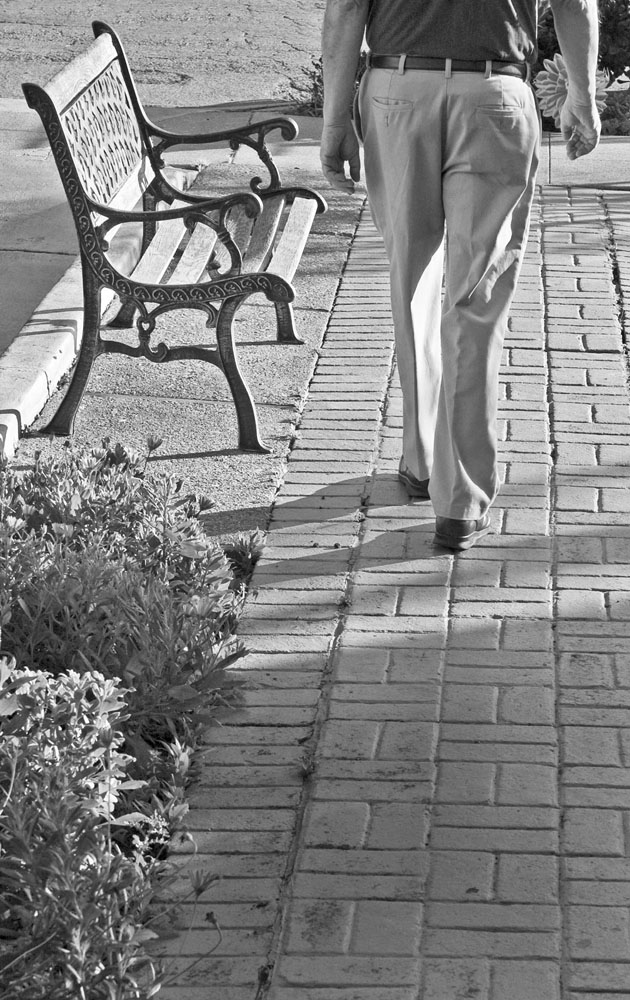
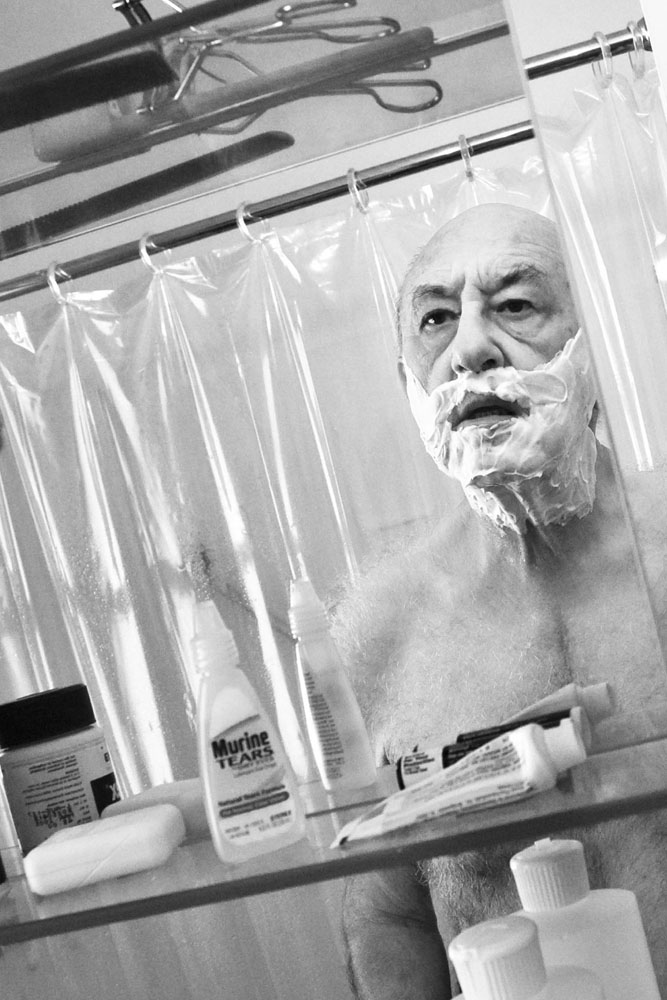
With greater frequency, my morning shave became less of an occasion to examine the vertical scar on my chest and to relive the metaphysic of survival. The recovery process had begun. Then one spring day, I opened the front door and walked out alone. At the end of the path I turned right and walked a few blocks to the park, in glorious, healing light.
______________________
“Raphael Shevelev provides an affecting entry point into the subjective world of the sick. . . But beyond – and through – his experience of this world, he conveys a certain hallucinatory optimism. His images are the record of all sorts of mental gymnastics and peregrinations even as his corporeal self was imprisoned in one place.”
James Martin Rehmus, M.D.
“Raphael Shevelev’s Light and Recovery is so elegantly written it matches the rich tonal range of that smooth, subtle and lovely black-and-white negative film Panatomic X -a large-format sheet of it that Raphael placed in his mind, exposed, and then carefully developed into thoughts on the page.”
Lonny Shavelson, M.D.
______________________